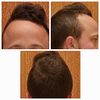
User discusses 4.5 months of using 0.5 DUT & 5 mg Oral Min for hair loss. They share progress pictures and discuss styling options and shedding experiences.
A user shared their 34-month update on using finasteride for hair loss, noting they maintained regrowth even after stopping minoxidil a year ago. Other users shared similar experiences and expressed admiration for the results.
The user experienced hair regrowth using finasteride for 1.5 years and minoxidil foam for 4 months, starting at age 17. They reported no side effects and noted that finasteride helped maintain existing hair while minoxidil contributed to regrowth.
A transwoman shared her 11-month progress using hormone replacement therapy (HRT), finasteride, and minoxidil, reporting significant hair regrowth and satisfaction with the results. The discussion included various perspectives on HRT, its effects on hair and sexual function, and personal experiences with similar treatments.
A 26-year-old man shared his positive results after 10 months of treating male pattern baldness using a regimen that includes Estradiol Enanthate, DHPA, Bicalutamide, Dutasteride, oral and topical Minoxidil, and a dermaroller. He experienced mild gynecomastia and reduced body hair as side effects but was satisfied with the outcome.
Pregnancy can temporarily reverse hair loss in women, but attempts to mimic pregnancy hormones with treatments like contraceptive pills, spironolactone, estradiol, progesterone, finasteride, and minoxidil have been ineffective. The discussion highlights the need for research into the hormonal mechanisms of pregnancy that affect hair regrowth.
The user experienced significant hair regrowth over two months using a regimen of daily minoxidil, daily finasteride, and weekly microneedling. They reported no major side effects, except for temporary watery loads, and emphasized the importance of consistency.
A user reported positive hair regrowth using finasteride and minoxidil for 2 months, noting thicker roots and improved appearance. The post led to skepticism and discussions on treatment methods and side effects.
The user switched from topical to oral finasteride and minoxidil pills for hair loss but hasn't seen results after 4 months. Others suggest it may take longer to see improvements and recommend considering additional treatments.
Hair loss treatments like finasteride and minoxidil take time to show results, often requiring 6-12 months for noticeable improvement, especially at the temples. Users suggest patience, as initial shedding is common, and full benefits may not be seen until a year of consistent use.
A 24-year-old reported new hair growth on temples after 3.5 months of using topical minoxidil without shedding. They plan to add finasteride to maintain progress, as minoxidil alone may not be enough long-term.
The user is pausing finasteride for blood donation and is concerned about its effect on DHT levels. They plan to supplement with saw palmetto and pumpkin seed oil during the pause.
A 28-year-old has been using oral dutasteride 0.5 mg, topical minoxidil 5%, and Cafune shampoo for 104 days with positive results and is considering adding microneedling. No side effects from dutasteride have been reported.
The user has been using 1 mg oral finasteride and 5% topical minoxidil inconsistently for 2.5 months and is satisfied with the progress. Other users commented on the progress, with some suggesting oral minoxidil as a more convenient option.
A female with PCOS and androgenetic alopecia is starting treatment with oral Minoxidil, topical Minoxidil 5% with finasteride, and plans to add mesotherapy. She previously tried anti-androgenic contraceptive pills but couldn't tolerate them and is using Myo Inositol for weight management.
The user started finasteride and minoxidil in December, increased the dosage after a few months, and noticed improvements around months 6 to 8 despite initial shedding. They experienced no side effects from finasteride but had to adjust minoxidil due to palpitations.
The user has been using finasteride (0.5mg), minoxidil (5% foam), dermarolling, and rosemary oil for 3 months, noticing baby hairs and some shedding. Advice given includes continuing the current treatment, considering additional treatments, and potentially increasing the finasteride dose.
A 42-year-old shares progress using finasteride and dutasteride for 9 months, with occasional minoxidil use, noticing results after a month. The user applied minoxidil consistently for 3 months, then sporadically once a week.
A 31-year-old individual started taking finasteride 24 days ago to address hair thinning and loss, which has worsened their mood and stress. They have not yet added minoxidil and are experiencing significant shedding, contributing to sleep issues and insecurity about their hairline.
The user has been using finasteride weekly for 3 years and regrew most of their hair. They are asking what to expect if they stop using it for 3 weeks.
The conversation is about a user who has been using finasteride for 2.4 years to stop hair loss and is considering adding minoxidil for regrowth. Many users suggest adding minoxidil to improve hair regrowth, while some discuss the cost and effectiveness of treatments.
A trans woman experiencing male pattern baldness has been using Minoxidil and microneedling for 3.5 months, noticing visible hair regrowth. Despite initial skepticism, progress is evident, though a hair transplant might be needed for fuller coverage.
The user is experiencing significant hair shedding despite 2 years on finasteride, 1.5 years on RU58841, and 10 months on oral minoxidil, and is frustrated with the ongoing issue. Another user shares a similar experience of losing a lot of hair daily for the last 3 years.
A 20-year-old shared progress on hair regrowth after 7.5 months of minoxidil and 2 months of finasteride, reporting no negative side effects and healthier hair. The user also improved their diet, stopped creatine, and experienced positive changes in hair and overall appearance.
Hair regrowth in transfems is more effective due to hormonal changes, specifically estrogen, which keeps hair in growth phase longer. Treatments mentioned include anti-androgens, sex hormones, and DHT blockers like finasteride.
The user experienced hair regrowth and improved hair quality using topical minoxidil on temples and oral finasteride daily. They also noted thicker eyebrows and some side effects like minor erectile dysfunction.
The user shared their 4-year hair regrowth progress using finasteride, minoxidil, estradiol, and spironolactone. They noted significant regrowth by the second year and additional benefits from estradiol and spironolactone.
The user is using oral minoxidil (5mg) and dutasteride (0.5mg) daily for hair regrowth. They noticed increased thickness in the crown area after starting these treatments.
The user has been using finasteride for 13 months and minoxidil for 2.5 years but continues to experience significant hair loss. Suggestions include switching to dutasteride and increasing the oral minoxidil dose to 5mg, while also considering lifestyle changes like diet and stress management.
The user experienced significant hair regrowth after using oral and topical minoxidil and finasteride for over three months. They reported minimal side effects, such as facial hair growth and minor bloating, and are optimistic about continued progress.