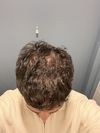
Concerns about the impact of hair loss treatments like finasteride on fertility and future children. The user is worried about reduced sperm count and quality due to lowered DHT levels.
The conversation discusses the potential effectiveness and risks of using topical finasteride for hair loss, with considerations about using DMSO as a vehicle for application. Concerns are raised about DMSO's safety, absorption issues, and the systemic effects of topical finasteride.
The post discusses a user's successful hair regrowth using finasteride, dutasteride, topical minoxidil, and estrogen over nine months. The user, who is male-to-female (mtf), reports significant regrowth and no side effects beyond typical hormone replacement therapy effects.
The conversation is about the safety of using hair loss products like Minoxidil and finasteride while trying to conceive and after birth. The user is seeking advice on whether these products are safe for the baby and if any men in similar situations can share their experiences.
The conversation discusses hair loss concerns, with suggestions to use finasteride (Fin) and minoxidil (Min) as treatments. Stress, creatine in protein shakes, and male pattern baldness are considered potential factors.
Hair loss is distressing, with treatments like finasteride, minoxidil, and spironolactone commonly used despite potential side effects. Emphasis is placed on maintaining mental health and self-worth beyond hair appearance.
The user experienced mental side effects from oral finasteride, such as brain fog and low mood, and switched to topical finasteride combined with minoxidil. They are monitoring mental clarity and hair progress after stopping oral finasteride.
A user is concerned about taking evening primrose oil alongside finasteride and minoxidil due to its potential effects on hormonal balance and DHT inhibition. They seek advice on whether to continue the supplement or if their worries are unfounded.
A 48-year-old man has been using minoxidil for 15 years and considered finasteride but stopped due to potential side effects. He is concerned about his mental health and the impact of hair loss on self-image, and he encourages support among men experiencing hair loss.
Oral minoxidil can cause serious heart issues like cardiac hypertrophy and arrhythmias, prompting some users to reduce dosage or switch to topical treatments. Despite significant hair regrowth, side effects such as shortness of breath and chest pains are common concerns.
The user is considering topical Saw Palmetto or Pumpkin Seed Oil due to sensitivity to finasteride and cost issues. They also use dermastamping for Minoxidil absorption and seek advice on timing to avoid systemic absorption.
The user is considering starting finasteride for hair loss prevention, expressing concerns about potential side effects like reduced libido and erectile dysfunction. They are currently taking saw palmetto, vitamin D, zinc, vitamin C, and biotin but are unsure if these will be effective.
Stopping finasteride increased sex drive and improved mood but caused hair shedding and scalp irritation. Users discussed balancing hair preservation with side effects, considering alternatives like topical finasteride and minoxidil.
Exercise improved minor side effects of finasteride, such as reduced ejaculatory volume and depression, and also helped with gyno. Running and push-ups were particularly effective, leading to increased ejaculatory volume and improved mental clarity.
Finasteride's impact on fertility is discussed, with users sharing experiences of conceiving while on the medication. Concerns about long-term safety are also mentioned.
Hair regrowth in transfems is more effective due to hormonal changes, specifically estrogen, which keeps hair in growth phase longer. Treatments mentioned include anti-androgens, sex hormones, and DHT blockers like finasteride.
A 26-year-old man shared his positive results after 10 months of treating male pattern baldness using a regimen that includes Estradiol Enanthate, DHPA, Bicalutamide, Dutasteride, oral and topical Minoxidil, and a dermaroller. He experienced mild gynecomastia and reduced body hair as side effects but was satisfied with the outcome.
A woman with androgenetic alopecia uses Dutasteride and Bicalutamide but feels devastated due to increased sensitivity to DHT. She considers wigs, Minoxidil, and seeks advice on options like spironolactone, hair transplants, and therapy.
Despite using finasteride, minoxidil, and RU58841, the user is experiencing slow hair loss, particularly at the hairline, and is considering additional treatments like microneedling and possibly switching to dutasteride. Concerns about medication side effects, such as reduced sperm count and performance anxiety, are also discussed.
User experienced feminizing side effects from finasteride and tried RU, alfatradiol, and finasteride without success. They are now considering treatments like Stemoxydine, Zix, Minoxidil, Dermarolling, Eucapil, and a hair transplant.
A 34-year-old woman has been using a topical solution of 5% Minoxidil and 0.1% Finasteride since January 2026 to address hair thinning caused by PCOS and poor nutrition. She reports ongoing hair shedding but has improved her diet with whole foods and supplements.
A 19-year-old is experiencing hair loss and has been using Rogaine for a month and finasteride for four days without improvement, while also experiencing testicular discomfort. They are concerned about losing hair density and potential DUPA, comparing their situation to their father's hair condition.
A 23-year-old male, experiencing hair loss since his teens, struggles with motivation to continue using minoxidil and dutasteride due to depression and stress. Suggestions include resuming medication, therapy, improving mental well-being, and considering lifestyle changes like exercise and social support.
The user switched from finasteride to dutasteride while on TRT to protect against hair loss but is experiencing thinning hair. They are unsure if the issue is due to dutasteride or TRT.
Hair loss and the importance of not letting it affect one's self-worth. The conversation includes advice on treatments such as taking medication, like Minoxidil and Finasteride, and other methods to manage hairloss, such as buzzing your head or seeking professional help.
Diffuse hair loss is often linked to genetics but can also be due to health issues like thyroid problems and low vitamin or iron levels. Treatments include finasteride, minoxidil, and dutasteride, with some seeing improvements after addressing health issues.
Minoxidil is discussed as a hair loss treatment, with concerns about potential eye issues. Some users express skepticism about these claims, while others emphasize the long-standing use of Minoxidil.
Some people have side effects from finasteride and dutasteride due to hormonal predisposition, especially if DHT dominant. Alternatives like RU58841, Pyrilutamide, and Breezula are suggested to target scalp androgen receptors without altering overall hormones.
An 18-year-old male has been using finasteride, minoxidil, and tretinoin to combat hair loss, experiencing side effects like higher libido and watery semen. He advises others to start with finasteride, avoid natural remedies, and maintain a healthy lifestyle for better hair health.
The user has been taking 0.5 finasteride for 10 months and wants to repeat blood tests, including estradiol. However, their doctor is reluctant to test estradiol, arguing it's typically low in men, and the user is considering seeking a second opinion.