Search
for
Sort by
Community Join
330-360 / 1000+ resultscommunity Topical melatonin shows some promise.
community Efficacy of Topical Cetirizine 1% in Treatment of Androgenic Alopecia: Clinical and Dermoscopic Evaluation
Cetirizine 1% cream significantly improves hair growth and thickness in men with androgenic alopecia. It is considered effective, affordable, and has a low side effect profile.
community Is it ok to supplement spearmint?
The conversation discusses the potential effects of spearmint on acne and male pattern baldness (MPB). Concerns are raised about spearmint's androgen-suppressing effects and its suitability for men.
community I am fed up, tired and really need your opinion/help.
A person experiencing hair loss is using finasteride and considering minoxidil but is worried about side effects like heart palpitations. They seek advice on continuing minoxidil, trying alternatives like microneedling, or considering a hair transplant.
community There's parabens in my Minoxidil, how bad is that?
Parabens in Minoxidil are a concern for some users due to potential health risks. The conversation discusses the presence of methylparaben and propylparaben in a specific Minoxidil brand, Ylox.
community Hydrocortisone cream
A 30-year-old male with thinning hair and an itchy, oily scalp found that hydrocortisone cream eliminated dandruff and itching and seemed to thicken his hair. He avoided minoxidil and finasteride due to potential side effects and noted that Nizoral and Head & Shoulders worsened his symptoms.
community Persistent Genital Itching on Finasteride Despite Clotrimazole Treatment
The user experienced genital itching while using finasteride and noticed a yellow bump, which improved with clotrimazole, but the itching persists. The discussion focuses on side effects of finasteride.
community Finasteride completely stopped itching on my scalp
Finasteride stopped scalp itching and improved hair health, likely due to reduced DHT. Users discussed the relationship between DHT, itching, and hair loss, with some mentioning minoxidil and antifungal treatments like ketoconazole.
community Personal Anecdote: Be careful with oral min, it can have a bad impact on your skin
Oral minoxidil can cause skin issues like redness and bumps. The user saw no hair improvement with oral minoxidil but noticed increased facial hair.
community Got my DHT results. Advice?
community Massive Shedding and Itchy Scalp (Fin 1mg 4x/week, Dut 0.5mg 3x/week, Minoxidil 1ml 2x/day)—Seeking Advice
The user experienced significant hair shedding and an itchy scalp after using a combination of Finasteride, Dutasteride, and Minoxidil. They are seeking advice on whether Dutasteride might be causing these issues and are considering adjusting their treatment regimen.
community Anyone else get their hormone levels checked on dutasteride?
Dutasteride effectively reduces DHT levels and significantly increases testosterone levels. Users are cautious about adding oral minoxidil due to potential heart issues and are considering dosage adjustments with medical guidance.
community Any good place to get Minichek 5 or similarly inexpensive PG-free min?
A user is seeking recommendations for purchasing Minichek 5% solution, a PG-free minoxidil, due to a contact allergy to propylene glycol. They are looking for an affordable option comparable in price to Kirkland or Amazon brand minoxidil.
community No sides with Ru58841 mixed with stemoxydine, yet sides mixed with fluridil
User mixed RU58841 with stemoxydine, experienced no side effects. Mixing RU58841 with fluridil caused chest tightness.
community I want to say sorry about my fear mongering about dutasteride in this community.
community Scalp itching and tickeling- what's does it mean?
User experienced scalp itching and hair loss, but found relief with oral minoxidil. Others suggest "DHT itch" as a possible cause and recommend finasteride and ketoconazole to address it.
community Question about RU58841 in minoxidil
The user is considering adding RU58841 to liquid minoxidil without propylene glycol (PG) due to an allergy and is asking if this combination is effective and if PG is necessary. They have been using finasteride and minoxidil foam, plan to use RU58841 with liquid minoxidil in the evening, and continue finasteride.
community can we add minoxidil sulfate to the mesotherapy with dutasterid
The conversation discusses the possibility and safety of adding minoxidil sulfate to mesotherapy with dutasteride. Users are inquiring if anyone has tried this combination.
community Source for sterile dutasteride for mesotherapy?
The conversation is about finding a source for sterile dutasteride for mesotherapy to avoid side effects from oral 5AR blockers. The user is currently using microneedling and 0.01% topical dutasteride and plans to use transplants.
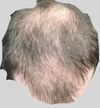
community 25M I need help
The user has been using oral finasteride and minoxidil for hair loss but is considering switching back to topical minoxidil due to persistent scalp issues. Another user suggests an anti-inflammation regimen and oral dutasteride.
community Just got my bloodwork done, should I worry?
The conversation discusses concerns about potential side effects, specifically gynecomastia, from taking 1mg of finasteride every other day for hair loss. Bloodwork results were shared, but more information was requested to provide advice.
community After praising finasteride on this sub for a while I realised it gave me Brain Fog. I think its related to inhibiting GABA and interferring with mirtazapine (an antidepressant).
community Cats and minoxidil solutions, experiences?
Minoxidil is highly toxic to cats, and users are advised to avoid using it if they have cats, or to take extreme precautions if they do. Some users suggest using oral minoxidil instead, but it may not be available in all countries.
community We Need A Solution For The Inflammatory Response related To AGA
The conversation is about finding a solution for scalp inflammation related to AGA, with the user expressing frustration that Minoxidil and Finasteride do not address inflammation. The user has researched glucocorticoids and topical NSAIDs for reducing inflammation and seeks advice from specialists.
community Finasteride and manjuice: is yours watery?
A user has been taking finasteride for 7 months and is experiencing watery semen as the only side effect. They are considering taking zinc supplements to improve this condition.
community Does RU58841 potentially cause cancer?
RU58841 may pose cancer risks due to its antiandrogen properties and lack of long-term safety data. Using it is considered a high-risk experiment with unknown potential for harm.
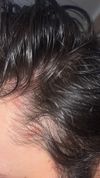
community Recent Scalp Itching and Redness, Using Tea Tree/Rosemary Oil, Advice?
The user is experiencing scalp irritation and hair thinning, possibly due to stress, with red patches on the face and dry skin. They are considering seeing a dermatologist and have used tea tree and rosemary oil.
community Experiencing Breast Tenderness on 3 Weeks Oral Fin, Will It Improve?
The user is experiencing breast tenderness and lumps after three weeks on 0.5 mg oral finasteride, a common side effect. They also report mild brain fog and fatigue but are less concerned about these symptoms.
community Minoxidil causes eye issues as per this article
Minoxidil is discussed as a hair loss treatment, with concerns about potential eye issues. Some users express skepticism about these claims, while others emphasize the long-standing use of Minoxidil.