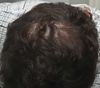
The user recently started topical dutasteride and microneedling, and has been using RU58841 and Minoxidil for 16 months. They are curious if small black dots at their hairline indicate hair regrowth.
The user is experiencing increased hair miniaturization despite using oral minoxidil, dutasteride, and microneedling. They are considering reintroducing finasteride and adjusting dutasteride dosage.
The user is considering continuing minoxidil and microneedling, possibly adding low-dose topical finasteride, and undergoing a large FUE hair transplant to improve hair appearance. They plan to use hair fibers for added density, aiming for a convincing cosmetic look rather than full density.
Stem cell hair transplants use stem cells from fat tissue to reactivate inactive hair follicles, but results are inconsistent and not widely shared. Traditional treatments like finasteride and minoxidil often show better results.
Microneedling can promote hair growth, but there is uncertainty about the best practices, including needle length, device, and session frequency. Users discuss using needle lengths between 0.5mm and 1.5mm, with some experiencing pinpoint bleeding, and emphasize the need for more reliable resources and guidelines.
New hair loss treatments include Breezula, PP405, ET-02, KX-826, GT20029, VDPHL01, and CosmeRNA, with some showing promise in reactivating stem cells and reversing greying. Breezula and VDPHL01 are highlighted as potential add-ons or alternatives to current treatments like finasteride and minoxidil.
A 42-year-old user shared a 4-month update on their hair regrowth using a "nuclear stack" including oral and topical minoxidil, dutasteride, RU58841, micro-needling, keto shampoo, saw palmetto, biotin, multivitamins, scalp massages, and inversion table. They reported significant progress with minimal side effects and plan to continue the routine.
The conversation is optimistic about future hair loss treatments, highlighting Veradermics, Breezula, and PP405 as promising options expected by 2027-2028. The user expresses hope that these developments will prevent future generations from experiencing the same struggles with hair loss.
The user experienced significant hair regrowth using dutasteride 0.5 mg daily, 5% topical minoxidil twice a day, and microneedling over several months. They also used ketoconazole shampoo and rosemary oil, reporting some side effects but overall positive results.
The conversation discusses hair thinning potentially caused by seborrheic dermatitis, with the user considering over-the-counter treatments like Head and Shoulders, Selsun Blue, and Nizoral, while maintaining keratin-treated hair. A suggestion is made to use raw organic honey as a hair mask to treat seborrheic dermatitis without affecting keratin treatments.
The conversation discusses the effectiveness of finasteride and microneedling for treating hair loss. The linked article is seen as an advertisement for these treatments.
A user was prescribed betamethasone dipropionate spray for a receding hairline, which caused skin peeling and depigmentation. They stopped using it and are considering alternatives like BPC-157/TB-500 for healing.
The conversation discusses the potential of a new hair loss treatment, GT20029, which may prevent hair loss by destroying androgen receptors on the scalp. Users express hope for the treatment's success and speculate on its usage routine, effectiveness, and possible side effects.
The user changed their hair loss treatment in October/November, experienced increased shedding, and now sees no new hair growth, with a worsening condition and a possible bald spot. They also have severe seborrheic dermatitis, which may be affecting their scalp and hair loss.
Microneedling at depths greater than 0.6 mm may damage miniaturized hair follicles, with 0.5 mm showing better results for hair regrowth. Combining microneedling with minoxidil enhances absorption, but caution is advised to avoid damaging follicles.
The user reports noticeable hair regrowth along the hairline and scalp after using finasteride 1.25mg daily, minoxidil 5% twice daily, and biweekly dermarolling and dermastamping since July 2025. They mention experiencing occasional low energy, possibly due to finasteride or shorter winter days.
Microneedling for hair loss, discussing whether to continue after achieving desired results. Concerns about scalp inflammation and advice to research further are mentioned.
A 36-year-old is experiencing underwhelming results from derma stamping for hair thinning, using needle lengths of 0.5mm to 0.75mm. They are considering increasing needle length, taking a break, or pairing the treatment with rosemary oil.
Microneedling combined with minoxidil and finasteride shows significant hair regrowth, though opinions on its effectiveness vary. Some users report substantial benefits, while others highlight the need for more research and consistency in application.
Dermastamps are preferred over dermarollers for microneedling due to precision and reduced risk of scarring. Dermastamps allow for controlled, vertical needle entry, while dermarollers may cause more damage with sideways needle entry.
A 25-year-old male is experiencing hair thinning at the hairline and vertex, considering using a dermapen or dermastamp, and seeking advice on whether to continue with natural remedies like onion juice and rosemary oil or start using minoxidil or finasteride. He is also looking for recommendations on microneedling devices.
Hair follicle cloning is claimed to be possible but not widely available due to potential safety issues, such as cancer risks. Current treatments like finasteride and dutasteride are not effective for everyone, and there is frustration over limited access to these medications.
Microneedling combined with minoxidil is more effective for hair growth than microneedling alone. Optimal results are seen with weekly microneedling using 0.5 - 1mm needles and regular minoxidil application, avoiding minoxidil on the needled area for 24 hours.
A new topical treatment, TH07, combining finasteride, latanoprost, and minoxidil, is entering phase III trials with promising early results. Some users express skepticism, noting the treatment uses existing products.
The user shared progress pictures showing improvement in hair growth after one year of using finasteride and minoxidil. They are considering microneedling to further improve their hairline and have chosen to use a derma stamp.
Melatonin's effect on aromatase expression is unclear, with studies showing both increases and decreases. Hormonal impacts are complex and inconsistent, similar to changing health advice on other substances.
The user experienced hair repigmentation and attributes improvements in hair and overall health to a carnivore diet, Boron, and Selenium supplementation. They stopped using finasteride after 20 years, noticed increased testosterone and libido, and observed hair regrowth with RU58841.
The user is experiencing hair regrowth using 1mg oral finasteride daily, Minoxidil foam twice a day, and microneedling weekly with a 1.5mm needle. They are seeking feedback and suggestions to optimize their hair regrowth.