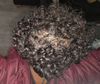
Switching from 1mg to 5mg finasteride cut into four pieces led to increased hair shedding, from 3 hairs to 10-30 hairs a day. The user also takes multivitamins, biotin, and fish oil.
The conversation is about a person considering participating in a study for Clascoterone, a topical cream for hair loss, and seeking advice on potential side effects. They have mild hair loss and are not currently using other treatments like finasteride.
Topical finasteride is currently more effective than pyrilutamide for hair loss. Combining treatments like topical finasteride and pyrilutamide may enhance results due to different mechanisms.
The user used microneedling, zinc, vitamin D3, biotin, magnesium, saw palmetto, pumpkin seed oil, and a DHT-blocker shampoo with biotin for hair loss. They are considering adding minoxidil due to stagnation in progress.
Significant hair improvement was achieved using 3mg Minoxidil and 1.2mg Finasteride over six months, with no side effects, leading to reconsideration of a hair transplant. A detailed skincare routine, including tretinoin and SPF, also improved skin appearance.
A user shared progress pictures after using 1mg Finasteride daily, 5% Minoxidil twice daily, Nizoral Shampoo, and weekly microneedling at 1.5mm depth for two months, reporting no side effects and discussing their routine and supplements. Commenters reacted positively, with one advising caution with creatine and another endorsing the benefits of microneedling.
A user beginning to take Pyrilutamide as a treatment for their hair loss, and other users sharing their experiences with the drug or similar treatments such as Minoxidil, Finasteride, and RU58841.
A 28-year-old is experiencing hair loss despite using treatments like oral minoxidil, finasteride, and high-dose dutasteride (2.5 mg). They suspect lichen planus might be contributing to the issue and plan to continue treatment while monitoring progress.
The conversation discusses using green tea, saw palmetto, horsetail, and zinc supplements for hair regrowth. One user criticizes the avoidance of finasteride.
The user is starting Dutasteride mesotherapy and seeks advice on whether to apply the solution immediately after microneedling or wait 12-24 hours. They couldn't find instructions for first-timers.
The user switched from Forhims to Numan topical treatment for hair loss, which includes finasteride, minoxidil, and azelaic acid, and is questioning the effectiveness of azelaic acid in the formula. They also mentioned that Numan has a higher concentration of minoxidil compared to their previous product.
A user is experiencing severe dandruff and hair loss, considering using ketoconazole shampoo 2% to manage these issues. They seek advice on application frequency and effectiveness, with suggestions to use it 2-3 times a week and to consider other treatments like finasteride for hair loss.
A topical treatment called 1961, containing multiple products, is discussed for its compatibility with finasteride. It is suggested that 1961 does not negatively affect finasteride's effectiveness and may even enhance its absorption.
Cialis is used to manage erectile dysfunction caused by finasteride and dutasteride, with mixed results. Some users report improvement, while others consider stopping the medication due to side effects.
User took 1mg oral finasteride daily and topical minoxidil twice a day for 6 months, showing hair growth progress. Others discussed dosage and shared positive feedback on results.
The conversation discusses switching from oral to topical finasteride due to side effects like nipple soreness. The user seeks advice on diluting and applying topical finasteride to minimize adverse effects.
User explores no-finasteride hair loss treatments, considering compounds like Minoxidil, Eucapil, Alfatradiol, Stemoxydeine, Azelaic Acid, Retinol, and Ketoconazole Shampoo. They ask about mixing compounds, application schedules, and potential side effects.
A 46-year-old male shared his 3-week progress using HIMS serum with Finasteride 0.3% and Minoxidil 6%, showing improvement without noticeable shedding. His routine includes vitamins, a healthy diet, and specific hair care practices like microneedling and using caffeine solution.
The user is using ketoconazole shampoo, 5% minoxidil, and microneedling for hair loss treatment. It's suggested that adding a DHT suppressant like finasteride could improve results.
User jeperscrepers shared their six-month hair loss treatment routine, which includes 1mg finasteride daily, Costco brand Minoxidil foam twice a day, Nizoral shampoo, dermapen with Derminator II monthly, and various supplements. They reported significant hair regrowth and reduced thinning.
The user underwent a biopsy two years ago and was diagnosed with keratosis pilaris, leading to hair issues. They tried treatments including Minoxidil, betamethasone, lymecycline, topical Accutane, and dutasteride, as well as diet changes, without improvement in hair thickness or skin dryness.
A 23-year-old male with slight hair thinning is using ketoconazole shampoo, biotin, zinc, magnesium, D3/K2, and has just started topical finasteride (0.0125%). He plans to add minoxidil (4.5%) with 17α-estradiol and is seeking advice on the effectiveness and side effects of these treatments, as well as the use of a dermaroller.
The conversation discusses using topical serenoa oil, a natural anti-DHT treatment, for hair loss. It is considered less effective than finasteride and dutasteride but can be added to a routine with topical minoxidil.
The user is experiencing hair loss and is considering using topical minoxidil and finasteride due to concerns about liver health, specifically elevated ALT levels from fatty liver. They are advised to start with topical treatments while continuing weight loss and dietary changes to improve liver function.
The conversation discusses treating male pattern baldness with topical products containing Saw Palmetto extract. Specific treatments mentioned include Minoxidil, Finasteride, and RU58841.
The user successfully reduced hair loss using pumpkin seed oil, Nizoral shampoo, and astaxanthin without using minoxidil or finasteride. They observed significant improvement over 12 months and believe the combination of treatments is effective.
The user is considering switching to topical finasteride or pyrilutamide to stabilize hair loss before a hair transplant, currently using oral minoxidil and finasteride. Suggestions include sticking to the current regimen as it is already potent, and caution against using pyrilutamide from unreliable sources.
The user seeks alternatives to Propylene Glycol (PG) for delivering topical finasteride due to scalp irritation. They consider using Propanediol 1,3 and ask for other suggestions.
PCOS female visited doctor for hair loss concerns, prescribed spironolactone and minox 5%. Doctor advised against finasteride or dutasteride, user considering self-medication with dutasteride.