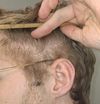
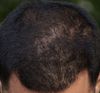
User noticed receding temples, used minoxidil and microneedling with positive results. Added saw palmetto and eucapil, experienced shedding and thinner hairline, but no side effects.
A 28-year-old male experiencing diffuse thinning and miniaturization around the ears and back has tried finasteride, dutasteride, and both topical and oral minoxidil without success. He is seeking advice on identifying the type of hair loss and next steps since current treatments are ineffective.
The user experienced significant hair thickening and temple hair growth after one year of using finasteride, minoxidil, and weekly dermarolling. They are considering asking their dermatologist about dutasteride.
The user is using 5% minoxidil, 1mg finasteride, and a 1.5mm dermaroller 1-2 times a week for hair growth, noting improved growth speed and density. They avoid applying minoxidil immediately after dermarolling due to skin irritation.
A user is experiencing temple hair recession and is seeking alternatives to finasteride. They are considering castor oil, coconut oil, and derma rolling, and have seen some improvement with Zenegen.
A 22-year-old male experienced significant hair regrowth after 4 months using minoxidil, finasteride, and dermarolling. He reported initial mild testicular pain but no other side effects, and he uses a 1mm and 0.5mm dermaroller.
A 28-year-old is experiencing early signs of balding and is using a routine that includes oral minoxidil, topical dutasteride, microneedling, and ketoconazole shampoo. They are seeking advice on the effectiveness of oral minoxidil with microneedling and the reliability of their product sources.
A 3-month update on a microneedling-only project to treat hair loss, which has not had significant results in terms of thicker hair but may have seen some acceleration in hair growth and an increase in vellus hairs. The user plans to continue the journey for 6 months before making any changes, such as adding minoxidil or finasteride.
The conversation discusses hair loss treatments, specifically using topical finasteride and minoxidil combined with microneedling, along with supplements like collagen, vitamin C/D, and saw palmetto. The user also mentions using a DHT-blocking shampoo and experimenting with cold showers and contrast therapy for hair health.
The conversation discusses hair loss treatments, specifically using finasteride, minoxidil, and microneedling. Recommendations for durable microneedling tools include the Derminator 2 and Dr. Pen.
A 34-year-old started using a combination of topical finasteride/minoxidil and dermastamping to treat hair loss, noticing some shedding but remains optimistic about hair regrowth. They experienced minimal side effects, with only temporary watery semen.
Derma-stamping can damage the scalp if done incorrectly; use 0.5-1.5 mm needles and avoid pressing too hard. It can enhance Minoxidil absorption when done weekly, with results visible in 3 to 6 months.
Dutasteride mesotherapy is discussed as a hair loss treatment, with opinions on its effectiveness compared to oral dutasteride. The treatment is noted for being expensive, potentially painful, and more popular in Europe, with some users questioning its advantages over traditional methods.
The user regrew their hairline using mechanical stimulation, including a 1.5mm derma roller weekly, daily scalp massages, and other treatments like Nizoral, zinc pyrithione, fish oil, and Lipogaine The Big 5. They did not use Minoxidil or finasteride.
The user experienced hairline improvement using microneedling once a month with a 12-pin set at 1.5-2.0mm and taking Tru Niagen, alongside a heavily modified diet. They attribute the slow hairline improvement to environmental factors, particularly diet, rather than solely genetic factors.
A 35 year old male who has seen good results from Finasteride and microneedling, with minimal side effects. Replies to the post ask about the device used for microneedling, discuss the progress made, and offer encouragement.
Tretinoin and microneedling both enhance hair growth through different mechanisms, with microneedling being considered safe for long-term use. Optimal microneedling needle length varies, but 0.8 mm is suggested for hair growth, and a Dermastamp is recommended to avoid skin damage.
The conversation discusses the tension theory of baldness, suggesting that over-developed masseter muscles may harm hair follicles. Botox injections to relax these muscles reportedly led to an 18% increase in hair count in men with AGA.
A user's success in hair regrowth after taking oral and topical medications, such as minoxidil and dutasteride, and using microneedling. Other users shared their experiences and advice with treatments used to reverse hair loss.
User discusses verteporfin for hair regrowth through "super microneedling" and preventing scarring. They mention a case of an old man regrowing hair after a head injury and suggest verteporfin could recreate this result.
A product called HairMDL includes Minoxidil, Dutasteride, Latanoprost, caffeine, Tretinoin, and Triamcinolone. Users are curious about its effectiveness and safety, particularly regarding the topical steroid Triamcinolone.
Hair follicles are mostly dormant but can be reactivated with treatments like minoxidil, finasteride, and microneedling. A new drug, PP405, shows promise for hair regrowth but may not be available until 2027-2028.
Hair regrowth treatments, including stem cell injections, are discussed, with skepticism about their effectiveness compared to Minoxidil and finasteride. Derma stamping is mentioned as effective when used with Minoxidil, finasteride, and dutasteride.
Microneedling may help regrow hair in dormant bald regions by stimulating stem cell transfer. Users discuss its effectiveness and how collagen might aid in the process.
Scalp micropigmentation (SMP) is a debated hair loss solution, with some praising its natural look and low maintenance, while others criticize it for looking unnatural and being a temporary fix. Many prefer traditional hair restoration methods like hair transplants or medications such as finasteride and minoxidil.
Significant hair regrowth was achieved using Minoxidil, Dutasteride, and derma stamping. The user noted improved hair quality and thickness with no side effects.
The user is using a routine involving microneedling, Minoxidil with tretinoin, a red light cap, scalp massages, Nizoral shampoo, and essence oil shampoo to address hair loss, with visible progress noted. They are considering topical finasteride or dutasteride if progress slows but are cautious due to past side effects.
The conversation discusses struggles with diffuse thinning and hair loss treatments, including the use of dutasteride, minoxidil, and finasteride, with limited success. The original poster regrets having a hair transplant at 21 due to weak donor hair and ongoing thinning.
The user is experiencing a strange hair loss pattern despite using dutasteride for 3 years and minoxidil with tretinoin for 1.5 years. They recently added microneedling and are considering a scalp biopsy to understand the cause.
A 31-year-old has been using finasteride, dutasteride, and oral minoxidil for hair loss. They noticed a sudden triangular thinning patch on their scalp and are seeking advice, questioning if it could be medication-related.