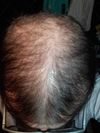
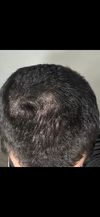
The conversation is about a female experiencing hair loss and seeking advice on why it's difficult to regrow hair. Specific treatments like Minoxidil, finasteride, or RU58841 are not mentioned.
A 30-year-old is seeking advice on hair loss treatment, currently using oral minoxidil, finasteride, mesotherapy, and a supplement. They are experiencing shedding and are anxious about the effectiveness of the treatment, asking if they should continue or consider other options like topicals or microneedling.
The conversation is about a user's 3-month hair regrowth progress using finasteride, minoxidil, and a 0.5mm dermaroller, with recent addition of caffeine shampoo. Users are responding positively and inquiring about application methods.
A user shared their positive experience and results 10 months after a hair transplant at Mercure Istanbul Clinics, using 3000 grafts. They expressed satisfaction with both the outcome and the clinic's service.
The conversation discusses using topical dutasteride with a dermapen for hair loss treatment. The user is deciding between liposomal and mesosomal formulations for this purpose.
A user shared their 6-month progress using daily oral dutasteride and minoxidil, along with monthly mesotherapy including zinc, dutasteride, minoxidil, biotin, and panthenol, reporting no noticeable side effects. Encouragement was given to continue despite potential hair shedding.
The user experienced initial success with topical minoxidil and dutasteride mesotherapy but is now losing more hair and unsure if it's due to shedding or ineffective treatment. They are considering whether to try a different approach.
The conversation discusses the theory that scalp fibrosis contributes to male pattern baldness (MPB) by increasing DHT concentration, and mentions treatments like Minoxidil. The user seeks opinions on the theory and the effectiveness of scalp massages.
A 24-year-old is experiencing aggressive hair shedding despite past success with mesotherapy and minoxidil, and is considering adding treatments like Expecia, dermapen, or a hair transplant. Many suggest using finasteride to maintain hair, as it is necessary even after a transplant, and side effects are rare and reversible.
Using a dermaroller can enhance hair regrowth, especially when combined with minoxidil, and is recommended at depths of 0.75-1.5mm weekly. Microneedling boosts absorption and blood flow, and red light therapy is also being considered for hair growth.
The post discusses a phase 2 trial for HMI-115, a hair loss treatment, in China, specifically seeking volunteers aged 18-65 with Norwood 3 vertex, 4, and 5 hair loss. The conversation includes questions about the specific recruitment criteria and how to volunteer.
PP405's phase 2a trial results were presented, focusing on safety and pharmacokinetics, with a future meeting planned to share the full dataset. The trial includes a randomized controlled portion and an open-label extension, with no indication of phase 2B completion.
A 19-year-old male switched from finasteride and minoxidil to dutasteride due to continued hair thinning and is experiencing increased nipple sensitivity and a small lump, raising concerns about gynecomastia. Suggestions include slowing the transition, checking hormone levels, and considering an aromatase inhibitor.
A person transitioning is using 2mg sublingual estradiol and 2.5mg oral minoxidil daily for hair regrowth, noting significant progress in three months. They plan to increase estrogen dosage and consider adding dutasteride, discussing the effects and challenges of transitioning.
A user is considering dutasteride mesotherapy for hair loss due to concerns about oral side effects from high DHT levels. They have been using topical finasteride with minoxidil but are exploring mesotherapy as an alternative, while another user shares their experience with mesotherapy sessions using dutasteride and minoxidil without side effects.
A 34-year-old male shares his 4-month progress using Minoxidil 5%, Finasteride 0.2% liquid, Tretinoin 0.01% liquid, and a dermaroller once a week for hair regrowth, reporting no side effects and noticing baby hairs on the crown. He prefers topical treatments over oral Finasteride and is optimistic about further progress.
Microneedling with needle lengths of 1.5mm to 2.5mm to stimulate hair follicle stem cells for potential hair growth. Using needles longer than 2.5mm is not recommended due to risk of puncturing veins in the scalp. A dermastamp is suggested over a roller.
A 31-year-old male shared his 4.5-month progress using finasteride, topical minoxidil, and dutasteride mesotherapy for hair loss, showing significant improvement in crown density and overall hair texture. He reported no side effects and plans to continue the treatment to assess further results.
A user is planning to use mesotherapy with 0.025% dutasteride for hair maintenance due to intolerance to finasteride. They seek clinics in Northern Germany, Sweden, or nearby countries for dutasteride scalp injections.
The conversation is about trying dutasteride mesotherapy for hair loss, with concerns about its effectiveness and potential side effects compared to finasteride. The user is considering this treatment available in California.
The user is exploring hair loss treatments in China, currently using finasteride and minoxidil, and is concerned about seborrheic dermatitis. Clinics are recommending selenium sulfide, doxycycline, and mesotherapy ampoules like PT88/PT66 or SP88/SP66, but the user is unsure about their effectiveness.
A 42-year-old had 2,100 grafts transplanted to the frontal third of the scalp, using treatments like Dutasteride, oral Minoxidil, ketoconazole shampoo, dermarolling, and PRP. They plan to add RU58841 and have scheduled SMP to improve cosmetic results.
The conversation discusses potential causes of pigmentation around hair follicles, suggesting sebum buildup, autoimmune conditions, or dermatitis. Treatments mentioned include finasteride, dutasteride, and an anti-inflammatory diet, with a recommendation to consult a doctor for a proper diagnosis.
A 17-year-old is frustrated with hair thinning and receding temples, seeking advice after a dermatologist dismissed concerns. Suggestions include starting Minoxidil for regrowth and considering Finasteride if androgenetic alopecia is suspected.
A 33-year-old man experienced diffuse thinning and hair shedding due to sleep deprivation and low testosterone. After starting hCG treatment, he noticed hair regrowth on his temples.
The user's hair appears to have improved, looking thicker and healthier, especially around the temples, after using topical minoxidil, finasteride, dutasteride, and tretinoin. Most participants agree the last picture shows significant improvement, though one disagrees.
A 16-year-old female experiencing severe hair loss and sebum buildup, likely due to telogen effluvium and PCOS, is currently using vitamin D3 supplements, Redenser serum, and T follihair supplements. Recommendations include addressing PCOS first and consulting a doctor.
Microneedling should target depths of 0.5mm to 1.5mm for hair loss, with weekly sessions at 1mm recommended. Combining microneedling with Minoxidil is common for improved results.
Clascoterone 5% topical solution shows promise for treating male-pattern hair loss by blocking DHT at the follicle without systemic absorption, potentially offering fewer side effects than oral treatments like finasteride. While results are promising, long-term safety and effectiveness need further study, and it may serve as a starting point for developing more effective treatments.
A user's experience using topical finasteride and melatonin to regrow hair, as well as their use of dermaroller versus dr. Pen for microneedling. People discussed the benefits of oral minoxidil and questioned if melatonin could help with hair regrowth.