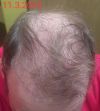
Finasteride may help users look younger by suppressing DHT, affecting skin and hair. Users also emphasize skincare, sunscreen, and lifestyle for maintaining a youthful appearance.
Finasteride and dutasteride have potential risks, including post-finasteride syndrome, but are commonly used for hair loss. RU58841, minoxidil, and needling are suggested as alternatives, though all treatments carry risks.
The user replaced finasteride with saw palmetto due to availability issues and experienced side effects, leading to adjustments in their regimen. They use saw palmetto, minoxidil, Nizoral, and a dermaroller, reporting reduced side effects and some benefits, with hair fall ranging from 5 to 20 hairs daily.
Finasteride can cause dry eyes and vision issues due to its impact on the meibomian glands. Users have mixed experiences, with some experiencing eye discomfort and others having no side effects.
Switching from finasteride to dutasteride can cause hair shedding, with mixed results; some see improvement, others see worsening. Using both treatments together initially may help reduce shedding.
A 15-year-old experiencing hair loss and anxiety is using minoxidil and microneedling but is advised against starting finasteride or dutasteride due to age. The discussion emphasizes consulting a doctor, considering hormonal evaluations, and exploring non-medication coping strategies.
The user experienced significant hair regrowth after one year of using finasteride, minoxidil, and Nizoral shampoo, with no side effects reported. They noted improved social interactions and emphasized the importance of consistency in treatment.
Creatine is reported by many to increase hair loss, though no scientific evidence supports this. Some use finasteride and minoxidil to manage hair loss, while others avoid creatine due to personal experiences.
The conversation is about a user's experience with finasteride not improving their hair loss and considering dutasteride as a last resort. Some users believe the user's hair appears stabilized, while others suggest surgery or patience, and one mentions heart issues as a reason for not using minoxidil.
The conversation discusses a user's three-month progress using topical finasteride once a day, 6% minoxidil at night, and weekly dermastamping at 1.25mm for hair loss. Commenters note the impressive results and discuss application methods and safety precautions for family members.
A user is considering a long-term hair loss treatment stack including Dutasteride, Finasteride, and oral Minoxidil, and is concerned about potential liver damage. Some responses suggest the stack is excessive, while others believe it's not harmful to the liver, but recommend regular blood work to monitor health.
Despite using 5% minoxidil, 0.1% finasteride, and other treatments like microneedling, MK-677, and Cialis, hair loss continues with high testosterone and DHT levels. Considering oral dutasteride but concerned about further increasing testosterone levels.
A user has been using minoxidil for hair loss and has seen positive results, but is seeking additional treatments to enhance its effects. One suggestion given is to use finasteride alongside minoxidil.
A user reported that Minoxidil, a hair growth treatment, stopped working for them despite initial success. Other users suggested not taking breaks from the treatment, checking for fake products, trying microneedling, using oral Minoxidil, combining Minoxidil with tretinoin, and using finasteride.
The user, Salt_Ad6339, shares their positive experience with hair regrowth after using minoxidil and finasteride for a year, along with microneedling. However, they also mention experiencing chest/nipple pain and suspect it may be a side effect of finasteride. They decide to stop using it for now and see if minoxidil alone can maintain their hair. Other users in the conversation discuss the potential side effects of finasteride and suggest using an aromatase inhibitor to counteract them.
An update on the use of Pyrilutamide, a new drug for hair loss, which has resulted in no shedding or testicle ache; other users have questioned the science behind this and shared their own experiences with Finasteride, Minoxidil, and microneedling.
Rejuv-3X, a topical blend with GHK-Cu, AHK-Cu, and JXL-089, is used for hair loss, offering a targeted option without finasteride's side effects. The user plans to combine it with microneedling for enhanced results.
Hair follicle stem cells remain in bald individuals, but progenitor cells do not, raising questions about hair regrowth claims by Pelage. PP405 is discussed as a potential treatment, with skepticism about its effectiveness compared to existing treatments like Minoxidil and Finasteride.
Minoxidil can effectively promote hair regrowth with consistent use, but results differ among individuals. Some recommend combining it with finasteride for better long-term results, though OP chooses to use only minoxidil and accepts the possibility of going bald.
Stopping finasteride and minoxidil can cause significant hair shedding, so they should be continued indefinitely. Concerns about finasteride affecting fertility or causing birth defects are mostly unfounded, but some stop for personal reasons.
The user regrets stopping finasteride and minoxidil due to side effects but plans to resume treatment. They consider using finasteride every other day and continuing topical minoxidil to manage side effects while maintaining hair.
The user shared minimal results from using JXL-069 for hair loss, noting a slight lengthening of vellus hairs and plans to switch to a prodrug variant due to limited effectiveness. They also mentioned using finasteride and minoxidil, which have plateaued in results.
Fit individuals often have full heads of hair, possibly due to lifestyle factors like exercise and diet, while those who are less fit tend to experience more hair loss. Some fit individuals may also use treatments like finasteride and minoxidil to maintain their hair.
KX-826 combined with minoxidil significantly increases hair growth compared to minoxidil alone for treating male androgenetic alopecia, with no unexpected safety concerns. Users discuss various hair loss treatments, including KX-826, minoxidil, finasteride, and RU58841, sharing personal experiences and sourcing information.
Blocking DHT is not a complete solution for hair loss; instead, altering the scalp's response to DHT may be more effective. Topical finasteride and minoxidil are current treatments, but future approaches may involve bioengineering, gene therapy, and inflammation control.
Minoxidil is harmful to pets, especially cats, if they contact it. Users recommend switching to oral minoxidil or taking precautions like washing hands and using head coverings to prevent exposure.
Stem cell therapy shows promise in treating hair loss by mimicking DHT-resistant cells from the back of the head. Traditional treatments like finasteride are also discussed, but stem cells could potentially offer a more permanent solution.
Finasteride is not a miracle drug; results vary widely, with only 2/5 getting good results. Combining treatments like minoxidil and finasteride may help, but expectations should remain low.
The user has been using finasteride and minoxidil for over three years, switched to oral minoxidil, and recently started dutasteride and dermarolling but still experiences thin hair. They are seeking suggestions for improving their hair condition.
A 20-year-old male has been using 1mg finasteride and 5% minoxidil daily for 1.5 to 8 months and is unsure about regrowth. Suggestions include continuing the treatment, trying microneedling, or considering oral minoxidil.