PP405 may damage hair follicles if used long-term, suggesting cycling might be necessary. Combining it with finasteride could help maintain hair growth.
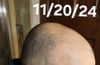
The conversation discusses hair loss and the potential impact of diet and lifestyle changes, particularly increased protein intake, on hair health. The original poster shared their experience of improved hair appearance after weight loss and dietary changes, despite skepticism from others about lighting differences in photos and the effectiveness of diet alone without finasteride or minoxidil.
Creatine may cause increased hair shedding due to androgen receptor sensitivity, despite limited evidence. The user is using dutasteride and minoxidil and seeks advice on whether shedding will stabilize, with suggestions including GHK-Cu and RU58841.
Dutasteride may not effectively stop scalp hair loss and can cause thinning of facial and body hair, including eyebrows. Users suggest considering other causes like autoimmune conditions or vitamin deficiencies and exploring treatments like finasteride or minoxidil.
PP405 and GT20029 are new hair loss treatments with different mechanisms from traditional options like Minoxidil and Finasteride. PP405 targets hair follicle stem cells to reactivate growth, while GT20029 works as an androgen receptor deleter, both requiring ongoing use for effectiveness.
Finasteride is preferred over dutasteride due to its longer history, more research, and FDA approval, despite dutasteride being more potent. Users report varied side effects, influencing personal treatment choices.
Omega 3 may help with hair thickness and regrowth, but it won't solve hair loss alone. Trying omega 3 supplements or adding fish to the diet could be beneficial.
Dutasteride and finasteride are discussed for hair loss treatment, with users sharing experiences and debating their effectiveness and side effects. Celebrities are noted as common users, and there is debate over which treatment is superior.
The conversation discusses hair loss treatments, specifically using topical finasteride and minoxidil combined with microneedling, along with supplements like collagen, vitamin C/D, and saw palmetto. The user also mentions using a DHT-blocking shampoo and experimenting with cold showers and contrast therapy for hair health.
RU58841 is used topically to prevent hair loss by blocking DHT, with suggestions to drink grapefruit juice, take breaks, avoid microneedling, and use lower concentrations to reduce side effects. Users discuss applying it at night to minimize systemic absorption.
A father experienced hair regrowth in his 60s after taking dutasteride for prostate issues, prompting discussions about its effectiveness compared to finasteride for hair loss. Users shared personal experiences, with some preferring dutasteride due to perceived effectiveness and fewer side effects.
The user is using oral Minoxidil 2.5 mg, oral Finasteride 1 mg, and a 2mm derma roller for hair loss but feels discouraged by the lack of results after a month. They are seeking advice and considering additional methods like antiandrogens, exercise, and dietary changes.
Pelage PP405 is a new hair loss treatment in trials, potentially reactivating dormant hair follicles without affecting hormones. Results are expected in February 2025, offering an alternative to minoxidil and finasteride.
Androgenetic alopecia is caused by DHT affecting hair growth. Finasteride and minoxidil are used to manage hair loss by blocking DHT and promoting hair growth.
The conversation discusses hair loss treatments, focusing on the use of topical minoxidil, microneedling, finasteride, and dutasteride, while debating the role of testosterone and DHT in hair loss. It also touches on the potential liver health impacts of these treatments and the genetic sensitivity of hair follicles to androgens.
Exercise, especially leg workouts, combined with finasteride and minoxidil, may enhance hair regrowth. Cold exposure, like cold showers, might further boost results.
A 47-year-old male experienced significant hair loss after losing 37 kg in 6 months on a low-carb diet and started taking biotin, zinc, iron, selenium, and spectral dcn-n. Replies suggest that while carbs are not directly needed for hair growth, they help regulate hormones and nutrient absorption, and rapid weight loss can also contribute to hair loss.
The conversation discusses using finasteride, dutasteride, minoxidil, cialis, and metformin to protect hair and health. Some users caution against self-prescribing these drugs due to potential risks and complications.
The conversation is about treatments for androgenetic alopecia, focusing on hyperresponders. Treatments include Minoxidil, finasteride, RU58841, leg training, and cold therapy.
NMN shows promise in promoting hair growth by reducing oxidative stress and weakening androgens. It may be a beneficial addition to hair loss treatments like Minoxidil and Finasteride.
A user shared progress pictures after 7 months on 1.5mg of finasteride, showing significant hair improvement. The user clarified they split 5 mg pills into quarters, resulting in a 1.33 mg dose.
The user believes neck tension and poor posture contribute to hair loss, noticing improvements with yoga and muscle relaxation. Replies suggest androgenic alopecia as the cause and recommend exercises.
Finasteride, Minoxidil, Bioneer CosmeRNA, Technoderma, Kintor, Hope, Breezula, and Follicum treatments showed increases in hair count, with Technoderma showing the highest increase at 24.3 hairs/cm². Amplifica has not yet published results.
The conversation is about a user's four-month progress using finasteride, minoxidil, and weekly dermastamping for hair loss. People occasionally notice improvements in the user's hair.
The conversation is about differing experiences with finasteride for hair loss, with some users reporting side effects and others not, and the debate over the drug's safety and effectiveness. Specific treatments mentioned include finasteride, dutasteride, and topical finasteride.
A 21-year-old individual questioning the safety and potential side effects of using Dutasteride for hair loss, after Finasteride and RU58841 had limited effect. The responses vary, with some users suggesting it's safe and others advising to check hormone levels before proceeding.
The user tried dutasteride for hair loss for 2.5 years but experienced drastic thinning and receding hairline. They decided to switch back to finasteride, along with minoxidil, LLLT, and ketoconazole, due to dissatisfaction with dutasteride's results and side effects.
The conversation discusses switching from finasteride to dutasteride for hair loss treatment, with mixed experiences regarding shedding and effectiveness. Some users also mention using minoxidil and RU58841 alongside these treatments.