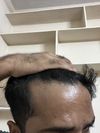
The conversation discusses a topical hair loss treatment containing 0.1% dutasteride, 6% minoxidil, tretinoin, and ketoconazole. The user is asking for opinions on the effectiveness of this solution.
The user experienced significant hair growth over three months using topical Minoxidil, microdosing Finasteride, microneedling, and ketoconazole shampoo. They also use Toppik hair fibers and Aveda hair thickening tonic for styling.
Dutasteride mesotherapy, combined with peptides and exosomes, is being considered for hair loss treatment. One user suggests that oral finasteride or dutasteride mesotherapy may not be necessary if already taking oral dutasteride.
The conversation discusses hair loss treatments, focusing on vitamin D and B12 deficiencies, and mentions using finasteride. It also suggests getting a biopsy to differentiate between MPB and other conditions.
User xEternex tries hair regrowth with daily broccoli sprouts, apple extract containing procyanidin b2, and microneedling. Others discuss potential issues with the experiment and share their experiences with vegetable consumption and hair growth.
The user reported 8 months of hair regrowth progress using 2.5mg oral minoxidil and 0.025% topical finasteride, with no side effects. They also use Keto shampoo and vitamin D3+K2 supplements.
User reports thicker, darker, and healthier hair after 3 months of using Hims chewable tablets containing 3mg minoxidil and 1.1mg finasteride. No significant regrowth in receding areas; previous use of rosemary oils and biotin pills showed no results.
The post discusses the user's experience with hair loss treatment RU58841, which was tested for quality and found to be 96+% pure. The conversation includes various responses, with some users questioning the safety of the product and others expressing satisfaction with the test results.
A user's 6-month journey to treat their hair loss using 1mg finasteride twice daily, topical minoxidil, vitamin D3, keto diet, and microneedling. They experienced shedding at the end of month 3 but have seen progress in recent months despite this.
A user shared their hair loss treatment routine, which includes oral finasteride 5 times a week and topical minoxidil twice a day, and plans to add microneedling. They reported positive results, with reduced bald spots and no side effects affecting libido or physical strength.
After using finasteride and dutasteride for hair loss, a user's blood tests showed almost unchanged DHT levels and some out-of-range hormone levels. They experienced side effects when taking dutasteride daily and also take supplements that boost testosterone.
The conversation discusses a 4-month hair regrowth protocol that includes finasteride (1.25mg), RU58841, dermarolling, ketoconazole, minoxidil, peppermint oil, and fatty acids/oils. Progress pictures are shared to show the results of these treatments.
User has been using 1.25 mg finasteride and 2.5 mg minoxidil daily for 5 months, along with 5000 mcg biotin for 1.5 months. They noticed peach fuzz growth around month 4 and are seeking confirmation if this indicates hair regrowth.
User experienced good results with topical finasteride, noting reduced DHT and increased testosterone. They plan to revert to a lower dosage after observing slight libido reduction.
A 28-year-old male shares progress on hair loss treatment using 0.5mg dutasteride and 5mg minoxidil, experiencing initial shedding but encouraged by community support. He also uses ketoconazole occasionally based on scalp oiliness.
The conversation is about a hair loss treatment regimen that includes finasteride, dutasteride, oral minoxidil, Dermapen, quercetin, N-acetyl L-cysteine, biotin, millet seed extract, MSM, OPC, green tea extract, high-dose vitamins B1-B12, boron, and silica. The user is seeking advice on additional treatments.
The user has been using a topical treatment combining finasteride, minoxidil, and caffeine for 9 months without noticing any changes and is inquiring about blood tests to check for finasteride resistance. They had their DHT levels checked, which were 54 ng/dl, and are planning to share progress pictures soon.
The post discusses the potential of upregulating aromatase to treat hair loss, suggesting that increasing CCL2 levels through Vitamin D or microneedling might help. The user questions why microneedling doesn't work for everyone, especially those with advanced hair loss.
A user in the UK seeks advice on blood tests before starting Finasteride and Minoxidil for hair loss. Recommended tests include thyroid function, hormone levels, liver and kidney function, and vitamin and mineral levels.
The user shares their experience with hair loss treatments, specifically finasteride, and discusses the side effects like lowered libido and motivation. They recommend trying tyrosine to counter these effects, noting it improved their libido and energy levels.
A 23 year old user who has had success with finasteride and minoxidil, regaining their hair after losing it due to male pattern baldness. They also attribute part of the success to lifestyle changes such as eating better, exercising, sleeping well, and reducing smoking.
The user has been using topical melatonin spray with finasteride and dutasteride to reduce hair shedding but dislikes the lavender scent of their current spray. They are seeking recommendations for a scentless or better-smelling melatonin spray.
The user has been using oral finasteride and minoxidil for hair loss since October 2024, with noticeable progress, and is considering switching to a new regimen including dutasteride, minoxidil, and biotin. They are seeking advice on the new treatment plan and its potential effects.
Treatments for hair loss, including using finasteride and minoxidil regularly, together with keto shampoo and dermapen; the user's progress since starting treatment five months ago; and discussion of potential side effects.
A 35-year-old man shares his positive progress in hair regrowth using a daily routine of 5mg oral minoxidil and 0.5mg dutasteride, along with a low light cap, weekly dermarolling, and biweekly ketoconazole shampoo. He reports noticeable improvements without side effects and aims to inspire others considering similar treatments.
A compound called MTP3 from the Monoterpene family was found to be safe and highly effective at treating hair loss by inhibiting the FGF5 gene, but its identity is undisclosed for commercial reasons. No specific treatments like Minoxidil, finasteride, or RU58841 were discussed.
A 45-year-old man experienced positive hair regrowth using a combination pill of 5mg minoxidil, 1.1mg finasteride, and 1mg biotin over three months. He reported minimal side effects and prefers this treatment over hair transplants.
A 29-year-old is using 1mg oral finasteride and 50mg/g topical minoxidil daily for hair loss, with plans to reduce minoxidil use due to greasiness and considering a hair transplant for receding temples. No side effects from finasteride were reported, and many users suggest a transplant may not be necessary due to good hair density.
A user who has been using finasteride and minoxidil, as well as a keto shampoo for two and a half months, and believes they are seeing slight improvements in their hair loss.