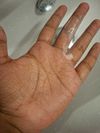
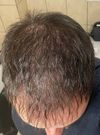
A 24-year-old user shared their 12-month progress using 1mg oral finasteride and 5mg oral minoxidil for hair loss, reporting significant improvement after initially starting with 2.5mg minoxidil. They experienced no side effects and noted thicker eyelashes, with results becoming noticeable around the 9th or 10th month.
The user shared their hair loss treatment progress using minoxidil, ketoconazole shampoo, a dermaroller, biotin, Pura d'or shampoo, and Propidren. They apply minoxidil daily, take Propidren and biotin pills, use two types of shampoo, and use a dermaroller weekly, avoiding finasteride due to concerns about side effects.
The conversation discusses using minoxidil, finasteride, biotin, rosemary oil, and microneedling for hair regrowth, particularly around the temples. The user is seeking a permanent solution to improve hair density without ongoing intensive treatments.
Tae147 has shared results of using pyrilutamide, a 5% concentration topical solution applied twice daily, in combination with minoxidil, to reduce scalp itchiness and hair shedding. Other users have shared their experiences with the treatment, as well as questions about its availability on the market.
Hair loss treatments, specifically the use of oral minoxidil in combination with micro-needling. Oral minoxidil has been found to improve hair density in 90% of patients with a low side effect profile, but using 5mg per day can result in higher side effects including hypertrichosis and edema. Other treatments mentioned include finasteride and RU58841.
The user is considering switching between topical minoxidil (10%) and oral minoxidil (2.5mg) to manage hair shedding around the temples, while also using a dermaroller and biotin. They are concerned about the potential side effects of oral minoxidil, such as hypertrichosis, and the impact on hair shedding if they stop using it.
The conclusion of the conversation is that the user, "Hello_Knicks," achieved significant hair growth and density by consistently using a combination of finasteride, dutasteride, minoxidil, dermarolling, nizoral, vitamin supplements, and a healthier diet. The user, who is a medical doctor, believes that patience, persistence, and medication compliance are key factors in achieving positive results.
User started oral finasteride 0.33mg daily and later made a topical solution with cetirizine and stemoxydine. They experienced hair growth progress after 8-9 months and discussed factors affecting their results.
A 23-year-old male switched to a topical solution containing Fin 0.1% and Min 5% from a previous solution with Fin 1% and Min 5%, noticing increased hair shedding. He is concerned about losing around 50 hairs while using ketoconazole shampoo.
A user shared 3 months of hair loss progress using topical minoxidil 5%, biotin, and increased protein. The user noted steady improvement and the benefit of progress pictures.
A user is seeking advice on a new topical hair loss treatment containing Minoxidil 3%, Finasteride 0.3%, Progesterone 1%, Hydrocortisone butyrate 0.1%, and Ketoconazole 0.5%. They are concerned about the systemic absorption of Finasteride and plan to do blood tests and a spermiogram before starting.
The user is documenting their hair loss journey, using oral finasteride since January 2025, and plans to add microneedling and rosemary oil. They have experienced no further hair loss but no gains, and are considering oral minoxidil due to having pets.
A 23-year-old male shared his 6-month hair transformation using Dutasteride, oral Minoxidil, ketoconazole shampoo, vitamin D, gym, cardio, and dermastamping. He reported significant hair maintenance and no side effects.
User tries dermapen for hair loss and plans to use non-mainstream topicals like c60, ghk-cu, and ptd-dbm with valproic acid. They also use a head massager and modified LLLT belt for additional treatment.
An experiment to determine the effectiveness of Pyrilutamide in reducing hair loss, using a regimen of Minoxidil and Finasteride, with promising results. The conversation also suggests comparing this to RU58841 as an alternative.
A 50-year-old user shared progress after one year on oral finasteride 1mg/day, oral minoxidil 2.5mg/day, and ketoconazole shampoo, with no side effects, but plans to switch to dutasteride 0.5mg/day due to recent hair loss. Other users commented on the visible improvement and discussed the potential impact of switching treatments.
A 20-year-old using minoxidil, weekly microneedling, biotin, vitamin D3, rosemary oil, and saw palmetto shampoo for hair regrowth. The user is in the shedding phase and hopes for better results in months 3-6.
The user has been using oral minoxidil and topical finasteride for over a year with good results but is considering adding mesotherapy with dutasteride due to concerns about side effects and is seeking advice. Another user suggests continuing with oral finasteride or dutasteride, while another supports mesotherapy for its benefits and professional oversight.
An 18-year-old is using a high-dose hair loss treatment with 40mg daily dutasteride, finasteride, minoxidil, tretinoin, and topical bicalutamide. Despite health risk concerns, especially liver issues, they report hair regrowth progress and intend to continue the regimen.
The user is exploring alternatives to finasteride and dutasteride due to concerns about side effects, and is using rosemary and jojoba oil, ketoconazole, minoxidil, microneedling, multi-peptide serum, saw palmetto, and stinging nettle for hair loss. They are also considering CB 03 01 and spironolactone.
The user experienced significant hair improvement using rosemary and peppermint oils, alongside minoxidil, after other treatments like finasteride and pyrilutamide showed no results. They noticed reduced hair shedding and thicker hair, particularly in the mid and crown areas.
A 23-year-old experiencing diffuse hair thinning has chosen a treatment stack including topical finasteride, a blend of rosemary, peppermint, and pumpkin seed oils, procyanidine B2 spray, ketoconazole shampoo, and scalp massages. They avoid minoxidil due to family history of side effects and oral finasteride due to high estrogen levels.
The user is using minoxidil, finasteride, ketoconazole shampoo, biotin, and omega-3 for hair loss treatment. They are concerned about progress, but responses suggest patience and addressing dandruff for better results.
The user is excited about their hair regrowth after 10 weeks using oral finasteride, topical minoxidil, ketoconazole, dermarolling, and vitamin D. They've seen significant hair thickening and believe minoxidil and dermarolling are the main contributors to their progress.
A user shared their successful hair regrowth journey using 1mg finasteride daily, 1ml minoxidil nightly, and weekly 1.5mm microneedling. They reported some side effects like reduced semen thickness but are satisfied with the results and recommend topical minoxidil over oral.
The user has been using finasteride for 15 months, minoxidil for 4.5 months, and estrogen monotherapy for 4.5 months. Their current regimen includes finasteride, minoxidil, alfatradiol, and estradiol gel.
Post Finasteride Syndrome (PFS) may result from epigenetic changes and gut microbiota alterations. Supplementing with Allopregnanolone might protect against these adverse effects.