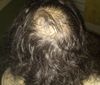
Teenagers experiencing hair loss face ridicule instead of support, impacting their mental health. Effective treatments mentioned include minoxidil, finasteride, and dermarolling.
DIM is suggested to help with estrogen metabolism for those on finasteride or dutasteride, potentially reversing side effects like fat gain and mood changes. Some users doubt its effectiveness, recommending lifestyle changes or consulting a doctor instead.
The user is considering using "Grow Gorgeous Intense Hair Density Serum" alongside Minoxidil and is currently taking Finasteride. Some users doubt the serum's effectiveness, while others suggest it may help with hair strength and thickness, but opinions are mixed.
Finasteride can reduce neuroactive steroids, causing side effects like depression, anxiety, and sexual dysfunction. Some users experience persistent symptoms after stopping finasteride, while others use alternative treatments like topical solutions.
Concerns about metal particles from dermapen or dermaroller needles potentially entering the skin and lymph nodes, similar to tattoo needles. Discussion includes the possibility of using Minoxidil, finasteride, and RU58841 for hair loss treatment.
Hair loss is distressing, with treatments like finasteride, minoxidil, and spironolactone commonly used despite potential side effects. Emphasis is placed on maintaining mental health and self-worth beyond hair appearance.
Oral dutasteride is the most effective for hair regrowth, followed by oral finasteride and minoxidil. Topical finasteride combined with minoxidil is recommended for those avoiding systemic DHT reduction.
A 20-year-old with anxiety and depression is considering finasteride for hair loss but is worried about potential side effects. They decide to consult a doctor and consider starting with a low dose, while also exploring topical finasteride as a potentially safer option.
Topical Dutasteride is more effective than topical Finasteride for treating AGA in men, with fewer side effects. Mesotherapy with Dutasteride, administered every 3 months, shows promising results for hair regrowth and maintenance without daily routines or significant side effects.
The user discusses using finasteride and dutasteride for hair regrowth, avoiding minoxidil due to side effects and inconvenience. They find these treatments effective without needing minoxidil.
Taking dutasteride with a meal containing fat may improve absorption, but consistency in routine is more important than timing. Minor variations in absorption won't significantly affect efficacy due to dutasteride's long half-life.
Hair loss negatively affects mental health, causing anxiety and depression. Minoxidil and finasteride are discussed as treatments, but side effects and mental health concerns remain.
A person is struggling with hair loss despite using finasteride and minoxidil, considering dutasteride and magnesium supplements. They are advised to be patient, consider a hair transplant, and check for thyroid issues.
The post and conversation are about hair loss treatments that have been found to be effective in studies. There are 19 different treatments mentioned, including oral minoxidil, oral dutasteride, topical finasteride, RU58841, and more. The best treatment for an individual depends on factors like availability, cost, side effects, and personal preferences.
Oral dutasteride (0.5mg) is most effective for male hair loss, followed by oral finasteride (5mg), oral minoxidil (5mg), and oral finasteride (1mg). Different treatments have benefits and side effects, and results don't apply to women's hair loss.
Microneedling with 5% minoxidil improves hair growth for hair loss patients. Best protocol: 1.5mm dermaroller weekly for 12 weeks or 0.6mm dermapen every 2 weeks for 12 weeks, skipping topicals for 24 hours.
Finasteride improved mental health and reduced hair loss concerns for the original poster. Other users suggested using minoxidil and derma-rolling for better results.
Evidence-based treatments for androgenic alopecia, such as minoxidil, finasteride, low-level laser light therapy, dutasteride, platelet-rich plasma, and topical ketoconazole. It discusses the efficacy, safety, and mechanism of action of these treatments, as well as future developments in understanding this polygenic condition.
Hair loss impacts mental health, with treatments like Minoxidil, finasteride, and stem cell transplants discussed. There is hope for future breakthroughs, but current treatments are limited, and awareness is lacking.
A user stopped taking finasteride due to mental health concerns but is considering restarting it to address worsening hair loss, despite fears of potential psychological side effects. They continued using minoxidil but are unsure if their fear of finasteride's effects is justified.
The user stopped using finasteride due to mental side effects but is concerned about hair loss. They are seeking affordable alternatives to finasteride, as their hairline is receding.
Hair loss possibly caused by chlorine and heavy metals in water was addressed by using a shower filter, ketoconazole shampoo, and PRP sessions, which stopped the hair loss but did not lead to regrowth. Other users suggested similar experiences and solutions, emphasizing the importance of a good water filter and patience for potential regrowth.
OP is pausing hair loss treatments to focus on mental health due to anxiety and side effects from RU58841. They plan to try topical finasteride and minoxidil after recovering from pneumonia.
The user is considering starting a 6-month treatment with minoxidil and finasteride for hair loss but is unsure due to minimal current hair loss and concerns about mental health effects from oral finasteride. They are uncertain about the correct application areas for these treatments.
A 48-year-old man has been using minoxidil for 15 years and considered finasteride but stopped due to potential side effects. He is concerned about his mental health and the impact of hair loss on self-image, and he encourages support among men experiencing hair loss.
User experienced hair loss and tried various treatments, including Minoxidil, Finasteride, and Spironolactone. They face a dilemma between continuing treatments for hair regrowth and having a therapy cat, as Minoxidil is toxic to cats.
A 26-year-old experiencing crown hair loss after years of neglect due to mental health issues is advised to improve diet, wash hair regularly, and consider using Minoxidil and Finasteride for regrowth.
Hair loss and the importance of not letting it affect one's self-worth. The conversation includes advice on treatments such as taking medication, like Minoxidil and Finasteride, and other methods to manage hairloss, such as buzzing your head or seeking professional help.
Hair loss can cause psychological distress, but maintaining optimism and self-improvement is crucial. Treatments like minoxidil, finasteride, and potential new options like clascoterone offer hope, though side effects can occur.