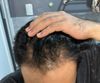
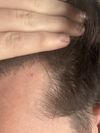
OP experienced significant hair regrowth after recovering from iron deficiency anemia and starting minoxidil. They suspect anemia contributed more to their hair loss than androgenetic alopecia (AGA).
Loose-Message9596 has been experiencing hair loss for 3-4 years, initially due to low ferritin and vitamin D levels, and has tried treatments like vitamins, System 4, and PRP therapy. They are considering starting finasteride and minoxidil but are unsure due to their relatively low DHT level of 425.
A user experimenting with an extreme hair loss treatment stack of Dutasteride, RU58841, 15 mg oral minoxidil, and microneedling, which sparked a debate among other users about the safety of this approach.
Hair loss possibly caused by chlorine and heavy metals in water was addressed by using a shower filter, ketoconazole shampoo, and PRP sessions, which stopped the hair loss but did not lead to regrowth. Other users suggested similar experiences and solutions, emphasizing the importance of a good water filter and patience for potential regrowth.
The user experienced a sudden decrease in hair density after starting alfatradiol while already using finasteride. Another user mentioned that initial shedding can occur with hair loss treatments, but it may not last long.
GT20029 is a topical treatment that degrades androgen receptors to prevent hair thinning and loss, potentially offering fewer side effects than systemic treatments like finasteride. Concerns include its impact on hair texture and potential systemic effects, with market availability speculated in 3 to 5 years.
Pyrilutamide's systemic degradation is unclear, unlike fluridil, which becomes inactive in the body. The discussion focuses on whether pyrilutamide shares this property.
The user is experiencing heavy hair shedding and a receding frontal area despite using finasteride and minoxidil. They are considering switching to dutasteride for better results.
Hair loss after telogen effluvium (TE) with thinning and possible scarring, treated with 5 mg oral minoxidil. Concerns about scarring alopecia and lack of regrowth, with suggestions to consider finasteride for better results.
The user experienced severe hair shedding despite using oral finasteride, minoxidil, dutasteride, and RU58841, and was diagnosed with Non-Alcoholic Fatty Liver Disease (NAFLD). They are considering switching to topical treatments due to the ineffectiveness of their current regimen.
Microneedling for hair loss, with concerns about cost and conflicting information on protocols. The user is unsure about purchasing and reusing microneedling stampers.
The "crunching" sound during microneedling is likely the needles penetrating the scalp's outer layers, not cutting hair. Users suggest using a derma stamp instead of a roller to avoid potential hair damage.
A 31-year-old male experienced hair shedding after rapid weight loss and stopping vitamins, despite using minoxidil and other supplements. He is considering Saw Palmetto and Pumpkin Seed Oil instead of finasteride due to trying for kids, and is concerned about high ferritin and DHEAS levels.
The conversation is about a hair regrowth regimen that includes using minoxidil, peppermint oil, a red light hat, and microneedling. The user is seeking advice on the effectiveness and frequency of these treatments.
A user lost 60% hair density in 4 months, started finasteride and microneedling, and has greasy, flaky, yellowish scalp. They are awaiting biopsy results, and another user suggested trying ketoconazole shampoo.
The user has been using finasteride and topical minoxidil for 15 months but is experiencing constant hair shedding, similar to telogen effluvium, despite stable widow peaks. They have checked for vitamin and mineral deficiencies, consulted specialists, and are considering further investigation like a scalp biopsy.
Microneedling is effective for hair growth, especially when combined with finasteride and minoxidil, but concerns exist about potential long-term skin damage. Users report increased collagen and elastin deposition, but the long-term effects on the scalp remain uncertain.
The user has been using topical finasteride and minoxidil for a month to address hair thinning. They are experiencing shedding but have noticed small hairs on their temples.
The user experienced hair shedding after increasing minoxidil from 5% to 7% with latanoprost, possibly causing telogen effluvium. They are on HRT with Lupron, Estradiol, and Raloxifene, and are concerned about the shedding's duration.
The conversation discusses hair regrowth after a health condition, with the appearance of white substance on the scalp. Suggestions include it being sebum or White Piedra, with a recommendation to try Nizoral.
Minoxidil can cause scalp dryness and flaking, leading to hair shedding when exfoliating. Alternatives like oral Minoxidil, finasteride, and ketoconazole shampoo are suggested to manage these issues.
Switching from liquid to foam minoxidil led to hair loss for OP, possibly due to a second shedding cycle. OP experienced allergic reactions to propylene glycol in the liquid form, causing dandruff and itchiness, which improved after switching to foam.
The user has been using topical finasteride and minoxidil since February, along with microneedling, and recently noticed increased hair shedding. They are curious if others experienced worsening hair appearance after shedding or if it remained unchanged.
A user noticed a color change in their hair loss solution containing minoxidil, finasteride, retinoic acid, and hydrocortisone after storing it for several months. They are concerned about the effectiveness of the solution due to potential oxidation.
The user is treating hair loss with 1mg finasteride every other day, daily topical minoxidil, and weekly derma rolling, and is considering using hair fibers for special occasions. There is a discussion about the initial shedding phase of minoxidil treatment and the importance of consistent photo conditions to track progress.
The user discovered that a buildup of sebum and residue was preventing Minoxidil and finasteride from working effectively. After thorough scalp cleaning, hair shedding reduced significantly, and microneedling became more effective.
The user "Dekar__" is experiencing a significant shed on Minoxidil 5% foam after 2.5 months of use, with no visible regrowth yet. They are also using Alfatradiol.
The user is experiencing a difficult shedding phase after starting a hair loss treatment with oral finasteride, topical minoxidil, and microneedling. Despite the shedding, they remain hopeful for regrowth and plan to continue the treatment, encouraged by others' positive results.
The conversation discusses hair loss treatments, specifically using finasteride, minoxidil, and microneedling. Recommendations for durable microneedling tools include the Derminator 2 and Dr. Pen.