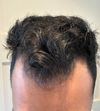
A user asks about experiences with Minichek F 5% with Procapil, specifically its drying time. Responses discuss the effectiveness and drying time of the treatment.
A 26-year-old is starting a hair loss treatment using 1mg oral finasteride daily, 5% topical minoxidil foam twice daily, 2% ketoconazole shampoo weekly, and microneedling once a week. They noticed worsening hair loss over the past year and are seeking advice.
The user reports using topical minoxidil 6% and finasteride 0.05% once daily, along with microneedling, vitamins, biotin, and nizoral shampoo. They recently increased minoxidil and finasteride to twice daily and feel their hair is thicker but are unsure about regrowth.
Using topical finasteride 0.1%, minoxidil 5%, and melatonin for 7 months reduced hair loss significantly, with increased libido and decreased stress tolerance. The user applies the solution once daily, uses nizoral twice weekly, and takes vitamin D and ZMA supplements.
Hair loss treatment with latanoprost, minoxidil, and biotin showed progress. Latanoprost, a glaucoma drug, stimulates anagen phase and increases conversion of vellus hair to terminal hair.
A 24-year-old experienced significant hair regrowth using 1mg finasteride and 2.5mg oral minoxidil daily for four months, with minimal side effects. The results impressed many, and the user confirmed the treatments were prescribed by a doctor.
The user reported tiny hair growth in thinning areas and improved thickness after 56 days of using 1 mg oral finasteride, 2.5 mg oral minoxidil, and a serum with Redensyl, Anagain, Capixyl, and Procapil. They also take supplements and maintain a healthy lifestyle with no noticeable side effects.
The conversation is about a female seeking advice on using bicalutamide for female pattern hair loss (FPHL) and considering switching from pumpkin seed oil pills to a stronger treatment. She is looking for dosage information to discuss with her dermatologist.
A user is starting topical finasteride and minoxidil 3 times a week for hair loss and is experiencing high anxiety about the treatment's effectiveness and potential side effects. They are also taking vitamin D3 daily and are concerned about the application method and possible shedding.
The user experienced side effects from finasteride and Nutrafol, opting for non-hormonal treatments like minoxidil, exercise, and a healthy lifestyle. Others discussed using Dutasteride, Biotin, and minoxidil with varying success and side effects.
A user is considering using topical finasteride, topical minoxidil, RU58841, and dermarolling twice a week to address hair loss after experiencing side effects with oral finasteride. They previously saw positive results with a topical spray containing finasteride, minoxidil, and tretinoin but discontinued use due to laziness.
A user is concerned if a formulation of tretinoin mixed with niacinamide will affect the absorption of minoxidil. They are seeking advice on whether niacinamide will hinder tretinoin's effectiveness.
A user wants to dilute a melatonin sublingual spray to 0.0033% for use as a topical hair loss treatment. They ask if distilled water can be used for dilution and how much is needed for stability over months.
PP405, a topical treatment, shows promise for hair growth by activating inactive follicles, with 66% of participants experiencing positive results. The treatment is well-tolerated and may proceed directly to Phase 3 trials, offering a potential alternative to minoxidil and finasteride.
A user reported improved hair thickness after using 1mg daily of finasteride, minoxidil foam twice daily, vitamin D, and biotin shampoo, and later reduced the finasteride dose to 0.5mg. They plan to provide another update at the 6-month mark.
The user experienced significant hair regrowth using 1mg of finasteride three times a week, with mild side effects like gynecomastia and breakouts. They are considering starting minoxidil.
The user started a new hair loss treatment regimen using topical finasteride and minoxidil, saw palmetto, sulforaphane, and apple extract supplements, while also trying to quit nicotine and fast food. They later cut out supplements due to cost, continued with topical treatment, and experienced improved hair health but faced issues with low libido.
The user shared their 5-month hair progress using oral finasteride and minoxidil, reporting positive results with minimal side effects. They use a chewable 2-in-1 product from Hims for convenience.
Taking finasteride 3 times a week can provide similar benefits to daily use with potentially fewer side effects. Some users switch to topical treatments or adjust dosages to manage side effects while maintaining hair health.
The user halted hair loss using 0.01% topical liposomal finasteride daily, with no side effects or regrowth, and recently added 5% minoxidil and low-level laser therapy. They recommend this conservative approach for those hesitant about finasteride.
A physician experienced hair thickening and new growth using microneedling and minoxidil, but stopped using topical finasteride due to side effects like reduced libido and erectile dysfunction. The physician plans to continue with microneedling and minoxidil, considering finasteride nonessential for cosmetic purposes.
A 28-year-old male shared his 2.5-month progress using 1 mg finasteride every other day, minoxidil daily, and occasionally castor oil and dermarolling. He also stopped using hair products daily.
The conversation discusses using Musely's classic formula for hair loss, which includes minoxidil, dutasteride, tretinoin, ketoconazole, and hydrocortisone. Concerns are raised about hydrocortisone and the high concentration of dutasteride, with a preference for using research-backed concentrations without hydrocortisone.
Nutrafol, a hair loss supplement, has limited and potentially biased research, with one study showing a 10% increase in hair count for women after 6 months but no significant results for men. The user concludes that cheaper, well-studied options like minoxidil may be more effective, especially for men, given the lack of evidence supporting Nutrafol.
The conversation discusses the potential of creating a homemade sulforaphane topical for hair loss treatment. Participants mention challenges with sulforaphane stability and reference other treatments like Minoxidil.
The conversation discusses using TH16, a topical melatonin with resveratrol, and stemoxydine for hair maintenance, avoiding finasteride and minoxidil due to side effects. The user is considering a low-dose topical finasteride despite sensitivity.
Significant hair improvement was achieved using 1.25mg finasteride and 5mg oral minoxidil daily, with no side effects. The user increased the minoxidil dosage to 7.5mg after noticing minor thinning and plans to continue the routine.
The user experienced hair regrowth using 5% minoxidil and 1 mg finasteride, with additional supplements like a DHT blocker and foligrowth. Despite initial shedding, consistent use led to visible improvement in hair density.
A 23-year-old plans to use Minoxidil for 4 months, then add Finasteride to assess their effectiveness for hair loss. They will track progress with photos and consider switching treatments if results are unsatisfactory.
Hair loss has slowed or stopped after 5 months of daily oral minoxidil and finasteride treatment, with ketoconazole shampoo used twice a week. Noticeable thickening is observed, especially on the mid scalp.