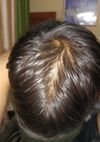
AB-103, a minoxidil sulfotransferase stimulant, is discussed as a potential hair loss treatment. Users inquire about effective boosters for hair growth.
User started oral finasteride 0.33mg daily and later made a topical solution with cetirizine and stemoxydine. They experienced hair growth progress after 8-9 months and discussed factors affecting their results.
The user switched from topical minoxidil and finasteride to oral minoxidil due to lack of results. They experienced side effects at higher doses but saw new hair growth at lower doses.
Some people may not respond to topical minoxidil due to low SULT1A1 enzyme activity, but oral minoxidil can be effective. Tretinoin may enhance minoxidil's effectiveness, and some users prefer oral minoxidil despite side effects.
User shared progress pictures showing significant hair regrowth using a compounded solution of Minoxidil 10%, Finasteride 0.1%, Biotin 0.2%, and Latanoprost 0.005%. They reported no side effects and are satisfied with the results.
The conversation is about using inositol for hair loss, particularly its potential benefits for men, given its success in women with PCOS. The discussion includes treatments like Minoxidil, finasteride, and RU58841.
The conversation discusses the potential of using topical estrogen treatments for hair loss without systemic absorption, highlighting challenges and possible solutions like using estriol. It also mentions other treatments like topical finasteride, microneedling, and scalp massage, while noting the limitations and side effects of current options.
Minoxidil can cause face bloating, especially when combined with microneedling, as it may increase systemic absorption. Alternatives like Stemoxidine or Aminexil are considered, and some users find relief by adjusting application timing or switching brands.
The user used finasteride but stopped due to side effects, then used topical minoxidil for 13 months, and later added KX826/pyrilutamide for 8 months. They experienced shedding after starting pyrilutamide and use minoxidil and KX826 once daily.
A 44-year-old man experienced significant hair regrowth after switching from topical to 1.25mg oral minoxidil and 0.5mg daily finasteride, with no side effects. He noticed hair thickening after two months and credits the oral form's effectiveness.
A 25-year-old user shared progress pictures after using oral finasteride and oral minoxidil for nearly four months, reporting significant crown gains and slight temple progress without side effects. The user chews a Hims 3-in-1 tablet and has not experienced any shedding due to starting with a shaved head.
The user shared a 1-month progress picture showing improvement in hair thickness and new growth after using Hims oral finasteride (1.1 mg) and minoxidil (3 mg), with no side effects, and also mentioned using ketoconazole shampoo and a rosemary hair mask. They plan to post updates at 6 and 12 months.
Oral minoxidil is considered effective for hair growth, and some users combine it with microneedling despite mixed opinions on its additional benefits. Concerns about microneedling include potential scarring and lack of conclusive evidence on its effectiveness when used with oral treatments.
The user shared progress after four months of using a topical treatment with 0.3% finasteride and 6% minoxidil from Hims, noting positive results and considering switching to oral medication for convenience. Other users discussed the effectiveness of minoxidil and finasteride, emphasizing that first-time users often see the best results, and shared personal experiences with hair regrowth and maintenance.
The user is frustrated with ongoing hair loss despite using oral finasteride and topical minoxidil. They are considering adding magnesium to their diet and exploring other treatments like micro-needling and keto shampoo.
User applied topical Minoxidil 5% and Finasteride 0.1% daily, with rosemary oil weekly, and saw initial baby hair growth. They plan to add derma stamping and Redensyl serum.
The user reported 4 months of using 0.5mg finasteride and 6 months of microneedling, Nizoral, and topical melatonin. They saw improvement on the left side but no improvement on the right side and are hesitant to start minoxidil.
A user is experimenting with a DIY topical solution combining finasteride and minoxidil for hair loss, applying 0.5 mg of finasteride daily. Concerns include absorption issues, potential side effects, and product loss due to hair density, with some users suggesting oral intake for better results.
The conversation discusses microneedling techniques and the use of Minoxidil, copper peptides, EGF, FGF, ceramides, and hydration serums to enhance hair growth. It explores optimizing scalp conditions and the potential benefits of various compounds in conjunction with microneedling.
Trying out a new exosome treatment for male pattern baldness, in addition to increasing vitamin intake and using existing treatments such as Nizoral and scalp drops. The user has no expectations that the new treatment will work but is giving it a try anyway.
Melatonin at a 0.0033% concentration shows results for hair loss when used topically. A user is discussing how to replicate this by adding 2mg of Melatonin to 60ml of Minoxidil solution.
A user who has had positive results from using a regimen of microneedling, finasteride, minoxidil, peppermint oil, keto shampoo and DHT organic shampoo for hair growth. The conversation also addressed whether to use .5mg or 1mg of finasteride and the difference between dermapens and rollers.
The user is seeking advice on sourcing finasteride, dutasteride, and minoxidil, as their doctors are unwilling to prescribe both finasteride/dutasteride and minoxidil simultaneously. They are also looking for sources of GHK-Cu and RU58841 in the USA, with suggestions including using services like Hims, ro.co, and Musely.
Minoxidil without propylene glycol is sought to avoid dermatitis, with Rogaine foam and Tecflox suggested as alternatives. Users discuss using foam to prevent irritation and suggest heating it for easier application.
A 20-year-old diffuse thinner has been using finasteride for 8 months and is considering adding minoxidil to their routine. A user suggests incorporating minoxidil for quicker regrowth, despite the hassle of daily application, while continuing finasteride.
The user treated seborrheic dermatitis and hair loss with a routine including sulfate-free tea tree oil shampoo, ketoconazole shampoo, minoxidil foam, microneedling, and supplements like Omega-3 and Vitamin-D. They experienced significant hair shedding initially but saw improvement over a year.
The user plans to use a "nuclear protocol" for hair improvement, including topical minoxidil 12.5%, topical finasteride 0.1%, and tretinoin 0.05%, with microneedling once a week. They have seen improvements with minoxidil and are seeking opinions on their approach to achieve thicker hair.