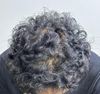
A 19-year-old male is considering switching from topical to oral Minoxidil and finasteride due to unsatisfactory results but is concerned about potential side effects. It is suggested to start with low doses of oral versions to test tolerance, as they may be more effective but carry higher risks.
Avoid home-compounding topical minoxidil due to potential risks and complications. Use proper equipment and techniques to prevent aerosolization and ensure effective dissolution.
The conversation discusses the delay in the release of a new hair loss treatment, Pyrilutamide, and speculates on potential safety concerns as a reason for the delay. It also mentions GT20029 as another future treatment option, with a release at least five years away, and touches on the avoidance of research chemicals due to uncertainty about their authenticity.
The user is considering cutting a 5mg finasteride pill into quarters to take 1.25mg daily due to concerns about side effects. They are also contemplating using 0.5mg of dutasteride instead.
Travoprost may be more effective than minoxidil for hair growth and can be used alongside it, but its effectiveness is debated due to inconsistent dosing results. Travoprost is expensive and not widely used, with alternatives like latanoprost and bimatoprost being more accessible.
Kintor's KX826 (pyrilutamide) is ineffective at 0.5% and overpriced at 1%, leading to user frustration and calls for fair pricing. Users suggest sticking with proven treatments like Minoxidil and Finasteride.
A user is waiting for pyrilutamide delivery and is seeking reviews, especially regarding side effects. No reviews have been mentioned in the conversation.
Combining topical minoxidil and pyrilutamide (KX-826) for hair loss treatment. It is suggested to apply minoxidil first, wait 20 minutes, then apply pyrilutamide for better absorption.
A person is experimenting with microneedling on one temple while using Minoxidil to address hair loss. They plan to needle weekly and apply Minoxidil twice daily, avoiding application around needling sessions.
Pyrilutamide is an experimental hair loss treatment, with users discussing its availability and cost from sources like Anagen Inc, Actifolic, and MinoxidilMax. Some users express concerns about product authenticity and suggest waiting for further trial results to assess its safety and effectiveness.
The user plans to treat hair loss with topical minoxidil mixed with caffeine and melatonin, keto shampoo, and oral saw palmetto. They aim to stimulate hair growth, block DHT, and prolong the growth phase without using finasteride or dutasteride.
A user shared a six-month update on hair improvement using Pyrilutamide and Minoxidil, noting significant hair regrowth and strength. Some participants questioned the legitimacy of the results and the source of Pyrilutamide.
The user tried Redensyl but stopped using topical finasteride and continued with 5% minoxidil. They are experiencing hair loss and considering accepting baldness.
A user plans to order Pyrilutamide for hair loss after losing ground on finasteride. Another user advises against buying from Hairliciously, suggesting Amazon instead.
A user is seeking recommendations for purchasing Minichek 5% solution, a PG-free minoxidil, due to a contact allergy to propylene glycol. They are looking for an affordable option comparable in price to Kirkland or Amazon brand minoxidil.
The user is using a regimen of topical finasteride (.025% concentration), minoxidil, Nutrafol, and vitamin D to address hair loss. They experienced initial side effects but reported improvement over 11 weeks and are considering increasing the dosage.
Combining finasteride with minoxidil and tretinoin is discussed, with concerns about potential overdose. It is suggested that high doses of finasteride do not provide additional benefits beyond 1 mg.
A user is considering switching from oral minoxidil to a combination of 5% topical minoxidil and tretinoin to reduce hypertrichosis. They hope this combination will be effective without causing excessive body hair growth.
The user is seeking a substitute for Tretinoin to enhance the effectiveness of Minoxidil for hair loss. They are considering using Retinol as an alternative.
User TH1RT33N_DR34M shares that MinoxidilMax plans to make topical Procyanidin B2 within a month. Users discuss the legitimacy of the product, quality control, and potential results from using it for hair loss.
The user experiences severe side effects from finasteride and dutasteride, including low libido and anxiety, and is currently using oral minoxidil despite shortness of breath. They are seeking alternative treatments for hair loss, having tried pyrilutamide, fluridil, and RU58841 with no success, and are considering future treatments or a hair transplant.
A 33-year-old user has been on finasteride for 10 years with great results and recently increased their oral minoxidil dose to 5 mg to improve hair thickness and possibly regrow hair. They are considering microneedling and a hair transplant to enhance their hairline and temples, despite already having significant improvement.
A 19-year-old transgender individual is experiencing worsening temple recession despite taking female hormones and 1.25mg finasteride. They are seeking advice on additional treatments to address hair loss.
A 37-year-old man treated his hair loss with 0.5mg finasteride every other day and 5% minoxidil twice daily for 5 months, reducing finasteride from 1mg due to side effects. His hair improved significantly, with positive changes visible from all angles, and he experienced no more side effects after the dosage adjustment.
The user is using a topical solution containing 1% finasteride and 5% minoxidil for hair loss, with water, glycerin, and PEG-40 hydrogenated castor oil as carrier agents. They are questioning if these ingredients are effective carriers after using the solution for three months.
Verteporfin is being discussed for its potential to regrow hair and heal scars, possibly aiding hair transplants or replacing them. Some users are skeptical about its effectiveness, while others suggest combining it with microneedling for better results.
A new product, a retinoic acid solution (0.3%), is available to enhance minoxidil products like Rogaine and Kirkland by converting them into a tretinoin-containing solution for improved hair loss treatment. One unit of the product is enough for a year's supply.