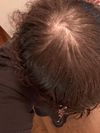
Redensyl, a hair loss treatment that has been claimed to be 80% more effective than minoxidil, but users have not experienced any results from using it.
Apply minoxidil at least 1-2 hours before bed to ensure it dries and doesn't transfer to the pillow. Foam dries faster than liquid, and using a satin beanie after drying can help prevent transfer.
The conversation discusses the effectiveness of adding RCP (redensyl, capixyl, procapil) to a hair loss treatment regimen that includes minoxidil and finasteride. Users share experiences, suggesting RCP may not be as effective as minoxidil, but could be useful for creating topical solutions.
Salicylic Acid shampoo may hinder topical minoxidil but not oral minoxidil, which works through the liver. The user plans to continue using oral minoxidil and is concerned about the shampoo's effect on it.
The conversation is about purchasing Kirkland Minoxidil on eBay in Australia, with concerns about authenticity and suggestions to buy from local pharmacies or use other brands like Generic Health. Users discuss the high cost of Rogaine and the potential for fake products online.
The user is seeking advice on sourcing finasteride, dutasteride, and minoxidil, as their doctors are unwilling to prescribe both finasteride/dutasteride and minoxidil simultaneously. They are also looking for sources of GHK-Cu and RU58841 in the USA, with suggestions including using services like Hims, ro.co, and Musely.
A dermatologist prescribed 0.625mg of oral minoxidil daily without a DHT blocker, which some users disagree with, suggesting a combination with finasteride or dutasteride for better results. Others argue starting with a low dose of minoxidil is standard to test tolerance before considering additional treatments.
The conversation is about finding a reliable source for oral minoxidil in Turkey, preferably in original packaging, and concerns about the safety and effectiveness of local products. The user is seeking recommendations for trustworthy suppliers and is wary of counterfeit products and scams.
New hair loss treatments like GT20029 and PP405 could potentially replace minoxidil and finasteride, offering better results with fewer side effects. However, current treatments like finasteride and minoxidil are still effective for many, despite concerns about side effects.
A user found a solution for Minoxidil-induced dandruff by using a custom NRF 11.121 mixture from a local pharmacy, which includes ingredients like Isopropyl palmitate and Cremophor RH 40. This formulation prevents dryness and allows better penetration when using hair shaders.
A man in his 50s, who has been on Finasteride for 15 years, is considering adding a custom topical Minoxidil blend to his treatment due to recent hairline recession. He questions whether the custom blend is more effective than generic Minoxidil, expresses concerns about shedding and body hair growth, and seeks advice on application timing with styling products and whether to pursue other treatments like PRP or laser.
The user is considering switching from topical to oral minoxidil for convenience and better hair regrowth, despite concerns about side effects. They are also tapering off finasteride while starting dutasteride.
Breezula's effectiveness is uncertain, with some users skeptical about its potential and others noting its recent availability on the grey market. A user reported success with a stack of Dutasteride (oral), Minoxidil (topical), and RU58841 (topical), achieving significant hair improvement after 18 months.
Dutasteride and oral minoxidil improved the user's hair thickness, darkness, and curliness, making them look more attractive and younger. The user takes 0.5mg of dutasteride and 2.5mg of minoxidil daily.
A popular Ayurvedic herb, referred to as the "King of Hair," may be as effective as Minoxidil for hair health. Some users are hesitant to switch from Minoxidil without human studies, while others report positive effects when using the herb alongside Minoxidil.
The user experienced significant hair regrowth using KX-826 (pyrilutamide) 0.9% over one year, despite initial shedding phases. They reported no side effects and have stabilized hair loss with consistent use.
The conversation is about seeking alternatives to finasteride for hair loss treatment due to concerns about sexual side effects, with pyrilutamide mentioned as a potential alternative.
The user switched from Pyrilutamide to RU58841, changed their Minoxidil solution, and continued using low-dose Finasteride, derma rolling, and specific shampoo. They asked others about their plans after Pyrilutamide's disappointing results.
A 24-year-old man is experiencing hair shedding after starting Minoxidil and Creatine, and is concerned about accelerated hair loss. A user suggests that Creatine does not increase DHT levels and recommends considering oral Dutasteride, low-dose oral Minoxidil, and Ciclopirox Shampoo, advising consultation with a doctor.
A 28-year-old male, previously on dutasteride for hair loss, is considering oral minoxidil or a compounded treatment of minoxidil, finasteride, and tretinoin after noticing hairline recession. The dermatologist suggested oral minoxidil and mentioned a compounded option, but the user is unsure about its benefits compared to current treatments.
A user wants to make a solution for RU58841 and finasteride powder using only glycerin and asks if ethanol is necessary. They are seeking advice on whether glycerin alone is sufficient.
The user reports taking high dosage oral minoxidil (10mg/day) for hair growth, which causes facial bloating. They tried using the diuretic furosemide to reduce bloating, but it was ineffective.
Oral minoxidil boosted vertex hair but not the hairline, with a stack including 5mg minoxidil, 2mg dutasteride, topical foam minoxidil, fluridil, and Nizoral. Users discuss dosing strategies, with some suggesting 2.5mg twice daily for sustained levels, while others recommend 5mg once daily based on clinical trials.
Minoxidil and dutasteride are discussed as treatments for hair loss, with some users sharing positive experiences and others noting side effects. The effectiveness of these treatments varies, and some users consider additional options like finasteride and topical sprays.
A 19-year-old is concerned about using low-dose sublingual minoxidil for hair loss and its potential side effects, while questioning its effectiveness against DHT. They are considering whether this treatment is the best option.
The conversation is about the possibility of obtaining Pyrilutamide, a hair loss treatment, once it becomes available in China, despite it not being approved by the US FDA yet. The user wants to use Pyrilutamide along with other treatments.
A user discusses a hair loss treatment combining minoxidil and tretinoin, noting it may enhance absorption. Some users express interest and share positive experiences, while others question its effectiveness without medical evidence.
Alcohol-free minoxidil options in Europe, particularly from a German pharmacy, are recommended for those with seborrheic dermatitis. Users suggest alternatives like Alopexy and Doppelherz foam, and emphasize avoiding propylene glycol and alcohol to reduce irritation.
The conversation discusses finding sources of Dutasteride in Europe for mesotherapy to treat hair loss. It also mentions using Minoxidil, Finasteride, and RU58841 as treatments.
The conversation discusses using finasteride, dutasteride, minoxidil, cialis, and metformin to protect hair and health. Some users caution against self-prescribing these drugs due to potential risks and complications.