The user shared their five-month progress using topical minoxidil, oral finasteride, and dermarolling for hair regrowth, noting improvements despite some areas remaining thin. Other users suggested switching from dermarolling to dermastamping for safety and effectiveness.
Finasteride and minoxidil are discussed as hair loss treatments, with warnings about minoxidil's toxicity to cats. Suggestions include hair transplants, dutasteride, and humorous alternatives like red light therapy and rosemary oil.
A 23-year-old is considering using a topical solution of Finjuve (finasteride and minoxidil) at a reduced dosage of 0.2/0.4mg to treat crown thinning while minimizing side effects. Applying 0.1-0.2 mL is suggested to lower systemic absorption and effectively reduce DHT on the scalp.
FalseHour6541's two-year experience with Minoxidil and Finasteride, resulting in good density on their crown; other users suggested a hair transplant to help reduce the receding hairline.
The user switched from finasteride to dutasteride and oral minoxidil after experiencing side effects and worsening hair on finasteride. They report improved hair health with dutasteride and oral minoxidil, noting no side effects with dutasteride.
Unused Minoxidil tablets should be disposed of at a pharmacy with take-back services or according to packaging instructions. It's not recommended to give them to others due to legal and safety concerns.
The user experienced mental side effects from oral finasteride, such as brain fog and low mood, and switched to topical finasteride combined with minoxidil. They are monitoring mental clarity and hair progress after stopping oral finasteride.
The user is taking a 2-in-1 pill containing 1mg finasteride and 3mg minoxidil daily, noticing some hair thickening and new hair growth but minimal progress at the back of the head. They are considering adding topical minoxidil or increasing dosage and are unsure if they should change their routine or wait for more results.
A user is experiencing continued hair loss despite using 0.5mg dutasteride and 2.5mg minoxidil, and is seeking advice on why the treatments aren't working and how to address potential androgen receptor sensitivity. Replies suggest getting tested and considering scalp micropigmentation (SMP).
The conversation is about a user switching from finasteride to dutasteride after 4 years due to continued hair recession and miniaturization. The user plans to gradually increase to 1mg of dutasteride daily.
User shared progress pictures of hair density improvement using 1mg finasteride and topical minoxidil, but expressed concern about recent hairline miniaturization and treatment effectiveness. Another user complimented the results and inquired about initial shedding.
The user has been using finasteride for 5 months and minoxidil for 9 months without results and is considering switching to dutasteride. Microneedling seems to be the only effective treatment for them so far.
Extended-release oral minoxidil (VDPHL01) shows promising results for hair growth with improved safety, achieving significant hair count increases and minimal side effects compared to placebo. The treatment is designed to maintain effective concentrations while reducing side effects, making it a safer option for those who cannot tolerate standard minoxidil.
The user is considering switching from finasteride to daily dutasteride and adding oral minoxidil to their current regimen of topical minoxidil, tretinoin, and microneedling due to a lack of progress in hair regrowth. They are seeking advice on whether this change could make a difference.
The user has been on finasteride for 5-6 years but is experiencing diffuse thinning and considering adding minoxidil. They are cautious about increasing the finasteride dosage due to side effects and are exploring if minoxidil can help when finasteride's effectiveness decreases.
Microneedling combined with minoxidil may promote hair regrowth, with some users reporting success using a 1.5mm dermaroller twice a week. Others have seen results with minoxidil alone or by increasing microneedling frequency.
The user has been using oral finasteride and minoxidil for five months with some progress and plans to switch to dutasteride, while also considering a hair transplant for better coverage. Suggestions include adding microneedling, Nizoral shampoo, and possibly using both oral and topical treatments for improved results.
The user has been using 0.25 mg of finasteride daily for 5 months to address hair thinning and is seeking advice on whether to continue this regimen or adjust it. They have not used minoxidil and are considering whether finasteride alone can stabilize or improve their hair condition.
A user shared progress pictures showing significant hair regrowth from using 1mg finasteride, Minoxidil, vitamins, and dermarolling over 4 months. The user reported no side effects and takes a generic multivitamin and biotin.
A 34-year-old male, already on finasteride, is hesitant to continue minoxidil due to side effects like headaches and concerns about facial bloating and skin aging. Another user shares their experience with minoxidil causing facial bloating but hopes for hair growth benefits.
The user is using 5% topical minoxidil twice daily and 1.25 mg oral finasteride for hair thinning at the temples. They are considering switching to once-daily minoxidil due to scalp flakiness and future time constraints.
A physician experienced hair thickening and new growth using microneedling and minoxidil, but stopped using topical finasteride due to side effects like reduced libido and erectile dysfunction. The physician plans to continue with microneedling and minoxidil, considering finasteride nonessential for cosmetic purposes.
User experienced 6 months progress using dut 0.5 daily and oral Minoxidil 5mg daily, with some side effects. Others congratulated and shared similar experiences, giving hope.
User shared 2-year hair loss progress using finasteride 3 times a week and 5 mg oral minoxidil daily. Another user praised the results as a complete recovery.
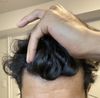
A 33-year-old is considering using Minoxidil and Dutasteride for hair loss but is hesitant due to concerns about long-term commitment and side effects. They are advised to consider starting with topical treatments to assess their response.
A 25-year-old switched from finasteride to dutasteride, experiencing significant hair regrowth and improved hair quality after 6 months, taking it three times a week. The user stopped finasteride entirely, citing dutasteride's longer half-life as more effective.
The conversation is about using microneedling with minoxidil and finasteride for hair loss treatment. Users discuss the frequency and needle depth for microneedling, and the timing of minoxidil application, with varying opinions on the best practices.
.
This conversation is a satire post about a user who appears to have an abundance of hair, with other users commenting and asking questions about the treatments they use for their hair loss. Treatments discussed include minoxidil and finasteride.

![[33M] Should I proceed with MIN + DUT treatment?](/images/assets/09b2dd4e-a23a-495e-a4b0-6993eac10aba/small/13790.jpg)