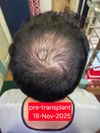
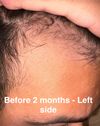
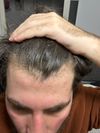
User tried dutasteride, topical finasteride, oral minox, dermawounding, saw palmetto, pumpkin seed oil, and ketacozonole for hair loss. Improvement was temporary, now trying RU58841 and seeking help.
A user's 12 month progress on finasteride and 10 months of microneedling for hair loss treatment, which has resulted in improved temple areas with no side effects from the finasteride. They have not used minoxidil yet but are considering it for further gains. DHT blocking drugs such as finasteride and dutasteride are recommended to maintain regrowth results.
A 35-year-old with alopecia areata has tried finasteride, topical and oral minoxidil, and dutasteride without success in stopping hair loss. The dermatologist suggests JAK inhibitors, but they are too costly, leading to uncertainty about the cause of hair loss.
The user stopped taking oral finasteride due to side effects like brain fog and worsened varicocele but continued using topical minoxidil. They are considering using a lower dose of oral finasteride or making a topical version to manage hair loss without severe side effects.
A 28-year-old male shares his 7-month progress after a crown hair transplant, using topical minoxidil foam, finasteride, and microneedling. He seeks feedback on whether his crown's progress is typical and if further thickening is expected between months 7 and 12.
The user is considering simplifying their post-hair transplant regimen, which currently includes oral finasteride, topical minoxidil, and has topical finasteride and dutasteride available but unused. They seek advice on whether to maintain or adjust their treatment plan to achieve the minimum effective treatment.
The user is experiencing potential side effects from a 3-in-1 pill containing Finasteride, Minoxidil, and Biotin, including dizziness, blurry vision, and reduced libido. They are considering tapering off the medication as advised by their dermatologist to see if symptoms improve.
The user shared progress pictures of hair growth over several months using dutasteride, finasteride, oral minoxidil, and ketoconazole. They asked for feedback on their progress, while another user suggested using a derma pen and mentioned personal experiences with hair treatments.
Low doses of dutasteride are as effective as higher doses for hair regrowth, with fewer side effects. Users find success taking it 2-3 times a week instead of daily.
Using a combination of low-dose oral and topical finasteride, along with minoxidil, may effectively manage hair loss by targeting both systemic and local DHT. Users report positive experiences with this regimen, noting good tolerability and no worsening of hair condition.
The user is using Minoxidil, Finasteride, a dermaroller, vitamin D, and anti-hair loss shampoo for hair loss treatment. They are seeking feedback on whether there is improvement after two months and if noticeable results can be expected within six months.
A user shared their hair loss treatment regimen, which includes minoxidil, finasteride, ketoconazole shampoo, stemoxydine, and microneedling, and reported promising results. Other users complimented the progress.
A 34-year-old man has used finasteride for 10 years and dutasteride for 1 year to manage hair loss, experiencing minimal side effects and slight hair thinning. He plans to continue using finasteride, ketoconazole shampoo, and oral liquid finasteride, noting that cost and convenience influenced his dosage choices.
Finasteride is likely causing beard thinning due to its anti-androgen effects, which reduce DHT levels necessary for thick facial hair. Some users suggest using minoxidil to potentially counteract this effect, while others note that stopping finasteride may allow the beard to regrow.
The user underwent a DHI hair transplant with 3,066 grafts at Hairtec in the Netherlands and is using finasteride and minoxidil to restore hair, particularly at the crown. They plan to adjust minoxidil dosage and consult with a dermatologist in September.
A 25-year-old male with androgenetic alopecia experienced improved hair condition after using finasteride, oral minoxidil, and dutasteride, but later faced diffuse thinning and texture deterioration after a shedding phase. Others suggest patience, continued treatment, and using ketoconazole shampoo, with some sharing similar experiences of post-shed thinning.
A 23-year-old shared progress pictures after 9 months of using dutasteride and 8 months of applying minoxidil once daily due to scalp psoriasis. Users complimented the results and discussed lighting effects on hair appearance.
A user is concerned about worsening hair loss despite using oral finasteride, oral and topical minoxidil, microneedling, keto shampoo, and vitamin D for almost a year. Suggestions include switching to dutasteride, continuing minoxidil, and considering different styling or haircuts.
The user is using oral finasteride and minoxidil, microneedling, and plans to add topical minoxidil to boost hair growth. They are considering adding tretinoin but are unsure if it's necessary.
The user is using finasteride for hair loss and is frustrated with shedding but plans to add oral minoxidil for convenience and safety. There are concerns about using topical minoxidil around pets.
Finasteride is effective and affordable for preventing hair loss but may cause side effects like low libido. Some users combine it with minoxidil for better results, while others consider alternatives like dutasteride due to side effects.
The user has been experiencing continuous hair loss despite using finasteride, minoxidil, and dermastamping. They are seeking advice on what to do next.
A 35-year-old is using finasteride, oral and topical minoxidil, dermarolling, Nizoral shampoo, and rosemary with biotin oil to address hair thinning. They are considering the effectiveness of their current regimen and contemplating adjustments, such as discontinuing topical minoxidil or trying dutasteride for better results.
The user is using dutasteride, estradiol cypionate, microneedling, oral minoxidil, and plans to add ketoconazole for hair regrowth. They are questioning if the improvement is due to actual regrowth or just better photo angles.
The user is experiencing continued hair loss despite using dutasteride and oral minoxidil, and is considering adding finasteride or adjusting their current treatment. They are seeking advice on whether to change their approach due to lack of improvement, especially at the temples and crown.
A user shared their 3-month hair growth progress using topical minoxidil, finasteride, Dermazole Ketoconazole shampoo, and a derma stamp. They reported no side effects and continued dandruff despite using the shampoo.
A nearly 50-year-old male achieved significant hair regrowth and thickening over three years using daily finasteride, twice-daily topical minoxidil, and bi-weekly microneedling with a dermastamp. He experienced no side effects and found microneedling particularly effective for the crown area.
A user shared their 6-month progress using daily oral dutasteride and minoxidil, along with monthly mesotherapy including zinc, dutasteride, minoxidil, biotin, and panthenol, reporting no noticeable side effects. Encouragement was given to continue despite potential hair shedding.
A user shared an extensive hair loss treatment regimen including dutasteride, minoxidil, tadalafil, RU58841, microneedling, and various topical and oral supplements. Responses varied, with some suggesting the regimen is excessive and others offering additional advice or expressing skepticism about its practicality and effectiveness.
High-dose Dutasteride slightly reduces scalp itch, but adding RU58841 eliminates it completely. Some users report reduced itchiness and oiliness with Dutasteride, while others find topical anti-androgens more effective.