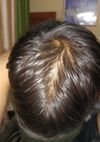
Pyrilutamide 0.9% (kx-826) is available for shipping to Europe from Amazon US and Koshinemall. Shipping costs and availability vary between the two shops.
The user has been using a treatment of 0.1% topical finasteride, 5% minoxidil, dermastamping, and vitamin D3 supplements for 85 days and is seeing good progress. Other users note the effectiveness of topical finasteride despite it being less potent.
A user is asking about the effectiveness and dosage of RU58841 for hair loss, comparing it to Minoxidil and discussing its long-term use alongside Finasteride. They plan to use RU58841 and Finasteride for several years before potentially switching to GT20029.
A user is asking if Minoboost F, a topical solution with 5% Minoxidil and 0.1% Finasteride, is effective or a scam due to the lack of online reviews. They seek opinions and reviews from others.
The user is using a hair recovery treatment with 0.5 mg dutasteride, 5 mg biotin, 5% topical minoxidil, and dermarolling twice a week. They are considering using a 1.5 mm dermaroller and red light therapy.
A user shared their progress using 1.25g finasteride daily for 3 years and 5g oral minoxidil for 10 months, reporting positive results. They seek advice on further improving their hairline, with no significant side effects mentioned.
The user is seeking an alternative to DualGen 15 that includes Minoxidil and Retinol but is less sticky and more convenient to use. They find the current product inconvenient due to its stickiness and long wait time before washing.
The user is seeking alternative hair loss treatments due to side effects from finasteride and minoxidil. They are inquiring about the availability of gt20029 from u-lab.
The conversation is about making a topical solution from clascoterone powder, with references to using a RU58841 mixing guide for guidance. Concerns about product authenticity and bulk purchase requirements are also discussed.
The user experienced significant hair regrowth using 1mg finasteride daily for 3-4 years and added 2.5mg oral minoxidil for 5 months, which accelerated progress. They reported a slight decrease in libido but no major side effects, and found oral minoxidil more convenient than topical.
A 20-year-old diffuse thinner has been using finasteride for 8 months and is considering adding minoxidil to their routine. A user suggests incorporating minoxidil for quicker regrowth, despite the hassle of daily application, while continuing finasteride.
The user experienced hair regrowth after three months of using 1mg finasteride and inconsistent minoxidil. They plan to be more consistent with minoxidil application to improve results further.
User experienced significant hair regrowth using 1.25mg Finasteride daily and Nizoral once a week for 15 months. Noticeable results appeared after 6 months, with no side effects reported.
The user is experiencing progress in hair regrowth using 1 mg finasteride and 5 mg minoxidil, with no side effects reported. There is a discussion about whether to switch from finasteride to dutasteride, but many advise against it since finasteride is showing good results.
PP405 is ineffective for miniaturized, fibrosed hair follicles in androgenetic alopecia. AMP303 may activate hair follicle stem cells, but minoxidil and finasteride are still the main treatments.
A 22-year-old male has been using oral finasteride (1.2mg) and oral minoxidil (2.5mg) daily for 3.5 months, along with vitamin D, fish oil, iron, and biotin, and reports significant hair growth without side effects. The user plans to continue the treatment and is considering cutting hair to assess progress more accurately.
A 32-year-old woman reported significant hair regrowth after 103 days of using 5% minoxidil once daily, along with biotin, iron supplements, and a balanced diet. She observed many new baby hairs and no bald spots, aiming for denser and longer hair while maintaining her regimen.
GT20029 shows promise as a topical treatment for hair loss, potentially replacing finasteride for some due to its low systemic exposure and ability to degrade androgen receptors. However, skepticism remains about its long-term efficacy and availability, with some users expressing doubt about new treatments consistently failing to reach the market.
A user's experience with microneedling monotherapy and potential treatments such as finasteride, minoxidil, Stemoxydine, rosemary oil, peppermint oil, and RU58841 for reversing hair loss.
User shared progress pictures after 3 months using 5% topical minoxidil in the morning, 0.3% and 6% minoxidil topical spray in the evening, and Nizoral once a week. Photos show improvement in hair density.
A 24-year-old male doctor shares his 3-month progress using 0.5 mg oral finasteride and 5% topical minoxidil daily, noting some hair regrowth and incorporating microneedling. He prefers a "less is more" approach initially and discusses the potential benefits of oral minoxidil.
A 47-year-old has been using finasteride since December 2022 to treat hair thinning and has seen gradual improvement, especially between March and August. They take 1mg three times a week and have noticed increased hair density and thickness.
A user mixed a pyrilutamide solution and noticed undissolved powder at the bottom, questioning if this is normal and how long to wait before applying it. They wished others good luck with their treatments.
The conversation is about the FDA approval of WINLEVI for acne treatment and the anticipation of Breezula, a hair loss treatment using the same active ingredient, which may indicate a positive future for Breezula's release. There is disappointment that Breezula's results are not optimal, but it is seen as progress in hair loss treatment.
The conversation discusses alternatives to minoxidil for beard growth, focusing on a product called Neofollics Beard Growth Serum, which claims to be effective without using minoxidil. Concerns are raised about its ingredients and effectiveness, especially considering pet safety.
A 20-year-old male shared progress pictures after three months of using 1mg oral finasteride daily, 5% minoxidil twice daily, and a 1.5mm dermaroller weekly. He reported significant hair regrowth.
The conversation discusses how to mix pyrilutamide for hair loss treatment, suggesting a mixture of 500mg pyrilutamide with 70% ethanol and 30% propylene glycol, and a potential application dose of 1mL. The user has not personally used pyrilutamide but has researched its preparation and application based on others' experiences.
A 25-year-old male experienced hair regrowth after switching from topical minoxidil to a combination of topical minoxidil and oral finasteride, along with microneedling and multivitamins. He reported no significant side effects from finasteride, except mild discomfort, and emphasized the effectiveness of oral finasteride over topical solutions.
A user reported impressive hair regrowth after 5 months using finasteride 1mg daily, topical minoxidil 5% twice a day, and microneedling. They initially experienced shedding but now have minimal hair loss and no sexual side effects.
The conversation discusses the potential benefits of adding Vitamin B6 (P-5-P) to topical hair loss treatments like RU58841, finasteride, or minoxidil. The user suggests that Vitamin B6 might enhance these treatments by naturally lowering scalp prolactin.