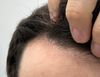
Pyrilutamide, a nonsteroidal antiandrogen drug under development for the potential treatment of androgenic alopecia. The conversation discusses its binding affinity to the androgen receptor and the timeline for possible availability after trials are completed in the United States and China.
The user has androgenetic alopecia (AGA) and low Vitamin D levels, and they started using topical minoxidil (5%). They are considering finasteride but are concerned about side effects and are advised to seek mental health support.
A 21-year-old male diagnosed with telogen effluvium and male pattern baldness started taking finasteride, which initially slowed hair shedding and slightly thickened hair. The doctor recommended iron and vitamin D supplements, and the user is considering minoxidil but wants to stabilize shedding first.
The conversation discusses how different factors can stimulate type 1 and type 2 isoforms of 5-alpha reductase, which are enzymes linked to hair loss. Specific treatments mentioned include oral Dutasteride and topical Finasteride.
PP405 shows promise in treating severe hair loss, with 31% of users experiencing over 20% hair density increase in four weeks, faster than minoxidil and finasteride. Some users are skeptical about the results' significance and long-term efficacy.
User applied Hims topical finasteride/minoxidil cocktail nightly, with weekly oil massages and ketoconazole shampoo. They also use vitamin D and biotin occasionally.
A 20-year-old is experiencing hair thinning and is considering Clascoterone and Minoxidil as treatments, avoiding finasteride due to concerns about fertility and hormones. A suggestion was made to use Clascoterone for local DHT targeting and combine it with Minoxidil for maintenance and regrowth while avoiding systemic side effects.
The user is experimenting with GHK-Cu and AHK-Cu to stop hair loss and promote hair growth, using a serum from Etsy and injectable GHK-Cu. They supplement this with dermastamping and ketoconazole shampoo.
The conversation is about using vitamin C and Magnesium L-Threonate for hair growth by reducing DHT binding to dermal papilla cells. The original post about vitamin C's pH levels and sebum control was possibly removed by a moderator.
The user shared their experience with CB-03-01 (Breezula/Clascoterone) for hair loss, noting reduced shedding and improved hair appearance but experiencing significant sleep disturbances and low energy due to HPA axis suppression. They decided to stop using it due to these side effects and are waiting for GT20029 as an alternative.
Hair regrowth treatment involving 3aHSD enzyme shows 6% improvement in 18 weeks. Sulforaphane, L-Menthol, and Dexpanthenol are potential ingredients for new hair loss solution.
The conversation is about using micro needling and PTD-DBM for hair loss treatment. The user applies PTD-DBM drops on weekdays and performs micro needling weekly.
Hyperbaric Oxygen Therapy (HBOT) is discussed as a potential treatment for androgenic alopecia due to its ability to reverse hypoxia and promote angiogenesis. The conversation explores its potential benefits for hair loss, though no studies have been conducted on this application yet.
The conversation discusses positive initial trial results for GT20029, a topical compound for hair loss that degrades androgen receptors, potentially requiring only weekly application. Participants express hope for this treatment to be more effective and convenient than current options like Minoxidil, Finasteride, and RU58841.
A study that outlines the full model for androgenic alopecia (AGA) which links DHT to cellular senescence in dermal papilla cells, and suggests black chokeberry as a source of cyanidin 3-O-arabinoside polyphenol with potential anti-oxidant properties that could reverse this process. The post encourages reaching out to experts in anti-aging and longevity to research treatments involving the polyphenol.
The conversation is about the effectiveness of Maneup GHK-Cu hair growth serum, a topical treatment for hair loss. The user is considering trying it but is skeptical due to issues others have had with DIY injections of a similar substance.
A 29-year-old is using oral minoxidil, finasteride, hormone replacement therapy (HRT), and microneedling for hair regrowth. They started balding at 20, worsened at 25, and are transitioning with testosterone blockers.
Hair loss due to DHT is causing distress, with Minoxidil, finasteride, and RU58841 being potential treatments. The conversation includes humor and frustration about the topic.
Microneedling once a week at 1mm caused bumps, possibly scars, in the treated area. The user is considering cleaning the skin before microneedling to prevent this issue.
The user reported progress with hair regrowth using a topical solution combining finasteride and minoxidil, but experienced scalp irritation which improved after adjusting the treatment. They are considering microneedling but are concerned about the risk of scarring.
The user shared progress pictures after 5 months of using 1mg finasteride, weekly 1.5mm microneedling, and daily 2mg copper peptide injections. They discussed their hair loss treatment and results.
Whether topical caffeine can be as effective for hair growth as minoxidil and finasteride, with various replies discussing the efficacy of these treatments and criticism of Dr. Huberman's research methods.
A 30-year-old male with thinning hair and an itchy, oily scalp found that hydrocortisone cream eliminated dandruff and itching and seemed to thicken his hair. He avoided minoxidil and finasteride due to potential side effects and noted that Nizoral and Head & Shoulders worsened his symptoms.
Minoxidil and finasteride are being considered for hair loss due to seborrheic dermatitis and male pattern baldness. The user is also using ketoconazole and zinc pyrithione shampoo.
A user shared their experience with hair loss treatments, including I-PRF injections, mesotherapy, and a topical solution containing Minoxidil and Finasteride. After experiencing side effects, they decided to stop the medicinal treatments and focus on natural alternatives like I-PRF, microneedling, and essential oils.
PP405 is a potential hair loss treatment undergoing trials, with discussions on its effectiveness and comparison to existing treatments like finasteride and minoxidil. There is skepticism about its status as a cure, with hopes for future advancements in genetic treatments like CRISPR.
CRISPR treatments for blood disorders have been approved, leading to discussions about its potential for treating hair loss (AGA). A study showed that editing a gene related to DHT sensitivity could lead to hair regrowth, suggesting CRISPR may eventually be used for AGA, but it's expected to be expensive and not soon available.
A user is participating in a phase 3 trial for Clascoterone, a topical acne medication that may stimulate hair growth, and will share results after 6 months. They will have a section of their hair shaved and marked with a tattoo for the study.
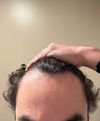
![[GHK-Cu+AHK-Cu experiment] Stopping hair loss and promoting hair growth](/images/assets/a2fe9e48-31eb-4e92-a763-614a7d32f7cd/small/20559.jpg)