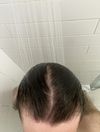
A user trying various treatments for hair loss, such as minoxidil, stemoyxidine, alfatradiol, and microneedling, with plans to add tretinoine and finasteride.
Adding melatonin to topical hair loss treatments like Minoxidil can promote thicker hair growth, with the only side effect potentially being improved sleep. Melatonin is affordable and easy to mix into solutions.
The post discusses Dr. Rassman's advice on microneedling for hair loss, suggesting holding a Dr Pen with 36 needles in one spot for 10 seconds. The conversation includes differing opinions on this method, with one user explaining the importance of dipping the pen rather than swiping to avoid abrasions.
The conversation discusses hair loss treatments, specifically using 5% minoxidil foam, Vitamin B12, and Vitamin D, with suggestions to add oral finasteride and minoxidil for better results. Concerns about side effects, particularly from finasteride, and the need for a DHT blocker are also highlighted.
A user shared their one-month progress using Minoxidil and RU58841 for hair loss, noting significant shedding after micro-needling and seeking opinions on their regrowth. They stopped micro-needling and added RU58841 to their treatment.
The user is experiencing worsening hair loss despite undergoing monthly injectable finasteride, clay masks, laser therapy, and microneedling. They are concerned about severe shedding in areas not typically affected by male pattern baldness and are considering seeking a second opinion.
Microneedling combined with minoxidil is helping users see hair growth progress. One user reported significant results after two months of using oral minoxidil and microneedling.
Mixing tretinoin with minoxidil for hair loss treatment. Some users prefer separate application or professional compounding due to potential solubility issues.
User shared progress pictures after 5 months using 5 mg oral minoxidil, a topical formula with 8% minoxidil, 0.1% finasteride, and 0.01% tretinoin, and a 1.5 mm Dermapen every other week. The conversation discusses the effectiveness of this regimen for hair loss.
A user shared a 1.5-year hair loss treatment progress using 1mg Finasteride and 5% Minoxidil, planning to switch to oral Minoxidil and considering adding RU58841. They saw gradual improvement, suspecting Finasteride as the main contributor since they might not respond to topical Minoxidil.
A 26-year-old shared their 2-month progress using finasteride, minoxidil, microneedling (1mm weekly), and vitamin D3 for hair loss. They are pleased with the results.
Hmi115, a prolactin receptor blocker, showed promise for hair growth, but results from Phase 2 trials have not been published. ABS-201, an AI-based analog, is expected to begin trials in December 2025, while commercialization of treatments like PP-405 is anticipated around 2027.
A user discusses their rapidly receding hairline and a prescribed topical solution containing 7% Minoxidil, 0.1% Finasteride, and 3% biotinoyl tripeptide. The solution is a custom compound from their dermatologist, costing $50 for a one-month supply.
A user's progress with hair loss treatment, which includes taking 1/2mg of Fin/Min orally daily and using 5% topical Minoxidil in the evenings; additionally, micro-needling is performed fortnightly, along with 2 Nizoral washes per week.
A 35-year-old male uses topical minoxidil, spironolactone, and microneedling for hair loss, with spironolactone prescribed based on a DNA test indicating poor response to finasteride and dutasteride. Despite concerns about the test's validity and spironolactone's side effects, he reports stable or improved hair condition and no low testosterone symptoms.
The conversation discusses the effectiveness of commercial Low-Level Laser Therapy (LLLT) devices for hair growth, suggesting they are underpowered compared to the ideal energy output shown in medical research. A user plans to build a custom helmet that meets the required specifications for effective treatment.
The user has been using 3mg oral minoxidil, 1mg finasteride, microneedling, and topical 5% minoxidil for hair loss. They are unsure about the results, noticing some regrowth but feeling dissatisfied overall.
Someone's two-month progress using oral minoxidil (2.5mg ED) to treat hair loss, which has resulted in thicker eyebrows and eyelashes but no scalp changes or shedding.
The conversation is about using RF microneedling with ExoHealer, along with finasteride and minoxidil, to improve hair thickness and reduce shedding. The user reports noticeable improvements in scalp texture and oiliness, with plans to consider stem cell treatments in the future.
The user has seen good progress in hair density after almost 10 months using 0.6 mg oral minoxidil, 1.25 mg oral finasteride every other day, and topical minoxidil twice daily, along with weekly derma stamping. They experienced side effects with higher doses of minoxidil and encourage others to try these treatments.
Minoxidil 5% is no longer effective for the user, who is considering stronger minoxidil or oral options despite availability issues. Suggestions include trying minoxidil 15%, oral minoxidil, microneedling, and exploring other treatments like finasteride and dutasteride.
The user is experiencing hair loss and is using oral treatments including 5mg minoxidil, 1.1mg finasteride, and 1mg biotin daily. They are considering adding dutasteride and possibly a hair system, while others suggest patience and additional treatments like microneedling.
The conversation discusses affordable low-level light therapy (LLLT) products for hair loss, with users debating the effectiveness of red LEDs versus lasers. The original poster is already using finasteride, minoxidil, ketoconazole, and microneedling, and is seeking budget-friendly LLLT options to add to their regimen.
Switching from topical to oral minoxidil and whether to continue microneedling. Users suggest using a derma stamp instead of a roller for better results and safety, and some recommend combining it with oils like rosemary.
User noticed tiny dots on their head after using 0.5% dutasteride and 8% minoxidil, which others identified as developing hair follicles. Encouragement was given to continue the treatment.