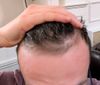
A hair tattoo substitute for a hair transplant, which many people felt was not a good idea. Several treatments were suggested as alternatives, such as Scalp Micro Pigmentation (SMP) and wigs.
A user who has seen positive results after 7 years of treating their hair loss with Rogaine, Nizoral Shampoo, and finasteride. Other users have also shared advice about micro-needling in combination with minoxidil.
Asteride into your routine
In this conversation, the user Icy-Indication267 was asking when they should start finasteride to treat their hair loss, which had responded well to minoxidil after two months. Other users shared advice on incorporating micro-needling and topical finasteride into their routine for optimal results.
A user's progress after 15 months of using the "Big 3" treatments for hair loss (finasteride, minoxidil and micro needling) as well as Nizerol 2%. The post encourages others to seek out available information on hair loss treatment and reassures them that if it doesn't work, it is only hair.
This user is considering using Finasteride and Minoxidil to treat their hair loss, with various opinions being shared about the effectiveness of each treatment. Others suggest that Micro-needling might also be an option for them.
A user's experience with a hair transplant procedure and the resulting appearance of their hairline, which included some micro irregularities to make it look natural. Other users asked questions related to cost and safety of similar procedures at different clinics.
The conversation is about the risks and uncertainties of using oral Minoxidil for hair loss, emphasizing that topical Minoxidil may be just as effective. It also mentions alternative treatments like micro-needling and retinol.
The user shared their experience with hair loss treatments, including finasteride, minoxidil, and a detailed hair care routine involving conditioners, oils, and micro-needling. They reported significant improvement in hair thickness and reduced shedding after adopting these practices.
A user's experience with hair loss treatments, including finasteride, minoxidil, dutasteride, biotin and micro needling; the user is concerned about their hairline after switching to dutasteride and oral minoxidil. Responses suggest that this could be just a shed and offers advice on how to possibly address it.
The user is taking finasteride 1mg from Blink pharmacy, sourced from Ascend Laboratories, with no noticeable side effects after 5 months. They also use Kirkland foam minoxidil, micro needling, and various supplements for hair treatment.
A user expressed frustration with hair loss treatments, including finasteride, minoxidil with micro-needling, and RU58841, which all failed to stop hair thinning and miniaturization. Suggestions from others included accepting baldness, considering hair systems, and continuing prescribed antidepressants for depression.
The user started oral finasteride to improve hair regrowth, especially in the crown area, after only seeing some maintenance and regrowth with a regimen of micro-needling, topical Dutasteride, and Rogaine. They were initially concerned about side effects but decided to proceed after research and consultations.
A 31-year-old man shared his 2.6-year hair loss treatment progress, using 1 mg of finasteride daily, micro-needling every other week, and biotin vitamins, with no side effects and varying amounts of shedding. Other users discussed their own experiences with hair loss treatments, including the use of oral minoxidil and the long-term effectiveness of finasteride.
The conversation discusses using 23andme to determine if someone might respond well to minoxidil for hair loss treatment, and mentions the user's personal experience with micro-needling and minoxidil.
User discusses trying Low Level Laser Therapy (LLLT) for hair loss and its high cost. Another user shares their experience combining micro needling, minoxidil, and LLLT, seeing positive results after 2 months.
Topical melatonin may help reduce hair loss and increase hair thickness in people with androgenetic alopecia (AGA), with some studies showing positive results. It can be mixed with minoxidil for application, and its effectiveness might be enhanced when used with micro-needling, but results may vary among individuals.
The user stopped using finasteride and RU58841 and is considering CB-03-01 for androgenic alopecia but is concerned about the cost and effectiveness, especially at a lower dose than in clinical trials. They are also using minoxidil, micro-needling, and nizoral shampoo but are unsure about the correct application method for CB-03-01.
A 17-year-old is considering finasteride for hair loss but is advised to wait due to potential hormonal effects at a young age. Alternatives like minoxidil, micro-needling, vitamins, and lifestyle changes are suggested instead.
A 21-year-old male experienced side effects from topical finasteride and is seeking alternative treatments to maintain hair until Breezula is available. He is considering using minoxidil, Nizoral, micro-needling, and vitamin D supplementation, and may try CB or RU58841 if necessary.
The user successfully overcame finasteride side effects by lowering the dosage and adding zinc and vitamin B6 supplements. They also micro-dosed dutasteride and resumed weight lifting.
A user discusses their experience with hair loss and treatments, including minoxidil, micro needling, rosemary oil, dietary supplements, and topical finasteride (Morr-F). They emphasize the impact of lifestyle on hair health and express hope for improvement with the new treatment.
The conversation is about using topical valproic acid (VPA) for hair loss, focusing on its application method, usage frequency, and combination with other treatments like micro-needling. No specific experiences with VPA were shared.
A 24-year-old male has been using finasteride for 7 months and noticed thinning hair, especially when wet, and is concerned about the effectiveness of the treatment. Suggestions include continuing finasteride, considering minoxidil, and possibly trying micro-needling.
The user is concerned about hair loss, particularly at the crown, and is using topical finasteride and ketoconazole shampoo but avoids minoxidil due to side effects. Opinions vary, with some suggesting the hair looks worse, while others see no change or slight improvement; additional treatments like oral finasteride and micro-needling are suggested.
A 27-year-old is experiencing hair thinning and receding, currently using finasteride and planning to start minoxidil. They seek advice on hairline treatment options, including styling, PRP, peptides, and micro-needling.
People with diffuse thinning and retrograde hair loss are discussing treatments like finasteride, minoxidil, and dutasteride, with some reporting improvements and others experiencing issues like scalp inflammation and increased sebum. Suggestions include addressing scalp inflammation, considering gut health, and possibly using topical antiandrogens or micro-needling.
Hair looks thinner in sunlight, and users discuss using hair fibers, minoxidil, finasteride, and considering dutasteride for hair loss. Hair fibers like Toppik help conceal thinning, and some users suggest additional treatments like derma stamping and micro-needling.
Saw palmetto can help reduce DHT levels and may work in combination with other supplements like beta sitosterol and pygume, but it's less effective than finasteride. Additional treatments like pumpkin seed extract, zinc, biotin, essential oils, scalp massages, and micro-needling can support hair health, but should not replace existing treatments like finasteride.
A user is treating hair loss with daily 0.5mg Dutasteride, 5mg oral Minoxidil, topical Minoxidil and Dutasteride, 520mg Saw Palmetto, 5mg Biotin, and 0.8mg Folic Acid. They plan to start weekly micro-needling and mix Minoxidil with Tretinoin.
The user is using finasteride, dutasteride, Nizoral, biotin, RU58841, minoxidil, Pantostin/Alfatradiol, Stemoxydine, and micro needling for hair loss. They are considering adding oral minoxidil.