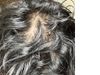
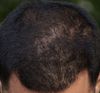
Minoxidil foam and oral finasteride resulted in significant hair regrowth, especially on the hairline, with no side effects from finasteride. The user applied Rogaine 5% for minoxidil.
The user shared positive results from using Minoxidil twice daily, Finasteride 1mg, and microneedling for hair loss, noting improved hair density and mental health. They emphasized the importance of consistency and patience, mentioning initial shedding phases but no significant side effects.
The user reports promising hair regrowth without using finasteride, focusing instead on microneedling, dermarolling, minoxidil, tretinoin, scalp massages, and red light therapy. They emphasize consistency and a healthier, side-effect-free approach.
The user experienced hair regrowth using a routine of topical minoxidil, dutasteride, and microneedling, and is considering adding a peptide product for increased hair density. Other users suggest maintaining the current routine, monitoring heart health due to oral minoxidil, and considering cost-effective alternatives.
The user experienced hair thickening after two years of using finasteride and minoxidil, despite having a stubborn thin crown. They plan to try microneedling to potentially improve results further.
Revivhair serum is discussed as a potential treatment for mild hair thinning, but skepticism exists about its effectiveness without proven treatments like finasteride, dutasteride, or minoxidil. Users share experiences with various treatments, noting side effects and exploring alternatives like topical dutasteride and alfatradiol.
Microneedling can aid hair regrowth but poses risks like permanent hair loss if not done properly. Combining it with minoxidil, finasteride, and tretinoin, while ensuring proper sterilization and technique, is crucial for safety and effectiveness.
The user is experiencing significant hair regrowth using 1mg oral finasteride, 1.25mg oral minoxidil, 5% topical minoxidil, biotin, vitamin D3, fish oil, and weekly microneedling with a 1mm needle roller. They report no major side effects, except for slight hair growth near the eyebrows, and are pleased with the progress.
The user reported significant hair regrowth progress using oral minoxidil 3mg and dutasteride daily since November. Others shared mixed experiences with treatments like finasteride, minoxidil, and dermarolling, with some seeing no progress or continued hair loss.
The user is considering blood tests to understand their receding hairline and is exploring brewer's yeast for its biotin content. They have been using topical Minoxidil, biotin, collagen, and microneedling, but are avoiding oral Finasteride and Dutasteride.
People noticed fuller hair after using 1mg oral finasteride, 1ml topical minoxidil daily, microneedling, and Nizoral shampoo. Users shared their experiences and were generally open about their treatments.
The conversation discusses using daily microneedling at 0.25mm and red light therapy to enhance hair regrowth, especially when traditional treatments like finasteride and minoxidil become less effective. The combination is said to improve hair density and thickness, with red light therapy being more cosmetic, while microneedling is essential for challenging areas.
A 24-year-old is experiencing hair loss and is considering microneedling due to side effects from finasteride and saw palmetto. They are contemplating combining microneedling with a 3-in-1 treatment to manage hair loss until age 30.
Microneedling alone can stimulate hair growth and enhance the effectiveness of minoxidil. Combining microneedling with minoxidil is more effective than using minoxidil alone.
The user experienced significant hair regrowth using finasteride and minoxidil, leading to doubts about proceeding with a planned hair transplant. Many suggest postponing the transplant to save grafts for future needs, as the current results are impressive.
A 27-year-old user shared their 5-month progress using 1mg finasteride daily and 5% minoxidil twice a day for hair loss, reporting improved hair growth despite initial shedding and experiencing only minor side effects like watery semen. They also use Nizoral shampoo, take a multivitamin, and plan to start microneedling if progress slows.
A 42-year-old uses dutasteride, topical minoxidil, microneedling, and dermastamping for hair regrowth, reporting no side effects and noticeable progress over two years. The user takes 0.5mg of dutasteride and varies microneedling frequency, seeing early signs of new growth.
The user experienced significant hair regrowth using a treatment regimen including finasteride, oral and topical minoxidil, RU58841, red light therapy, microneedling, and various supplements. They switched from dutasteride to finasteride due to side effects and reported improved results and well-being.
The conversation discusses hair regrowth progress after 1.5 months of using finasteride only, with suggestions to add minoxidil and microneedling for better results. Users recommend patience, consistency, and consulting a professional before making changes to the treatment plan.
Topical finasteride can be as effective as oral finasteride for hair regrowth with fewer systemic side effects, but precise dosing is essential. Combining oral dutasteride with topical finasteride is not recommended due to dutasteride's stronger inhibition.
A user shared their 15-month progress after a hair transplant in Turkey, using 4200 grafts, topical Minoxidil, and Finasteride, and considering switching to oral Finasteride. They are mostly satisfied with the results but are contemplating further treatment for better density.
The user is using a combination of oral Dutasteride, topical Minoxidil, Ketoconazole shampoo, and other supplements for hair regrowth, with plans to start microneedling. Some users see progress and suggest microneedling to enhance results, while others note that significant changes may take more time.
A user reported impressive hair regrowth after 5 months using finasteride 1mg daily, topical minoxidil 5% twice a day, and microneedling. They initially experienced shedding but now have minimal hair loss and no sexual side effects.
Microneedling's effectiveness for hair growth is debated, with some suggesting it enhances minoxidil absorption, but evidence is inconclusive. Concerns exist about its impact on hair transplants, and opinions vary on its use with other treatments like RU58841 and stemoxydine.
The user experienced significant hair regrowth using dutasteride 0.5 mg daily, 5% topical minoxidil twice a day, and microneedling over several months. They also used ketoconazole shampoo and rosemary oil, reporting some side effects but overall positive results.
Intense microneedling with heavy pressure and bleeding did not improve hair growth after 4 months. The user advises against this method, noting no benefits and potential harm, and mentions using minoxidil without success.
A 29-year-old male with androgenic alopecia was treated with oral Dutasteride, oral Minoxidil, and injectable Dutasteride, showing progress in 9 months. Some users believe Dutasteride mesotherapy is unnecessary and question its effectiveness compared to topical applications.
Significant hair regrowth was achieved using 0.5mg oral finasteride, a topical mix of finasteride and minoxidil, and dermastamping. Initial side effects like achy testicles were managed by adjusting the regimen.
The user is happy with hair regrowth after using finasteride, minoxidil, and microneedling for three months. Others comment on the progress and ask about the routine, lighting, and potential side effects.
Significant hair regrowth was achieved over six months using minoxidil, finasteride, microneedling, biotin and collagen shampoo, and MSM powder. The user feels more confident and may consider a hair transplant if necessary.