The user experienced chest pain and increased heart rate after microneedling while using topical minoxidil for hair loss. They are unsure if minoxidil is effective without microneedling.
Upcoming hair loss treatments for those who can't tolerate DHT blockers, focusing on Minoxidil, microneedling, and ketoconazole. Promising treatments include GT20029, PP405, KX-826, and RU58841, though RU58841 may not be safe.
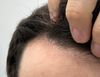
A 35-year-old male experienced significant hair improvement using microneedling, finasteride, minoxidil, and keto shampoo. He adjusted his microneedling routine for better results.
Microneedling frequency and depth, with suggested protocols involving 0.3mm every day before applying topical treatments like Minoxidil or Finasteride, and 0.5-1.5mm once or twice a month for wounding.
User is using a homemade topical treatment with .015% finasteride, 5% minoxidil, and microneedling at .75mm depth. They also use 2% ketoconazole shampoo, various oils, and are considering increasing finasteride concentration due to mixed results.
The user experienced side effects with both oral and topical finasteride and is considering making their own hair loss treatment using CB-03-01 (Breezula) mixed with minoxidil due to fewer reported side effects. They plan to use a lower concentration than what was used in trials.
After 8 months of using topical finasteride, hair miniaturization continues, raising concerns about its effectiveness. Microneedling is suggested as a possible complementary treatment.
User tried microneedling with min and fin for hair loss, experienced inflamed scalp and dandruff. Recommends proper disinfection of microneedler to avoid issues.
Minoxidil may suppress androgen activity in hair follicles, potentially aiding in hair growth and prostate cancer treatment. Users discuss the effectiveness of minoxidil and finasteride for hair maintenance and regrowth, with some preferring topical applications over oral due to safety concerns.
Choosing between KB and PG solutions for applying RU58841, considering factors like scalp oiliness and absorption. Some users prefer KB for being gentler, while others use PG and recommend washing hair before application for better results.
A 33-year-old male is documenting his hair regrowth progress using minoxidil, red light therapy, copper peptides, and micro-needling, with noticeable improvement in hair thickness and coverage. He plans to add a topical finasteride/minoxidil spray and aims for a shadow on his scalp rather than a full head of hair.
Microneedling combined with tretinoin is discussed for its effectiveness in treating hair loss. Minoxidil, finasteride, and RU58841 are also mentioned as potential treatments.
Finasteride effectively treated hormonal acne for multiple users, including the original poster. Topical treatments like Winlevi are effective but expensive and not always covered by insurance.
Topical minoxidil can cause increased body hair due to systemic absorption, varying by individual skin sensitivity. The user seeks experiences and solutions to prevent this side effect.
The user experienced significant hair regrowth in two months using finasteride, topical minoxidil, and weekly microneedling, but developed dark spots on the scalp, possibly from irritation. They plan to try ketoconazole shampoo to address the issue and will consult a dermatologist.
The conversation discusses concerns about using hair fibers while microneedling, specifically the potential for clogging pores. It is suggested that microneedling should not cause bleeding.
The user is seeking an alternative to DualGen 15 that includes Minoxidil and Retinol but is less sticky and more convenient to use. They find the current product inconvenient due to its stickiness and long wait time before washing.
The user experienced red pimples and a rash from using topical minoxidil, possibly due to propylene glycol. Suggestions included seeing a dermatologist, switching to foam without propylene glycol, using Nizoral, and adjusting application timing.
The user experienced hair growth improvement using a 1.25mm microneedle weekly, oral finasteride, oral minoxidil, and rosemary oil. They plan to switch to generic finasteride and minoxidil for safety concerns.
The potential of using a specific antibody, HMI-115, as a treatment for hair loss alongside traditional treatments such as minoxidil and finasteride. The user suggests trying either a 240 mg or 30 mg dose to see if it works.
The user applied 5% minoxidil twice daily and microneedled approximately 1.5 times a month. They noticed some progress in hair growth, though they were unsure if it was due to treatment or hair length.
Users discuss their experiences with finasteride, expressing regret over delayed use due to misinformation and sharing mixed outcomes, including side effects and benefits. Treatments mentioned include finasteride, dutasteride, and minoxidil.
A 27-year-old has seen hair regrowth over 5 months using 2ml of 5% minoxidil daily, 50mg of RU58841 daily, and occasional microneedling. Commenters think the results are good and ask about microneedling frequency, needle size, and if ketoconazole shampoo is used.
A manager told an employee to stop using minoxidil, fearing it could unintentionally cause hair growth in others. The conversation is filled with humorous and sarcastic responses, questioning the manager's logic and suggesting the employee continue using the treatment secretly.
The conversation is about the effectiveness of topical azelaic acid in blocking DHT for hair loss treatment. Specific treatments discussed include Minoxidil, finasteride, and RU58841.
Microneedling can be effective for hair regrowth, especially when used with oils like castor, emu, and rosemary, but should be done with caution regarding needle size and frequency. Some users avoid minoxidil due to its side effects and cost, opting for alternatives like rosemary oil.
DHT may inhibit hair growth by affecting mitochondrial function, leading to hair follicle miniaturization. Treatments like minoxidil and PP405 may promote hair growth by altering metabolic pathways, potentially counteracting DHT's effects.
A 22-year-old has been using minoxidil and finasteride for four years with limited success and recently added microneedling to their regimen. They have seen some hair regrowth and are advised to continue using minoxidil alongside microneedling and consider lifestyle factors like diet and stress.
The conversation discusses hair loss treatments, specifically comparing Nanoxidil and Minoxidil. The user reports no benefits from either treatment and expresses concern about micro-needling worsening their condition.
The post and conversation discuss whether Minoxidil causes facial aging, with some users reporting no side effects and attributing negative effects to possible allergic reactions. The original poster suggests more research is needed to confirm any connection between Minoxidil and facial aging.