The conversation is about the potential aging effects of oral minoxidil on the skin. Users discuss their experiences, with some attributing skin changes to aging rather than minoxidil, and mention using tretinoin to improve skin appearance.
The user has been using finasteride for 2 years, nizoral for 1.5 years, topical minoxidil for 1 year, and microneedling for 3 months to treat hair loss but hasn't seen improvement or regrowth, even experiencing shedding with new treatments. They are concerned about continued thinning despite the treatments.
The user plans to stop finasteride after three months, believing hair loss isn't due to DHT, and will continue with oral minoxidil, microneedling, and ketoconazole shampoo. They suspect stress and poor nutrition are the main causes and seek opinions on DHT blockers' effectiveness.
A user had a bad experience with MV Supplements when their Pyril powder and ethanol order leaked during shipping, making the products unusable. Despite contacting support and providing evidence, the company's return policy did not allow for a refund or replacement.
User is experiencing hair loss despite using Minoxidil, finasteride, RU58841, dermarolling, and supplements like fish oil, collagen, hyaluronic acid, and biotin for over a year. They feel mentally distressed as their hair isn't growing longer and they avoid barbers and hats to hide thinning.
Dutasteride users have mixed results in hair loss treatment, with some experiencing improvements and others worsening. Some report metabolic changes like weight gain or diabetes, while others have no significant side effects.
Azelaic acid is discussed as a DHT inhibitor with no reported sexual side effects, but its effectiveness and absorption as a topical treatment are questioned. The user is interested in azelaic acid due to concerns about finasteride affecting penile health.
Parabens in Minoxidil are a concern for some users due to potential health risks. The conversation discusses the presence of methylparaben and propylparaben in a specific Minoxidil brand, Ylox.
Severe scalp itching and hair loss, possibly linked to seborrheic dermatitis, are discussed, with treatments like Dutasteride, Finasteride, and various shampoos mentioned. Some users find relief from itching with DHT blockers like Finasteride, while others suggest consulting multiple dermatologists for accurate diagnosis.
Finasteride and dutasteride, used for hair loss, can cause sexual dysfunction, depression, and suicidal thoughts, with some effects persisting after stopping. The post stresses the importance of being aware of these risks.
The user is experiencing continued hair loss despite using minoxidil, finasteride, tretinoin, and microneedling. They are considering a hair transplant due to lack of response to current treatments.
After taking finasteride for 192 days, the user experienced side effects like depressed mood and decreased libido, along with worsening hair thinning and scalp issues. Despite consulting a dermatologist, the user's hair condition and scalp itchiness have not improved.
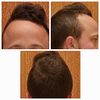
A user shared 4-month progress pictures using a daily Hims fin/min/ketoconazole/biotin hybrid spray for hair loss, reporting positive results. Suggestions included adding microneedling to the routine.
A user expressed frustration with hair loss treatments, including finasteride, minoxidil with micro-needling, and RU58841, which all failed to stop hair thinning and miniaturization. Suggestions from others included accepting baldness, considering hair systems, and continuing prescribed antidepressants for depression.
Microneedling for hair loss involves using a derminator pen at a depth of 1-1.5mm, typically once a week or biweekly, with a 12-24 hour wait before applying minoxidil. Cleaning involves alcohol wipes, and it's advised to change needles after each use and avoid styling products on the day of microneedling.
The user discusses switching from multiple vitamins to a single multivitamin pill. They also mention using oral finasteride and topical minoxidil with finasteride for hair loss treatment.
The user is experiencing a second hair shedding phase after 7 months on finasteride, oral minoxidil, and ketoconazole, and is concerned about the sustainability of the treatment. Others encourage continuing the treatment, explaining that shedding is normal and should stabilize over time.
The user experienced dryness and shedding with topical minoxidil and switched to oral minoxidil 2.5mg, seeking advice on what to expect. They are concerned about scalp health and looking for others' experiences with this change.
The user is using dutasteride, estradiol cypionate, microneedling, oral minoxidil, and plans to add ketoconazole for hair regrowth. They are questioning if the improvement is due to actual regrowth or just better photo angles.
People are humorously discussing unconventional and satirical uses of minoxidil, such as drinking it or injecting it, and the potential absurd consequences. The conversation also touches on the ineffectiveness and risks of these methods compared to proper topical application with microneedling.
A user reported a significant reduction in DHT levels after 3 months of taking 1mg/day oral finasteride, along with using minoxidil foam, microneedling, and Nutrafol vitamins. They hope this will lead to hair growth and less shedding.
The user feels discouraged after three months of microneedling with no visible hair regrowth, despite using 5% topical minoxidil and 200mg of spironolactone. Others suggest waiting 12 months for results, checking vitamin D levels, and considering tretinoin or tazarotene cream instead of microneedling.
A 32-year-old female seeks ways to lower DHT without weight gain, experiencing issues with spiro and saw palmetto. Suggestions include topical finasteride, low-dose oral therapies, and checking various health markers.
A user has been treating hair loss with finasteride for two years without success and is experiencing an itchy scalp with seborrhea. Despite low DHT levels, they are still losing hair, suggesting that DHT might not be the main cause of their hair loss, and they are considering other treatments or causes.
The conversation discusses why DHT (dihydrotestosterone) negatively affects scalp hair but promotes growth elsewhere on the body. Various opinions include genetic predispositions, differences in hair follicle reactions to DHT, and the potential role of Omega-3 in reducing inflammation and promoting hair health.
The user has been using 1mg finasteride every other day, 5% minoxidil daily, and microneedling every two weeks for three months to treat hair loss. They are happy with the progress and considering adding ketoconazole shampoo to their routine.
Excessive use of topical minoxidil led to unwanted facial changes and side effects. The user plans to switch to oral minoxidil with microneedling for hair regrowth.
The conversation discusses the side effects of finasteride, including low libido and erectile dysfunction, and the possibility of these effects being permanent, known as post-finasteride syndrome (PFS). Some users report personal experiences with PFS and debate whether the condition is real, with varying opinions on the reversibility of side effects and the role of individual biology.