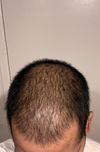
Oral minoxidil and vitamins reduced shedding for one user. Others distrust dermatologists and prefer personal research on treatments like finasteride and microneedling.
The conversation humorously discusses hair loss treatments, including finasteride, dutasteride, minoxidil, and microneedling. The user shares progress and thanks the pharmaceutical industry, with comments on the effectiveness and side effects of these treatments.
A 29-year-old male on 1 mg Finasteride for 3 months has experienced a significant increase in testosterone and estradiol levels, with no major side effects except slightly oilier skin and increased emotional sensitivity. The user is concerned about these hormonal changes and seeks advice, as their general practitioner is not knowledgeable about the issue.
A new hair loss treatment involving Keratin Microsphere Gel is discussed, with skepticism and jokes about its effectiveness and comparisons to other treatments. Users are doubtful and make light of the situation, referencing past disappointments and the study's focus on mice.
The conversation discusses various supplements and vitamins like Vitamin D3, K2, Biotin, Iron, Zinc, and B Vitamins for improving hair health. It also mentions a combination of Tocotrienols, Pycnogenol, Saw Palmetto, Pumpkin Seed Oil, Stinging Nettle, and Myricetin for stabilizing hair, with Saw Palmetto, Pygeum, and Stinging Nettle noted for thickening hair despite side effects.
A user shared their hair loss progress using minoxidil, biotin, finasteride, and ketoconazole, with 7 months of microneedling. They confirmed using oral treatments.
The user is experiencing chronic folliculitis with scalp sores and is concerned about a receding hairline. They have tried various treatments including antibiotics, Nizoral 2% shampoo, and lifestyle changes, but are seeking further advice.
Homelessness is humorously proposed as a solution to hair loss due to less grooming and stress. Treatments like Minoxidil and Finasteride are discussed, with genetics and lifestyle also considered important factors.
Dutasteride is associated with increased blood glucose, HbA1c, LDL cholesterol, and liver enzyme activity, potentially leading to diabetes, NAFLD, and liver metabolism changes. The conversation highlights concerns about these adverse effects and calls for more studies, including on finasteride.
The user is experiencing significant hair loss despite using treatments like finasteride, minoxidil, dutasteride, micro-needling, rosemary oil, and various vitamins. In the conversation, others suggest checking iron and hemoglobin levels, maintaining a positive attitude, and adding RU58841 to the treatment regimen.
A user experienced excessive hair shedding after taking 17 mg of Zinc gluconate daily for acne. They are seeking advice on similar experiences and solutions.
Intermittent fasting may inhibit hair growth by triggering a stress response that affects hair-follicle stem cells. Some users believe genetics and DHT play a larger role in hair loss, and treatments like Minoxidil and Finasteride are mentioned as ineffective for some.
The conversation discusses managing gynecomastia symptoms potentially caused by finasteride use, with treatments including reducing finasteride dosage, using DIM, ashwagandha, tamoxifen, epistane, and arimistane. Users share experiences and advice on balancing testosterone and estrogen levels to address symptoms.
User shared 6-month progress using Fin, Min, Microneedling, Biotin, and Ketoconazole Shampoo for hair loss. They microneedle once a week, use 1.25 mg Fin daily, and apply topical Min twice a day.
Hair loss is primarily genetic, and nutrient deficiencies are unlikely to be the cause. DHT inhibitors can slow hair loss, but concerns about side effects are common.
High sugar diets may worsen hair loss by increasing 5α-reductase activity and androgen levels, especially in women with PCOS. A low sugar diet might reduce scalp DHT levels, similar to finasteride, but genetics also significantly influence hair loss.
Dihydrotestosterone (DHT) impacts various skin conditions, including Androgenetic alopecia and seborrheic dermatitis, by causing overactivity in sebaceous glands. Topical medications Tacrolimus and Clobetasol can reduce these inflammatory conditions, and treatments like RU58841, Minoxidil, and Finasteride may also be beneficial.
Young men often lack awareness of hair loss treatments like finasteride and minoxidil, causing stress and anxiety. There is a need for increased awareness and early screening to address the psychological effects of hair loss.
The user is experiencing hair loss and is using Minoxidil once a day. They suspect Vitamin D deficiency and Seborrheic Dermatitis might be contributing factors.
Chime Biologics and Hope Medicine are speeding up the launch of a first-in-class antibody drug, HMI-115, for endometriosis and androgenic alopecia. The treatment involves a series of subcutaneous injections, has shown promising results in phase 1, and continues to promote hair regrowth even after the treatment is stopped.
The user lost ground on oral finasteride and plans to switch to topical finasteride/minoxidil and microneedling. They are curious if topical treatments are more effective than oral ones.
The user is concerned about hair loss despite using oral finasteride, oral minoxidil, and topical minoxidil. They are seeking advice on additional blood tests to identify potential causes.
Microneedling with finasteride, minoxidil, DMSO, and black seed oil shows mixed hair regrowth results. There are concerns about DMSO's safety and effectiveness.
A 43-year-old male with advanced hair loss is experimenting with alternative treatments, including red light therapy, microneedling, scalp massages, an oil mix, and ketoconazole shampoo, after previously experiencing side effects from finasteride and minoxidil. He noticed some minor changes with red light therapy but remains skeptical about significant improvement.
Controlling insulin levels through intermittent fasting and a low glycemic diet may improve hair quality by reducing androgens. It's important to maintain proper nutrition, including electrolytes and protein, during fasting.
The user has been taking 1mg finasteride daily for a year with no improvement in hair loss and reports low cortisol levels, sleep issues, and anxiety changes. The conversation includes discussions on the potential effects of finasteride on cortisol and neurosteroids, with suggestions to consult a doctor and consider other factors.
Transplanted hairs are thinning after switching from topical to oral minoxidil, with increased shedding and miniaturization. The user is considering reintroducing topical minoxidil and has started using ketoconazole shampoo.
A 21-year-old male diagnosed with telogen effluvium and male pattern baldness started taking finasteride, which initially slowed hair shedding and slightly thickened hair. The doctor recommended iron and vitamin D supplements, and the user is considering minoxidil but wants to stabilize shedding first.
A 30-year-old male experienced rapid hair shedding over 6-7 months due to stress, depression, and nicotine/alcohol use, but has since stopped these habits. He seeks advice on remedies, medications, or diet changes to address hair loss.