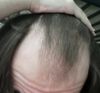
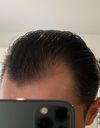
The conversation is about the potential of SCUBE3 to regrow a juvenile hairline. Specific treatments mentioned include Minoxidil, Finasteride, and RU58841.
A 32-year-old male shares his 7-month hair regrowth progress using 1 mg finasteride daily, 5% minoxidil twice daily, dermarolling every four days, 1.5% ketoconazole shampoo every three days, and zinc and vitamin D supplements initially. He applies minoxidil primarily to his temples and hairline, avoiding the crown, and reports significant improvement in diffusive thinning.
The user experienced increased hair miniaturization and shedding despite using finasteride, topical minoxidil, microneedling, and other treatments. They are considering more aggressive treatments or a hair system if no improvement occurs by the end of 2025.
The conversation discusses using USB microscopes for scalp photos and provides a link to an overview of trichoscopy. Treatments mentioned include Minoxidil, finasteride, and RU58841.
MCL-1 protein may help maintain hair follicles in the growth phase and prevent miniaturization. There is interest in experimental treatments like exosomes, peptides, or stem cell serums to upregulate MCL-1 for hair loss, especially for those not using minoxidil or finasteride.
The user is experiencing headaches and dizziness two weeks after starting finasteride at 1.25mg, concerned about potential brain fog affecting math studies. They mention hearing that headaches can be normal after starting finasteride.
Reducing scalp DHT doesn't directly correlate with preventing hair miniaturization, as different follicles have varying sensitivity levels. Dutasteride at 0.5 mg and 2.5 mg shows minimal visual difference in hair regrowth, with side effects being a consideration for higher doses.
Addressing hair loss by focusing on posture, blood flow, and craniofacial development. Methods include improving posture, cardiovascular activity, scalp massages, healthy diet, meditation, using minoxidil, and addressing craniofacial issues.
A 15-year-old experiencing severe diffuse thinning plans to use minoxidil, dermarolling, and possibly ketoconazole, with hopes to later incorporate finasteride. Concerns about starting finasteride too young and the need for a dermatologist consultation are discussed.
Finasteride is effective for DHT/AR-driven hair loss but not for chromosome 20-driven cases, where treatments like minoxidil, prostaglandin analogs, and low-level laser therapy may be more beneficial. Genetic testing can help determine the underlying cause of hair loss to tailor treatment effectively.
DHT may inhibit hair growth by affecting mitochondrial function, leading to hair follicle miniaturization. Treatments like minoxidil and PP405 may promote hair growth by altering metabolic pathways, potentially counteracting DHT's effects.
The user regained hair and reduced forehead size using a routine of 1mg finasteride, 5mg minoxidil, topical minoxidil twice daily, tretinoin before minoxidil, derma stamping weekly, red light therapy daily, and ketoconazole shampoo thrice weekly. They experienced initial side effects with finasteride but adjusted the dosage over time.
The conversation discusses the theory that scalp fibrosis contributes to male pattern baldness (MPB) by increasing DHT concentration, and mentions treatments like Minoxidil. The user seeks opinions on the theory and the effectiveness of scalp massages.
Minoxidil, often combined with microneedling, has helped some users improve hair growth at the temples and hairline. Finasteride is also mentioned as a treatment, with mixed results on its effectiveness.
The conversation jokes about using hair loss treatments like finasteride, minoxidil, and derma rolling on a baby, with suggestions ranging from starting treatment immediately to accepting baldness and focusing on other aspects of life. Some users suggest extreme measures like hair transplants in Turkey.
The user has been using finasteride for 16 months, minoxidil for 11 months, and started microneedling 2 months ago, experiencing shedding phases. They are questioning whether they are experiencing miniaturization or regrowth.
An 18-year-old is experiencing thinning hair at the crown and is concerned about early balding due to family history. They are using 5% minoxidil and considering adding finasteride to potentially regrow hair and block DHT.
The user is experiencing hair thinning and loss at the temples, likely due to androgenetic alopecia. Suggested treatments include finasteride and minoxidil to slow hair loss and promote regrowth, with buzzing hair short as a styling option.
A 21-year-old male diagnosed with telogen effluvium and male pattern baldness started oral finasteride, which initially slowed hair loss and slightly thickened hair, but experienced increased shedding after surgery. The doctor recommended iron and vitamin D supplements, and the user is seeking additional advice.
The conversation discusses concerns about brain fog potentially caused by finasteride use, with some users sharing personal experiences of cognitive issues and others suggesting it might be paranoia or unrelated. The original poster decides to stop using finasteride to see if their cognitive function improves.
The user experienced hair thinning in the middle of their head despite using finasteride and minoxidil and having a hair transplant. They are concerned about the thinning and considering shaving their head, while being advised to continue treatment and manage stress.
A 25-year-old male with seborrheic dermatitis and hair thinning seeks advice on the severity of his condition and treatment options. Oral finasteride and oral minoxidil are recommended as the most effective long-term treatments.
Topical finasteride as a potential alternative to oral finasteride for reducing DHT levels on the scalp with fewer side effects, and other hair loss treatments such as minoxidil.
Minoxidil and finasteride can help regrow hair, especially in thinning areas, but restoring completely receded temples is challenging and may require a hair transplant. Some users report success with these treatments, particularly when combined with microneedling.
User tried oral and topical finasteride for hair loss but experienced headaches and concentration issues. They ask for advice on whether to continue or try other treatments like alfatradiol, fluridil, or pyrilutamide.
The user started using finasteride, minoxidil, and biotin for male pattern baldness (MPB) and is experiencing rapid thinning. They are questioning if low blood flow to the head could be contributing to their hair loss.
The user has been using finasteride, ketoconazole shampoo, oral minoxidil, and minoxidil foam for hair loss but feels their hair is not as thick as desired. They have stopped using RU58841 due to lack of results and are concerned about hair miniaturization despite these treatments.
A 33-year-old male has been using finasteride 1mg for nearly 4 years, experiencing stabilized hair loss and some regrowth but also cognitive issues. He is considering reducing the dose or switching to topical finasteride with minoxidil to maintain hair while minimizing cognitive side effects.