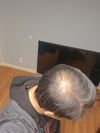
User made progress with topical Finasteride/Minoxidil and topical Dutasteride for hair loss. Microneedling at 1.5mm daily was also mentioned as part of the treatment.
Using minoxidil and finasteride to address hair loss, with questions about side effects and the possibility of microneedling for increased effectiveness.
Microneedling, when combined with finasteride and topical minoxidil, can enhance hair regrowth for male pattern baldness, especially at the temples. Users report varying success with needle depths between 0.5mm and 1.5mm, with stamps preferred over rollers to minimize scalp damage.
Emerging hair loss treatments like PP405, a topical MPC inhibitor, show promise in activating stem cells for hair growth. The conversation seeks information on the development stages and accessibility of these treatments.
A 42-year-old is using minoxidil for 1.5 years, recently started finasteride, and plans to use a microneedling pen on their scalp. They are seeking advice on regrowing hair.
A 29-year-old male is using topical minoxidil and microneedling for hair regrowth and is considering adding finasteride. Users suggest adding finasteride for better results.
A potential non-invasive topical treatment targeting the WNT Signaling Pathway for hair regeneration is being researched, with positive results on human hair follicle cells. Current effective treatments for hair loss include Minoxidil, finasteride, and hair transplantation.
The user experienced scalp inflammation and rapid hair loss after using minoxidil, despite initial success. Suggestions included switching to minoxidil foam, using oils, trying aspirin, and considering RU58841 for inflammation and hair loss management.
A 21-year-old started using topical minoxidil, finasteride (0.7 mg), and microneedling for hair loss treatment after beginning to bald at 18. They are eager to see the results after two months of treatment.
A user's success in hair regrowth after taking oral and topical medications, such as minoxidil and dutasteride, and using microneedling. Other users shared their experiences and advice with treatments used to reverse hair loss.
Significant hair regrowth was achieved using 1mg finasteride daily, 5% minoxidil nightly, and weekly 1.5mm microneedling, with no side effects. Topical minoxidil and microneedling are recommended for similar results.
Microneedling alone can stimulate hair growth and enhance the effectiveness of minoxidil. Combining microneedling with minoxidil is more effective than using minoxidil alone.
This conversation was about a user's progress pictures from using minoxidil and microneedling to treat hair loss. Other users suggested finasteride as an additional treatment, while cautioning that the drug could have permanent side effects.
After 8 months of using topical finasteride and minoxidil, along with derma rolling twice a week with 1mm needles, significant hair regrowth was achieved. The user applies two drops of finasteride daily and distributes it with fingers.
The user experienced significant hair regrowth and improved hair quality after six months of using oral minoxidil, finasteride, and micro-needling. They reported increased libido initially but no other side effects, and they plan to continue the treatment.
A user with long-term hair loss has been using topical minoxidil, finasteride, RU58841, ketoconazole, and dermastamping for 8 months. They are unsure if the new hairs are miniaturized or vellus.
The post discusses a user's 6-month progress using topical finasteride (0.08%) and minoxidil (5%) once a day, combined with scalp micropigmentation (SMP). The user hopes for improved hair growth as they let their hair grow out.
A 23-year-old has been using topical minoxidil for 8 months and recently added finasteride for 1 month to address hair loss. They are also taking "Foilhair A" and have started microneedling.
The "crunching" sound during microneedling is likely the needles penetrating the scalp's outer layers, not cutting hair. Users suggest using a derma stamp instead of a roller to avoid potential hair damage.
A physician experienced hair thickening and new growth using microneedling and minoxidil, but stopped using topical finasteride due to side effects like reduced libido and erectile dysfunction. The physician plans to continue with microneedling and minoxidil, considering finasteride nonessential for cosmetic purposes.
After 7 months of using topical finasteride/minoxidil, microneedling, and Nizoral shampoo, the user believes they are seeing hair regrowth. They are seeking further advice to improve their results, excluding hair transplant options.
A 26-year-old uses topical minoxidil, oral finasteride, and Nizoral shampoo for hair thinning and is considering microneedling but is unsure about the best approach. Users suggest using a 1.0mm dermaroller once a week, cautioning against overuse due to potential scarring, and some recommend combining microneedling with minoxidil for better absorption.
Microneedling and tretinoin may enhance minoxidil absorption for hair loss, but evidence on their effectiveness is limited. Iron supplements and broccoli sprouts are suggested for enzyme activation, but their impact on hair is unclear.
This conversation is about a user's progress pictures after using minoxidil twice a day and microneedling for 1.5 months, with other users recommending finasteride as an additional treatment. They are also discussing the frequency and depth of the microneedling.
User has been using minoxidil 6%, finasteride 0.3%, tretinoin 0.025%, and microneedling twice a week for 2.5 months. They are considering switching to oral treatments.
The conversation discusses a 3-month update on using topical minoxidil, finasteride, microneedling, and ketoconazole shampoo for hair loss. Users express amazement at the progress and congratulate the original poster.
The conversation is about someone's hair regrowth after 3.5 months using 1mg finasteride daily, minoxidil twice daily, and microneedling once a week. Participants are impressed by the significant hair growth and length achieved in a short time.