Use a stamp or roller for microneedling; stamps are preferred to avoid hair pulling. Clean tools with alcohol to prevent infection, and replace stamps every 4-6 uses.
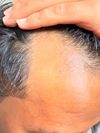
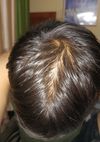
User shared progress pictures after nearly 3 months of using 1mg finasteride and weekly microneedling, reporting significant hairline improvement. They feel much better about themselves due to the progress.
The conversation discusses using minoxidil, finasteride, a dermastamp, and botanical oils like peppermint, rosemary, and pumpkin seed oil for hair growth. The user is considering using Alpha Infuse, which combines microneedling with plant oils, to enhance results.
A 29-year-old man experienced significant hair thickening at the front and top after using finasteride and microneedling for two months, as noticed by his hairdresser. He used 0.5 mg/day of finasteride orally, switched to a topical solution, and performed microneedling with a Derminator2 every 6-7 days.
A 24-year-old shares 4-month progress using finasteride, minoxidil, and microneedling for hair loss. They report positive results and plan to update in a few months.
The user completed a Clascoterone study with no observable changes in hair loss and plans to try microneedling and Minoxidil next. They will microneedle weekly and apply Minoxidil twice daily, except on the night of microneedling, and compare results after six months.
Microneedling may help regrow hair in dormant bald regions by stimulating stem cell transfer. Users discuss its effectiveness and how collagen might aid in the process.
The conversation discusses the potential of a new hair loss drug, CB-03-01, with users sharing their experiences and seeking advice on dosages and application methods. One user mentions using topical finasteride, minoxidil, dermarolling, and a clean diet for hair maintenance but is interested in CB-03-01 due to side effects from finasteride.
Microneedling with minoxidil and finasteride greatly improves hair regrowth. Using 0.5mm depth every other day boosts minoxidil absorption without side effects.
User "hairlossblows" shares their positive experience with minoxidil, microneedling, and finasteride for hair loss treatment. They report significant hair regrowth, especially in the hairline, and minimal side effects from finasteride.
The conversation is about a user's hair loss treatment progress using a routine of Avodart (Dutasteride), oral and topical Minoxidil, Ketoconazole shampoo, and microneedling. The user reports no side effects and shows improvement after resuming consistent treatment.
A 26-year-old uses topical minoxidil, oral finasteride, and Nizoral shampoo for hair thinning and is considering microneedling but is unsure about the best approach. Users suggest using a 1.0mm dermaroller once a week, cautioning against overuse due to potential scarring, and some recommend combining microneedling with minoxidil for better absorption.
The conversation is about hair regrowth using micro-needling, RU58841, oral and topical minoxidil, ketoconazole shampoo, and dutasteride. Users suggest that noticeable results take longer than two weeks, though one user mentions seeing baby hairs.
The user is using 5% topical minoxidil, a 0.5mm dermaroller, and keto shampoo for hair loss treatment, showing positive progress after two months. They plan to continue the regimen for maintenance.
The user is considering switching from oral to topical minoxidil due to lack of improvement and side effects, while continuing with dutasteride or finasteride. They seek advice from others with diffuse thinning.
A user shared a 3-month hair regrowth progress using minoxidil and microneedling. They also use rosemary oil and plan to continue treatment for at least 6-9 more months.
Microneedling for hair loss, with concerns about potential scarring and hair breakage. Recommendations include using 0.5-0.8mm needles, opting for dermastamps or pens, and limiting frequency to twice a month.
A 20-year-old diffuse thinner has been using finasteride for 8 months and is considering adding minoxidil to their routine. A user suggests incorporating minoxidil for quicker regrowth, despite the hassle of daily application, while continuing finasteride.
The user shared progress pictures after 3 months of using topical finasteride, minoxidil, and microneedling for hair loss. They plan a hair transplant at 6 months, and others inquired about microneedling frequency and depth.
User shared 4.5-month hair loss treatment results using Fin, Minoxidil, and microneedling. Others discussed postponing hair transplant and adjusting microneedling depth.
The conversation is about comparing the effectiveness of Minoxidil alone versus Minoxidil combined with other substances like Tretinoin, LCLT, Procapil, Aminexil, and Capixyl for hair growth. One user did not understand the terms used.
Significant hair regrowth was achieved using 1mg finasteride daily, 5% minoxidil nightly, and weekly 1.5mm microneedling, with no side effects. Topical minoxidil and microneedling are recommended for similar results.
The conclusion of the conversation is that the user has experienced significant hair regrowth using a combination of medications, including dutasteride, RU58841, and minoxidil. They have not experienced any noticeable side effects and are considering a hair transplant in the future.
A female user is experiencing minimal regrowth and miniaturized hair after 6 months of treatment with oral minoxidil, spironolactone, and topical minoxidil. She seeks advice on whether she can restore her remaining follicles.
A new stem cell method for culturing hair follicles is being developed as an alternative to Minoxidil, finasteride, and RU58841. There are concerns about its cost and accessibility despite plans for commercialization.
Oral minoxidil is considered effective for hair growth, and some users combine it with microneedling despite mixed opinions on its additional benefits. Concerns about microneedling include potential scarring and lack of conclusive evidence on its effectiveness when used with oral treatments.
The efficacy of microneedling for hair regrowth as either a stand-alone therapy or adjunct to Minoxidil, and whether Tretinoin is a safer and more effective option. Replies include personal accounts from users who have had success with microneedling in combination with minoxidil and peptide serums, as well as considerations of technique, depth, and potential scarring.
A man shared his 4-month progress using finasteride, minoxidil, and microneedling for hair loss treatment. He experienced positive results without side effects, and plans to continue the regimen.
A 40-year-old male using 1mg finasteride and Costco liquid minoxidil for almost 2 months reports noticeable improvement in hair regrowth, though his temples remain recessed. Encouragement from others suggests continued use will yield further progress.