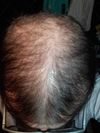
Microneedling with minoxidil and finasteride greatly improves hair regrowth. Using 0.5mm depth every other day boosts minoxidil absorption without side effects.
A 25-year-old shared progress after a year using oral finasteride, topical minoxidil, and microneedling, noting significant hair improvement despite periodic shedding. The user experienced body hair loss as a side effect but reported no other issues and plans to continue the treatment.
The conclusion of the conversation is that using minoxidil, finasteride, and ketoconazole may not be enough to address hair loss caused by DHT. Some users recommend starting finasteride to prevent further hair loss, while others express concerns about potential side effects.
Microneedling's effectiveness for hair growth is debated, with some users reporting positive results when combined with Minoxidil, while others express concerns about potential skin damage and infections. Tretinoin is suggested as an alternative to enhance Minoxidil absorption.
Individuals with oily scalps, dandruff, and diffuse thinning hair loss who have managed to either halt the loss or regrow their hair by using topical finasteride and minoxidil as well as microneedling and ketoconazole 2% shampoo.
Microneedling may worsen hair loss due to potential scarring and inflammation, with some users suggesting caution and proper technique to avoid damage. Alternatives like Minoxidil, finasteride, and RU58841 are implied as safer options.
The user stopped using topical minoxidil and finasteride after 2.5 months and switched to oral finasteride, 1mg daily, and did microneedling 1.5mm seven times. They experienced occasional sleep issues and watery semen as side effects, which stopped after discontinuing the topical treatment.
A 27-year-old male shared his hair regrowth progress after 100 days using 5% Minoxidil twice daily, 1.25mg Finasteride daily, and weekly microneedling. He noticed improvements and hopes to avoid a future hair transplant.
A user sharing their progress after using Fin, Minoxidil, keto diet, and microneedling for two months to attempt to regrow hair on bald temples. Other users replied with advice and support.
The user experienced rapid hair growth using Minoxidil, Finasteride, and microneedling, with some initial skin irritation from a retinal serum. They stopped microneedling due to limited results but may continue due to positive anecdotal evidence.
The conversation discusses the storage and use of pyrilutamide for hair loss, where one user advises against keeping it in the freezer as it may crystallize the active compounds.
Microneedling can cause infections if not done carefully; users suggest using alcohol swabs and reducing needle depth to avoid issues. Proper sanitation and gentle pressure are key to preventing bleeding and infection.
The user reported noticeable hair improvement over four months using 1 mg of finasteride and weekly microneedling. Progress photos from October 2024 to January 2025 show positive changes.
The conversation is about using Minoxidil and microneedling for hair regrowth. Some users notice a difference, while others attribute changes to lighting, angle, or hair styling, and suggest waiting longer for noticeable results.
Microneedling for hair loss involves using a derminator pen at a depth of 1-1.5mm, typically once a week or biweekly, with a 12-24 hour wait before applying minoxidil. Cleaning involves alcohol wipes, and it's advised to change needles after each use and avoid styling products on the day of microneedling.
The conversation is about trying Keratin Microsphere products for hair loss, specifically SAF 100 Pro, but no noticeable results were observed. The user also mentioned using a Hairclub wand.
The conversation discusses using microneedling with copper peptides, specifically GHK-Cu, for hair loss treatment. Some users combine it with minoxidil and topical finasteride, applying peptides either topically or through injection.
The efficacy of degrading the androgen receptor through dermal application in DP cells, a delivery system for topical drugs that involves dissolving microneedles, and rosemary oil as an alternative anti-androgen.
The user has been using a daily topical spray of finasteride and minoxidil, along with occasional microneedling, to address hair loss since August 2023, and is considering switching to oral medication for convenience and cost reasons. Despite progress, they are exploring options like increasing microneedling frequency or potentially undergoing a hair transplant to address a stubborn spot.
Hair loss treatments discussed include microneedling, minoxidil, tretinoin, finasteride, dutasteride, pumpkin seeds, saw palmetto, and scalp massage. The consensus is that finasteride or dutasteride is necessary for significant regrowth, while other methods may only slow hair loss.
A 24-year-old is experiencing hair loss and is considering microneedling due to side effects from finasteride and saw palmetto. They are contemplating combining microneedling with a 3-in-1 treatment to manage hair loss until age 30.
Microneedling is more effective when combined with minoxidil, especially for temple regrowth, but is considered near-useless on its own. Users suggest combining microneedling with oral minoxidil and dutasteride for better results, while some caution against potential scalp damage.
The user is experiencing white flakes and a greasy look from using a topical solution containing 0.025% finasteride, 8% minoxidil, 0.01% retinoic acid, and 1% hydrocortisone. Suggestions include reducing application frequency, using a brush to clean the scalp, and considering alcohol-free alternatives.
The user experienced red pimples and a rash from using topical minoxidil, possibly due to propylene glycol. Suggestions included seeing a dermatologist, switching to foam without propylene glycol, using Nizoral, and adjusting application timing.
Switching from topical to oral minoxidil caused acne breakouts, leading the user to revert to topical use. Finasteride was also used, but acne was suspected to be linked to oral minoxidil.
A user's progress with using Minoxidil, finasteride, and microneedling to treat hair loss; another user mentioned a Japanese study that found better results for hairy individuals on finasteride.
The conversation discusses using microneedling combined with castor, peppermint, rosemary oils, and caffeine as a treatment for mild hair loss, aiming to stop or slow down hair loss and potentially regrow hair. The effectiveness of this treatment without side effects is uncertain, and it may slow hair loss but results vary.
A 30-year-old is seeking advice on hair loss treatment, currently using oral minoxidil, finasteride, mesotherapy, and a supplement. They are experiencing shedding and are anxious about the effectiveness of the treatment, asking if they should continue or consider other options like topicals or microneedling.
Derma rollers may cause scarring alopecia, leading some to prefer dermastamps or dermapens for microneedling. Combining minoxidil with microneedling is effective, but proper technique and healing time are essential to prevent damage.
Microneedling alone is not effective in maintaining minoxidil results for hair growth. Combining microneedling with minoxidil and finasteride may enhance results, but microneedling by itself is not a reliable treatment.