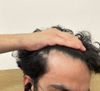
The user is concerned about using only minoxidil for hair loss without finasteride, despite having seborrheic dermatitis. They are considering seeking a second opinion from another doctor.
Missing one day of finasteride is humorously discussed, with suggestions to use additional treatments like dutasteride, RU58841, minoxidil, and microneedling. Some users jokingly suggest shaving the head or traveling for hair restoration.
Microneedling stimulates hair growth through stem cell activation during wound healing, not just increased blood flow. Other methods like showers or supplements don't replicate this effect.
The user experienced side effects from oral finasteride and tried mixing it with liquid minoxidil but faced application issues. They are seeking a 5% minoxidil foam with a maximum of 0.15% topical finasteride concentration.
The user cannot handle Minoxidil and is looking for an alternative to dilute topical finasteride. They are considering using Alpecin liquid as a solution.
A person is microdosing estrogen for hair loss after finasteride and dutasteride failed, risking feminizing effects. Alternatives like minoxidil, RU58841, or hair transplants are suggested.
A 21-year-old is using a combination of topical finasteride, topical and oral minoxidil, a liquid multivitamin, collagen powder, liquid biotin, microneedling, and red light therapy to address hair thinning. They are cautious about side effects and unsure if their hair loss is due to DHT or past brushing habits.
The user experienced significant hair regrowth using 5% topical minoxidil and 1mg finasteride daily, despite multiple shedding phases, and emphasizes the importance of starting treatment early and maintaining consistency. They advise against obsessing over online forums during shedding periods and recommend checking for scalp conditions like seborrheic dermatitis and ensuring proper nutrition.
An 18-year-old has been using 5% topical minoxidil for 2 months for hair loss, with a history of vitamin D deficiency and thyroid imbalance. Users suggest starting finasteride and blocking DHT for androgenetic alopecia (AGA).
A 21-year-old with early hair loss is considering starting finasteride, either orally or topically, and is unsure about adding minoxidil due to concerns about commitment and effectiveness. They plan to start with microdosing finasteride, possibly adding minoxidil later, and will also try microneedling, rosemary oil, castor oil, and ketoconazole shampoo.
Oral minoxidil may cause facial bloating and dark circles, making some users feel they look older. Some consider reducing the dosage or switching treatments due to these side effects.
Hair loss due to vitamin B12 deficiency is discussed, with some users suggesting supplements and dietary changes, while others recommend medications like finasteride or dutasteride. The conversation highlights differing opinions on the cause of hair loss, with some attributing it to genetics or male pattern baldness.
The conversation discusses the effects of lowering DHT on hair loss and the importance of monitoring DHT levels during treatment. The user suggests that individual responses to DHT and hair loss treatments vary, and expresses a preference for topical treatments over oral medications due to concerns about systemic DHT reduction.
The user has been using oral finasteride and topical minoxidil for over three years without regrowth, despite reduced hair loss. They are hesitant to try oral minoxidil and dutasteride due to potential side effects and cost, and have not found success with tretinoin or microneedling.
Oral minoxidil is temporarily unavailable in the USA due to import laws, prompting consideration of topical minoxidil as an alternative. Tariffs and political policies affect the availability and cost of hair loss treatments.
The user is trying to maximize minoxidil's effectiveness by applying it for only one hour to avoid spreading it to furniture and pets, especially cats. They experience side effects when combining minoxidil with dermarolling and are considering alternatives like oral minoxidil or microneedling.
The conversation discusses hair loss treatments, focusing on the use of topical minoxidil, microneedling, finasteride, and dutasteride, while debating the role of testosterone and DHT in hair loss. It also touches on the potential liver health impacts of these treatments and the genetic sensitivity of hair follicles to androgens.
Factors that can cause hair loss other than DHT, such as inflammation and diet, and potential treatments like scalp massages, minoxidil, citrulline, stretches, meditation, iron sulfate/Vitamin C, Vitamin D, protein and Dutasteride.
A 22-year-old is struggling with worsening hair loss despite using finasteride, minoxidil, and microneedling. They are seeking advice on whether to continue microneedling, feeling hopeless as their treatments have not stabilized or improved their condition.
A 22-year-old experiencing intense hair loss across the scalp seeks advice, considering factors like nutrition and genetics. Suggestions include checking vitamin, mineral, and thyroid levels.
Minoxidil and finasteride are being considered for hair loss due to seborrheic dermatitis and male pattern baldness. The user is also using ketoconazole and zinc pyrithione shampoo.
Some hair loss may be linked to chromosome 20, which isn't affected by DHT blockers like finasteride. Treatments like minoxidil, microneedling, and genetic testing are suggested, but their effectiveness for this type of hair loss is uncertain.
The conversation discusses the effectiveness of AMSbzs supplements in significantly increasing hair count, weight, and keratin content. The user questions why this treatment isn't more widely known despite its impressive results.
A 19-year-old male experiencing diffuse hair thinning has been using oral minoxidil and finasteride for 6 months with no improvement. Suggestions include continuing the treatment, checking for underlying conditions, and considering nutritional or hormonal causes.
The user experienced side effects from daily 1 mg Finasteride and switched to 0.5 mg every other day, supplemented with creatine, tongkat ali, tribulus terrestris, vitamin D3, bromantane, l-tyrosine, and caffeine. They also use weekly 1.5 mm microneedling and daily 50 mg RU58841, except on microneedling days, to manage hair loss.
Oral minoxidil and vitamins reduced shedding for one user. Others distrust dermatologists and prefer personal research on treatments like finasteride and microneedling.
The conversation discusses which vitamins to take alongside 0.5mg finasteride for hair loss, with suggestions including a multivitamin, iron, zinc, B12, vitamin D, Nutrafol, collagen, vitamin C, saw palmetto, and magnesium. Nutrafol is noted for its benefits but also criticized for containing too much biotin.