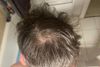
The conversation is about someone seeking advice on the best microneedling device to use for hair loss, mentioning pens, stamps, and rollers as options.
Microneedling is unlikely to damage existing hair if done with a device using a smaller needle count, like a 9-needle cartridge, and a stamping motion. Hair follicles are deeper than the typical needle penetration depth.
The conversation is about the correct way to do microneedling for hair loss, with some users suggesting the user is pressing too hard and causing too much bleeding, while others think the amount of blood is fine. Specific treatments mentioned include microneedling, with advice to disinfect the roller and possibly use a shorter needle length.
Microneedling for hair loss, with concerns about potential scarring and hair breakage. Recommendations include using 0.5-0.8mm needles, opting for dermastamps or pens, and limiting frequency to twice a month.
The user has been using oral finasteride and minoxidil for hair loss, with slowed hair loss but little progress. They are considering adding dutasteride due to concerns about crown thinning.
The user has high free testosterone and is still experiencing hair loss despite taking dutasteride and oral minoxidil for over three years. They are considering adding a topical anti-androgen like RU58841.
The conversation is about a hair loss treatment plan involving finasteride, minoxidil, microneedling, GHK-CU injections, Nizoral shampoo, and RU58841. The user is advised to start with a simpler regimen to minimize side effects and assess effectiveness before adding more treatments.
Bryan Johnson uses Dutasteride, Latanoprost, Minoxidil with Tretinoin, and other unproven treatments, while Derek uses Finasteride, Minoxidil, Nizoral, RU58841, and Castor Oil. Kevin uses Finasteride, Minoxidil, RU58841, and Alfatradiol, but is against Nizoral and microneedling, preferring Tretinoin for absorption.
The conversation is about hair regrowth progress using oral dutasteride (DUT) and minoxidil (MIN) over three months, with significant improvement noted. Users discuss potential future results and share personal experiences with similar treatments.
The user is considering stopping topical minoxidil due to lack of improvement in hair growth and is exploring alternatives like oral minoxidil, topical finasteride, and tretinoin. They are hesitant about oral finasteride and dutasteride, and are open to trying oral minoxidil if available, despite concerns about potential heart-related side effects.
Dermastamp is preferred for hair growth and skin health due to fewer scars, with recommended needle sizes of 0.5-1.5mm. Dermapen is also favored over dermarollers, which are considered dangerous.
The user is considering adding microneedling to their current hair loss regimen, which includes 1mg finasteride daily, 1.25mg oral minoxidil twice daily, and Nizoral once a week. Opinions on microneedling's effectiveness vary, but some suggest it could enhance results.
The conversation discusses using a blend of coconut, argan, and rosemary oils for hair growth, along with microneedling and supplements like biotin and collagen. The user is hesitant to use Minoxidil or finasteride and is exploring natural alternatives for thinning hair.
The conversation discusses potential hair loss treatments focusing on stimulating IGF-1 at the follicle level using growth-factor cocktails and engineered peptides, such as Acetyl Tetrapeptide-3, Copper Tripeptide-1, Oligopeptide-20, Thymosin-β4, and Palmitoyl Tetrapeptide-7. It suggests that device-assisted delivery methods like microneedling may enhance effectiveness.
A user shared their 2-month progress using 5% minoxidil and microneedling for hair loss, noting no significant changes yet. The discussion includes opinions on minoxidil, finasteride, and personal experiences with hair loss treatments.
A user shared their positive experience with hair regrowth after three months using topical minoxidil twice daily, 1mg finasteride every morning, and microneedling every 10 days. They reported no side effects and encouraged others to consider similar treatments.
The user experienced significant hair regrowth over two months using a regimen of daily minoxidil, daily finasteride, and weekly microneedling. They reported no major side effects, except for temporary watery loads, and emphasized the importance of consistency.
The conversation discusses skepticism about a new hair loss treatment called project K, which claims to replicate a chemical from UCLA research but is suspected to be a scam. The original poster plans to continue using oral minoxidil, finasteride, and dutasteride, along with microneedling, for hair regrowth.
Creatine may increase DHT levels, potentially affecting hair loss in some individuals, but opinions vary. Some users report hair loss while on creatine, while others see no effect, especially when using treatments like finasteride, minoxidil, and microneedling.
The user has been experiencing aggressive hair loss despite using finasteride, minoxidil, dutasteride, ketoconazole, and derma rolling. Suggestions include continuing current treatments, considering RU58841, checking for deficiencies, and possibly trying collagen supplements or oral minoxidil.
The user shared positive results using Minoxidil and microneedling for hair regrowth, choosing not to use finasteride due to concerns about hormonal effects. Other users debated the necessity of finasteride for long-term hair maintenance, with some suggesting alternative treatments and expressing skepticism about pharmaceutical influences.
RU58841 users discuss increasing dosage for better hair regrowth, with some considering adding minoxidil and finasteride. Users report mixed results, with some experiencing side effects at higher doses.
The user shared their three-year progress using finasteride and minoxidil for hair regrowth before undergoing a hair transplant procedure. They plan to continue the medication post-procedure due to its success and did not experience significant side effects.
A user discusses their struggle with aggressive hair loss starting at a young age and their use of various treatments, including topical finasteride, minoxidil, dutasteride, and RU58841, without significant success. Other users share their experiences and suggest trying oral finasteride or dutasteride, topical spironolactone, and maintaining a vitamin regimen, while noting potential side effects like gynecomastia.
A 31-year-old experienced significant hair regrowth using Minoxidil 5% topical twice daily and Finasteride 0.625mg daily, with additional microneedling. The user reported initial shedding, improved hair thickness, and no major side effects, impressing their dermatologist with the results.
A user reported significant hair regrowth after 4 months using finasteride and minoxidil, with no major side effects. They are considering oral minoxidil and use microneedling and ketoconazole shampoo.
A user shared their 7-month progress using oral minoxidil (2.5mg) and recently started finasteride (1mg) daily, reporting significant hair improvement without side effects. They noticed thicker beard growth and some hair thickening at the crown, with no shedding phase yet.
User reports hair improvement after 3 months using 2.5% minoxidil, 1mg finasteride, weekly Nizoral, bi-weekly microneedling, and nightly rosemary oil. Shedding has decreased, and no significant side effects were noted.
The user has experienced hair regrowth after switching from topical to oral Minoxidil and starting Finasteride. Other users confirm the regrowth and suggest additional treatments like microneedling and Nizoral shampoo.
The conversation is about choosing a topical antiandrogen for hair loss, with options including RU58841, CB0301, Pyrolutamide, Alfatradiol, and Fluridil. Users discuss their preferences and reasons for selecting specific treatments.