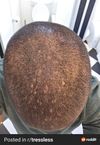
The conversation discusses biannual SCUBE3 injections and microneedling as treatments for hair loss. Specific treatments mentioned include Minoxidil, Finasteride, and RU58841.
A user shared progress pictures after 5 months of using oral Minoxidil (2.5mg) and Finasteride (1mg) for hair loss, reporting satisfaction with the results despite some light spots. Another user suggested increasing the Minoxidil dose if needed after a year.
The user has been using a combination spray of finasteride, minoxidil, and tretinoin for 5 months, along with microneedling and biotin, and is uncertain about hair regrowth progress. Other users suggest more time is needed for results, with peak results at 2 years, and mention oral dutasteride as an effective treatment.
User takes topical finasteride/minoxidil with little results, asks if microneedling helps for temple regions and if 0.5mm is enough. Replies suggest microneedling is effective and 0.5mm works, sharing personal regimens.
A user has been treating hair loss for a year with Finasteride, oral Minoxidil, microneedling, and ketoconazole shampoo, recently adding Dutasteride. They are unsure about the effectiveness and seek advice on whether to continue or switch fully to Dutasteride.
The conversation is about someone experiencing a lot of bleeding from using a 1.0mm microneedling device for hair loss treatment and asking if it's normal. Various users suggest that the bleeding is excessive and recommend using shorter needles or less pressure, while others share their own microneedling practices with different needle lengths and no bleeding.
A user is concerned about the legitimacy of a hair growth serum called Lavdik, which they ordered after seeing an ad for Jemros. The product contains ginger extract, ginseng extract, fleece flower root, grape seed oil, glycerol, carbomer, propylene glycol, and rosemary oil, and the user is unsure if it is effective or a scam.
A user shared their successful experience with hair regrowth and transitioning from male to female using minoxidil, finasteride, Nutrafol, microneedling, and hormone replacement therapy (HRT). They expressed gratitude for the results and encouraged others to explore treatments that align with their personal goals.
Exercise may be improving hair thickness and reducing thinning for a 50-year-old man using topical finasteride, minoxidil, Nizoral, and microneedling. The improvement could be due to exercise, the treatments, or a placebo effect.
Treating Seborrheic Dermatitis, a fungal scalp condition which can cause hair loss. Treatments discussed include antifungal shampoos, cold showers, exfoliating the scalp, taking Vitamin D, and stimulating the prostate through the anus.
The user noticed small circular hairless spots after a buzz cut and has been using finasteride, dutasteride, and oral minoxidil for hair loss. They are experiencing continuous shedding and thinning, and it is suggested they consult a dermatologist for a scalp examination and possible biopsy to determine if it's alopecia areata or androgenetic alopecia.
The user shared progress pictures after a year of treating hair loss with 5% minoxidil, then a combination of minoxidil/finasteride topical, and microneedling at 1.5mm bi-weekly. They plan to switch to oral finasteride and more frequent microneedling at a shallower depth while continuing the current regimen.
User experienced regrowth and thicker hair after using Minoxidil, Finasteride, and Keto shampoo for about a year. They also mentioned using 5% topical Minoxidil, 1mg oral Finasteride, and vitamin D.
2 Deoxy D Ribose may promote hair growth and aid wound healing, potentially enhancing microneedling effects. Users discuss its combination with microneedling for better hair growth results.
The user is considering whether to get a second hair transplant or wait to see the results from switching to oral minoxidil and finasteride. They also use microneedling and ketoconazole shampoo.
User shared progress with RU 58841, Minox, and Dutasteride 3 times a week for hair loss. Others noticed improvements and expect great gains over the next year.
The conversation is about a user's hair loss progress and treatment methods. The majority of users suggest shaving the head for better application of treatments like Minoxidil, microneedling, and oils. They also recommend adding finasteride and nizoral shampoo to the regimen.
The user experienced significant hair regrowth over two months using a regimen of daily minoxidil, daily finasteride, and weekly microneedling. They reported no major side effects, except for temporary watery loads, and emphasized the importance of consistency.
The conversation discusses microneedling techniques and the use of Minoxidil, copper peptides, EGF, FGF, ceramides, and hydration serums to enhance hair growth. It explores optimizing scalp conditions and the potential benefits of various compounds in conjunction with microneedling.
User has been on finasteride and switched to Dutasteride 6 months ago, using minoxidil, tretinoin, microneedling, and RU-58841, but still experiencing hair loss. Advice given includes waiting 6-18 months for Dutasteride results and checking if it's definitely MPB.
A user experienced significant hair density increase after 80 days using oral finasteride, topical minoxidil, and microneedling with a derma pen. They reported minimal side effects and attributed their success to being a hyper responder to the treatments.
Tattooing hair loss drugs like minoxidil and dutasteride into the scalp is discussed as an alternative to daily pills, with mixed opinions on its effectiveness and convenience. Some users report positive results, but concerns about cost, potential side effects, and the procedure's discomfort are noted.
The conversation is about a 9-month hair regrowth progress using Dutasteride 0.5mg and Oral Minoxidil 2.5mg daily. Users commented on the improved hair quality and requested to see the hairline.
The user has been using finasteride and minoxidil for hair loss and recently added microneedling and biotin vitamins to their routine. They are asking if microneedling can regrow hair in completely bald areas, specifically around the temples and above/in front of the ears.
A nearly 50-year-old male achieved significant hair regrowth and thickening over three years using daily finasteride, twice-daily topical minoxidil, and bi-weekly microneedling with a dermastamp. He experienced no side effects and found microneedling particularly effective for the crown area.
The user shared their one-year progress using finasteride and foam minoxidil for hair loss, experiencing positive results with minimal side effects. They are considering a hair transplant for better coverage in the future.
The conversation is about a hair care routine focused on microneedling and using DHI Hair Serum for temple hairline regrowth, without using minoxidil or finasteride. The user seeks advice on the best derma pen in India and feedback on their routine.
The user experienced improved self-confidence and hair regrowth using finasteride, minoxidil, and dermarolling. Visible results were noted after about three months, with microneedling done once a week.
A user shared their one-year progress with hair loss treatment, using topical minoxidil, 2% keto shampoo, microneedling, and finasteride. They plan to start dutasteride and are considering switching to oral minoxidil.
A user lost 60% hair density in 4 months, started finasteride and microneedling, and has greasy, flaky, yellowish scalp. They are awaiting biopsy results, and another user suggested trying ketoconazole shampoo.