Search
for
Sort by
Community Join
120-150 / 1000+ resultscommunity Does microneedling cause “microscarring”?
Microneedling does not cause microscarring. It is used alongside treatments like Minoxidil, Finasteride, and RU58841 for hair loss.
community Scalp Microneedling with Stemcell and Exohealer
community Scalp Exohealer with RF Microneedling
The conversation is about using RF microneedling with ExoHealer, along with finasteride and minoxidil, to improve hair thickness and reduce shedding. The user reports noticeable improvements in scalp texture and oiliness, with plans to consider stem cell treatments in the future.
community Why are we using 1.5mm for microneedling? Evidence says we don't need to.
community Microneeeling Question for Oral Minoxidil
Microneedling can still be beneficial when using oral finasteride and minoxidil, with a recommended needle length of 0.5mm to 1.0mm. A stamp or pen is preferred over a roller for microneedling.
community Those using peptide/s w/dermastamping/microneedling- ghk-cu specificially
The conversation discusses using microneedling with copper peptides, specifically GHK-Cu, for hair loss treatment. Some users combine it with minoxidil and topical finasteride, applying peptides either topically or through injection.
community Which dermaroller do you use for your microneeding session?
The conversation is about using a 0.5 mm dermaroller for microneedling alongside finasteride and minoxidil for hair loss treatment. The user seeks advice on different dermarollers and how often to replace them.
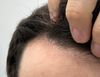
community Bumps After 1 Month of Weekly Microneedling at 1mm
Microneedling once a week at 1mm caused bumps, possibly scars, in the treated area. The user is considering cleaning the skin before microneedling to prevent this issue.
community What's the best and most durable type of microneedling tool?
The conversation discusses hair loss treatments, specifically using finasteride, minoxidil, and microneedling. Recommendations for durable microneedling tools include the Derminator 2 and Dr. Pen.
community Is the “crunching” sound during microneedling my scalp actually the needles cutting through hair?
The "crunching" sound during microneedling is likely the needles penetrating the scalp's outer layers, not cutting hair. Users suggest using a derma stamp instead of a roller to avoid potential hair damage.
community Is microneedling worth it when you're on dut and oral min?
Microneedling may not significantly enhance hair growth when combined with dutasteride and oral minoxidil, as its primary benefit is improving topical absorption. Some users suggest using a 1.5mm depth for potential follicle stimulation, but results and effectiveness vary.
community Microneedling vs Not - my experience
Microneedling combined with minoxidil and finasteride initially showed significant hair growth, but stopping microneedling and reducing minoxidil use led to hair loss. Returning to the original routine may help regain lost progress.
community How effective is microneedling without minoxidil?
Microneedling alone may not be effective for hair regrowth, though it can improve skin and reduce scars. Minoxidil caused heart palpitations for one user, leading them to stop its use.
community Does microneedling not scar the skin or break hairs?
Microneedling for hair loss, with concerns about potential scarring and hair breakage. Recommendations include using 0.5-0.8mm needles, opting for dermastamps or pens, and limiting frequency to twice a month.
community Seeking Experiences: Microneedling Without Oral or Topical Treatments
Microneedling for hair loss without using Minoxidil, finasteride, or RU58841. Users discuss experiences and effectiveness of microneedling alone.
community Do I have to continue microneedling after minoxidil regrowth?
The user is considering using minoxidil, finasteride, and microneedling for hair regrowth and is concerned about maintaining progress if they stop microneedling. They are also contemplating switching from topical to oral minoxidil for convenience.
community microneedling and sun exposure
Avoid sun exposure for 7-14 days after microneedling the scalp, using a hat for protection. Sunscreen on the scalp can be messy and irritating.
community What microneedling regiment worked for you?
Microneedling regimens for hair loss, with users discussing needle lengths and frequencies. One user reports noticeable improvement at the crown using 1mm weekly, while another uses Keto shampoo with dermastamping.
community My 6 months progress with microneedling
Microneedling combined with minoxidil is helping users see hair growth progress. One user reported significant results after two months of using oral minoxidil and microneedling.
community Applying Minoxidil right after microneedling, is what I do now
The conversation discusses using Minoxidil and Finasteride for hair loss, with a focus on applying Minoxidil after microneedling to enhance absorption. There is also mention of considering oral Minoxidil due to potentially higher absorption rates.
community Got a crazy shred again 3 months after starting daily microneedling
The user experienced hair loss after switching to daily microneedling and stopping tretinoin, while continuing oral finasteride, minoxidil, and other treatments. The consensus suggests daily microneedling is excessive and harmful, recommending less frequent sessions to allow healing.
community 30M Using Rosemary Oil, Starting Microneedling – Frequency and Combination Advice Needed
A 30-year-old is using rosemary oil and starting microneedling to address weakening hair, seeking advice on frequency and combination. Another user suggests using finasteride and minoxidil for better results, criticizing the effectiveness of rosemary oil and emphasizing the importance of understanding hair loss causes.
community My experience with microneedling monotherapy for roughly a year
Microneedling alone may slightly slow hair loss but doesn't promote regrowth or improve hair density. Combining treatments like finasteride or minoxidil with microneedling may yield better results.
community I feel so discouraged. It’s month 3 of microneedling and I see nothing.
The user feels discouraged after three months of microneedling with no visible hair regrowth, despite using 5% topical minoxidil and 200mg of spironolactone. Others suggest waiting 12 months for results, checking vitamin D levels, and considering tretinoin or tazarotene cream instead of microneedling.
community Microneedling-induced shedding after 5 months?
A user experienced significant hair loss after starting microneedling, despite using dutasteride and topical minoxidil. They are advised to consult a doctor as the shedding pattern is unusual and may indicate alopecia areata or other scalp conditions.
community Microneedling / 2.5mg Min + 0.5mg Dut / 1 year and 6 months and many questions.
The user experienced significant hair regrowth after starting oral minoxidil (2.5mg) and dutasteride (0.5mg) daily, and is considering resuming microneedling at home with a dermapen. They are concerned about potential risks of microneedling, such as scarring, and are seeking advice on needle length and frequency.
community Any Microneedling non-responders figure it out by experimenting?
The conversation discusses experimenting with microneedling for hair loss, specifically addressing non-responsiveness and the use of topical treatments like dutasteride, minoxidil, and tretinoin. The user seeks advice on effective frequency and depth combinations for better results.
community Question about microneedling, specifically dermastamp
Microneedling for hair loss, specifically using a dermastamp. The discussion includes using minoxidil and finasteride for better results.
community Microneedling versus Platelet-Rich Plasma
Microneedling and Platelet-Rich Plasma (PRP) are equally effective for treating androgenetic alopecia, with no additional benefits from PRP over microneedling. Both treatments are safe and well-tolerated.