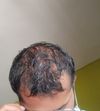
Sprocketshead asks if pyrilutamide can be applied with minoxidil, and inquires about its consistency and odor. They want to know if it's more high maintenance than topical minoxidil.
A new hair growth spray in the UK contains finasteride 0.3%, minoxidil 5%, and tretinoin 0.01%, but some users find the finasteride concentration too high. Another brand offers a similar spray with a lower finasteride dose at a cheaper price, and some users report scalp irritation from the new spray.
The user has been using RU58841 with minoxidil for hair loss, which helped but caused itchiness, and is considering increasing the dose and adding topical finasteride to the treatment. They are inquiring if they can mix RU58841 and finasteride into one solution with Stemoxydine or if they need separate solutions and which to apply first.
A user received a topical finasteride solution from a pharmacy, which likely dissolved finasteride tablets instead of using pure finasteride powder, resulting in sediment. The user expressed dissatisfaction, expecting pure powder, and discussed the pros and cons of DIY solutions and the use of minoxidil with finasteride.
A user is making a homemade topical finasteride solution by dissolving crushed finasteride tablets in ethanol and PG. They are unsure if the final solution maintains the intended concentration after filtering and are considering adding more ethanol to ensure accuracy.
The conversation is about concerns over using a combination spray containing finasteride, minoxidil, and ketoconazole for hair loss. The user is worried about potential scalp irritation and considers using separate products to better manage sensitivity.
A user shared progress pictures showing significant hair regrowth after using 1mg finasteride and weekly microneedling for about 2.5 to 3 months. The user reported no side effects and maintained good health and mood.
The user is considering starting Minoxidil and is looking for a topical solution to combine with it. They are confused about which product to prioritize among options like RU58841, Pyrilutamide, FinaTopic, and DutaTopic.
Significant hair improvement was achieved using 3mg Minoxidil and 1.2mg Finasteride over six months, with no side effects, leading to reconsideration of a hair transplant. A detailed skincare routine, including tretinoin and SPF, also improved skin appearance.
Microneedling should be done every 1-2 weeks, with a recommended wait of at least 24 hours before applying topical minoxidil. Finasteride is planned to be used daily at 1mg.
The user reports positive progress in hair growth using 0.25mg finasteride, minoxidil, ketoconazole shampoo, and microneedling, with minimal hair shedding and some new hair growth. They experienced decreased libido with finasteride but no longer have side effects from minoxidil.
The user has been using topical minoxidil 8% and finasteride 0.3% for six months, along with 2% ketoconazole shampoo and microneedling. They are experiencing some hair regrowth and hope for thicker hair by next year.
A user is considering using a 0.025% topical finasteride solution with DMSO to enhance absorption but is unsure about its effectiveness and safety. Other users express concerns about DMSO's properties and potential effects on the scalp.
A user reported significant hair growth improvements using 1mg finasteride and 2.5mg minoxidil daily, despite minor side effects. The doctor advised against combining multiple treatments to identify what works.
The user shared their 6-month progress using 5mg oral minoxidil, 1mg oral finasteride, topical 5% minoxidil, tretinoin, and weekly microneedling, noting improved results after adding these treatments post hair transplant. They hope for continued improvement.
The user has been inconsistently using a 0.1% finasteride and 5% minoxidil topical treatment for hair loss over the past nine months, along with 1% Nizoral once a week. They aim to improve consistency in their treatment this year and report no side effects.
The conversation discusses the potential benefits of creating a hydrophobic version of finasteride to reduce systemic side effects while maintaining scalp health. It compares this idea to fluridil, which is designed to be hydrophobic and has less systemic absorption.
The conversation discusses the difficulty of applying tretinoin 0.025% cream on the scalp and considers switching to a gel for easier application. It also mentions that a liquid solution, ideally combined with minoxidil, may be more effective for hair treatment.
The user is updating on their 3-month progress using minoxidil (0.5mg twice daily) and microneedling once a week. They plan to consult a doctor about adding finasteride to their regimen.
User discusses topical liposomal finasteride for hair loss, hoping to avoid breast growth side effect. Conversation includes using minoxidil, fluridil, and dermarolling, and mentions minimal systemic absorption of liposomal finasteride.
A user shared progress pictures after 5 months of using 1mg finasteride daily, 1ml minoxidil topically every night, and 1.5mm microneedling weekly. Responses included skepticism and congratulations.
Combining 0.5 mg oral finasteride with topical finasteride and minoxidil during an Enclomiphene cycle may help manage increased DHT levels. Monitoring for side effects is advised.
The user plans to use 1% Koshine826, 0.1% Alfatradiol, Minoxidil with Tretinoin, microneedling, and Stemoxydine for hair loss treatment. They expect significant recovery with this regimen.
Switching from propylene glycol to glycerin in topical finasteride may reduce systemic absorption and side effects while maintaining local scalp DHT suppression. Concerns exist about glycerin's ability to deliver the full dose to hair follicles.
The conversation is about adding crushed bicalutamide or spironolactone to a topical mix with finasteride and minoxidil to suppress testosterone in hair follicles, similar to what RU58841 does. The user cannot obtain RU58841 in their country and is seeking advice on this alternative approach for hair loss treatment.
A dermatologist prescribed a topical solution with 7% minoxidil, 0.1% finasteride, and 0.015% tretinoin from Medrock pharmacy. The user is asking if anyone has tried it and if it contains alcohol.
A 41-year-old man experienced significant hair regrowth using topical finasteride (0.025%), minoxidil, microneedling every two weeks, and occasional Nizoral 2% shampoo. He advises against using creatine due to personal experience with increased hair shedding.
The user is using topical minoxidil and finasteride with good results and is considering adding stemoxydine 5% to their regimen. Another user suggests trying it if financially feasible, as results can vary.
The user is experiencing aggressive diffuse thinning despite using 1mg oral finasteride daily, topical minoxidil twice, microneedling, and Nizoral for seborrheic dermatitis. They are considering switching to dutasteride or RU58841 but are advised to seek a second opinion to determine the cause of hair loss.
The user reports progress in hair regrowth using topical finasteride/minoxidil, microneedling, topical dutasteride, latanoprost, and MSM supplements. They express frustration over the lack of interaction on progress posts compared to trivial topics.