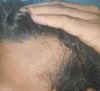
The conversation discusses hair loss treatments, specifically dutasteride, oral minoxidil, and microneedling. Users inquire about side effects, brands, and suggest using topical minoxidil.
A user's progress with hair loss treatments, including Dutasteride, Minoxidil (oral and topical), Microneedling, and RU58841, which resulted in positive results after 5 months. Another user commented on the faster growth at the front compared to the crown.
A user shared their successful hair regrowth journey using 1mg finasteride daily, 1ml minoxidil nightly, and weekly 1.5mm microneedling. They reported some side effects like reduced semen thickness but are satisfied with the results and recommend topical minoxidil over oral.
The conversation discusses the potential benefits of adding Vitamin B6 (P-5-P) to topical hair loss treatments like RU58841, finasteride, or minoxidil. The user suggests that Vitamin B6 might enhance these treatments by naturally lowering scalp prolactin.
After 7 months of using topical finasteride/minoxidil, microneedling, and Nizoral shampoo, the user believes they are seeing hair regrowth. They are seeking further advice to improve their results, excluding hair transplant options.
A 29-year-old male is using topical minoxidil and microneedling for hair regrowth and is considering adding finasteride. Users suggest adding finasteride for better results.
The user started using Hims Finasteride and Minoxidil topical in July 2023, added daily microneedling in November, and switched to chewable Finasteride and Minoxidil in January with increased microneedling frequency. They observed hair regrowth, suggesting diffuse thinning may be easier to treat.
The user stopped using finasteride and RU58841 and is considering CB-03-01 for androgenic alopecia but is concerned about the cost and effectiveness, especially at a lower dose than in clinical trials. They are also using minoxidil, micro-needling, and nizoral shampoo but are unsure about the correct application method for CB-03-01.
Topical minoxidil is effective for hair loss, while topical finasteride caused side effects like erectile dysfunction. Mesotherapy is considered stronger than home treatments like microneedling with topical nutrients.
The user reports using topical minoxidil 6% and finasteride 0.05% once daily, along with microneedling, vitamins, biotin, and nizoral shampoo. They recently increased minoxidil and finasteride to twice daily and feel their hair is thicker but are unsure about regrowth.
The user reported 4 months of using 0.5mg finasteride and 6 months of microneedling, Nizoral, and topical melatonin. They saw improvement on the left side but no improvement on the right side and are hesitant to start minoxidil.
The user has been using Dutasteride, Minoxidil, microneedling, and Nizoral for 6 months and is seeking feedback on hair regrowth progress. A reply suggests growing out hair for better assessment.
A 26-year-old male with early hair thinning is using finasteride, topical minoxidil, and supplements for deficiencies in iron, B12, and vitamin D3. He is considering adding oral minoxidil to his treatment plan.
Minoxidil was applied to a single miniaturized hair follicle over four months, resulting in less miniaturization but not yet terminal growth. The user used a 5% minoxidil solution, specifically the Regaine brand, and observed changes using a handheld WiFi microscope.
The user experienced hair regrowth using finasteride, biotin, folic acid, vitamin D3, and microneedling, despite initial shedding. Vitamin D3 deficiency caused hair loss and insomnia.
The user started taking zinc for a deficiency and is discussing one month of progress. They are inquiring if the observed changes indicate hair regrowth.
Microneedling may have benefits for hair loss even if only using oral finasteride without minoxidil. The effectiveness of microneedling without minoxidil is debated.
The post discusses various hair loss treatments including minoxidil, finasteride, microneedling, vitamins, lifestyle changes, and reducing prolactin levels. The user reports positive results after 4 months of treatment, including increased hair growth.
3 months of progress with Finasteride and Minoxidil treatment for hair loss, as well as Nutrafol vitamins and low-level light therapy. The user experienced no problems and had a satisfied girlfriend to boot!
Microneedling, when combined with finasteride and topical minoxidil, can enhance hair regrowth for male pattern baldness, especially at the temples. Users report varying success with needle depths between 0.5mm and 1.5mm, with stamps preferred over rollers to minimize scalp damage.
This conversation is about a user's progress pictures after using minoxidil twice a day and microneedling for 1.5 months, with other users recommending finasteride as an additional treatment. They are also discussing the frequency and depth of the microneedling.
The user shared progress pictures after 3 months of using topical finasteride, minoxidil, and microneedling for hair loss. They plan a hair transplant at 6 months, and others inquired about microneedling frequency and depth.
The user shared their 3-month progress using 5% topical minoxidil and microneedling with a 1mm dermaroller, noting significant hair growth without using finasteride. They applied minoxidil twice daily and used the dermaroller three times a week, experiencing a short shedding phase after 2-3 weeks.
Some people have low sulfotransferase enzyme levels, affecting their response to minoxidil. Lifestyle factors, genetics, and diet, like MSM intake, might influence these enzyme levels.
The user received a Fagron TrichoTest indicating that Finasteride, Dutasteride, and Minoxidil are not effective for them, recommending Latanoprost, Spironolactone, IGrantine-F1 TM, and Trichoxidil instead. Other users expressed skepticism about the test's validity and suggested sticking with proven treatments like Finasteride and Dutasteride.
Using tretinoin or tazarotene with minoxidil may eliminate the need for microneedling or dermastamping. Microneedling can enhance minoxidil's effects but may cause long-term scalp issues.
The user is happy with hair regrowth after using finasteride, minoxidil, and microneedling for three months. Others comment on the progress and ask about the routine, lighting, and potential side effects.
A user reports significantly reduced hair shedding by using a topical mixture containing 10% Minoxidil, 0.1% Melatonin, 5% Azelaic Acid, 5% Rosemary Oil, and 5% Peppermint Oil, and attributes the success mainly to Melatonin. They also use a copper peptide serum (AHK-Cu) for hair growth and Ketoconazole shampoo for scalp cleaning, but have stopped using other treatments like Finasteride and RU58841.
The conversation is about using RU58841 and microneedling (1.5mm) for hair loss. The user seeks advice on whether to avoid applying RU58841 on microneedling days to prevent it from becoming systemic.
A 41-year-old man experienced significant hair regrowth using topical finasteride (0.025%), minoxidil, microneedling every two weeks, and occasional Nizoral 2% shampoo. He advises against using creatine due to personal experience with increased hair shedding.