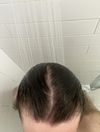
The user discovered that a buildup of sebum and residue was preventing Minoxidil and finasteride from working effectively. After thorough scalp cleaning, hair shedding reduced significantly, and microneedling became more effective.
The user is using 5% topical minoxidil, 1mg oral finasteride, biotin, vitamin D, zinc, and microneedling for hair loss. They report no sexual side effects and feel their libido may have increased.
A user shared impressive hair growth results after 77 days using oral finasteride, topical minoxidil, and weekly microneedling. They reported thicker, darker hair and minimal shedding, with treatment costs around 30 euros per month.
A 36-year-old man is using topical 5% Minoxidil for hair thinning and is considering adding 3mg Minoxidil pills as recommended by a dermatologist. He is concerned about potential side effects and increased shedding but cannot access Finasteride due to strict regulations.
The user feels discouraged after three months of microneedling with no visible hair regrowth, despite using 5% topical minoxidil and 200mg of spironolactone. Others suggest waiting 12 months for results, checking vitamin D levels, and considering tretinoin or tazarotene cream instead of microneedling.
The user is taking oral minoxidil, dutasteride, and finasteride but hasn't seen improvement in hair thickness. They experienced hair loss after switching from topical to oral minoxidil.
User "al_ick" shares progress with topical fin, min, tret, and micro needling for hair loss, showing good results. They use hims fin and min combination spray, applying 5-7 sprays for better coverage.
The user started finasteride and experienced increased shedding for five months. They are concerned about how low vitamin levels might affect the shedding and effectiveness of finasteride.
The user has been using minoxidil for a year and started microneedling recently, but is unsure about hair regrowth and is considering starting finasteride despite concerns about side effects. Other users suggest that combining minoxidil with a DHT blocker like finasteride is necessary for better results, as minoxidil alone may not be effective long-term.
The conversation discusses experimenting with microneedling for hair loss, with OP considering using a 3mm derma-stamp. Other users advise against going beyond 1.5mm to avoid damage.
The conversation is about whether topical Minoxidil could be effective for hair loss if oral Minoxidil did not work, considering the addition of microneedling and tretinoin. The user has tried oral Minoxidil for over a year without results and is seeking advice on alternative treatments.
Microneedling aftercare involves using saline water instead of sea water, and avoiding hyaluronic acid due to its potential pro-inflammatory effects. Users suggest using jojoba oil as a carrier for essential oils like rosemary and lavender, and combining microneedling with minoxidil for better hair regrowth results.
The user is happy with their hair regrowth after using 2.5mg Minoxidil and 1mg Finasteride daily for six months. They are considering adding microneedling to their treatment.
Key treatments for hair preservation include minoxidil, finasteride/dutasteride, and microneedling, with additional options like specific shampoos, oils, biotin, zinc, tretinoin, clascoterone, and low-level laser therapy. Maintaining a healthy lifestyle, reducing stress, and addressing nutrient deficiencies can also support hair health.
A user shared their year-long hair loss treatment using minoxidil, microneedling, and scalp massages, reporting moderate hair growth and stabilization. They suggest starting early with less harmful methods and consider adding finasteride or dutasteride if needed.
The user has seen marginal improvement in hair loss after increasing finasteride from 1 mg three times a week to daily and using minoxidil inconsistently. They plan to start microneedling and are considering using it on both their scalp and face.
A 21-year-old with early hair loss is considering starting finasteride, either orally or topically, and is unsure about adding minoxidil due to concerns about commitment and effectiveness. They plan to start with microdosing finasteride, possibly adding minoxidil later, and will also try microneedling, rosemary oil, castor oil, and ketoconazole shampoo.
Dr. Muñoz's discovery suggests that targeting potassium channels in fibroblasts could reactivate hair growth, offering new treatment possibilities for alopecia. Potential strategies include using minoxidil, diazoxide, and other potassium channel openers, as well as bioelectric devices and direct growth factor applications.
Hair loss treatment using minoxidil and finasteride, with the user experiencing a shed after reducing the frequency of application and stopping microneedling. The user is now waiting for new hair growth and hoping to see similar results as before.
The user is using minoxidil and topical finasteride for hair loss and is seeking advice on whether to use a derma pen or derma stamp for microneedling, including the appropriate length and frequency. They previously stopped oral finasteride due to side effects.
A user's experience with early balding and their regimen of finasteride, minoxidil, microneedling, vitamin D, and biotin to treat it. Another user asked if the minoxidil had helped with regrowth before they started using it.
User has been using 1.25 mg finasteride and 2.5 mg minoxidil daily for 5 months, along with 5000 mcg biotin for 1.5 months. They noticed peach fuzz growth around month 4 and are seeking confirmation if this indicates hair regrowth.
A 30 year-old male's 8 month progress with hair loss treatments, including minoxidil, finasteride, microneedling, scalp massage, and ketoconazole. Another user mentioned the shed being significant.
A 21-year-old male is happy with his hair regrowth after 6.5+ months using Minoxidil, finasteride, micro-needling, and 2% ketoconazole shampoo. He noticed improvement in hair texture after about 5.5 months and takes finasteride orally every other day due to side effects from daily use.
Hair thinning possibly due to rapid weight loss and dietary changes, with no nutrient deficiencies found. The user is taking vitamins and considering seeing a hair specialist to promote regrowth.
The user experienced hair regrowth using 1 mg finasteride and 5% minoxidil for 4 months, then switched to 0.5 mg dutasteride, 1.5 mg minoxidil, microneedling, and ketoconazole shampoo for 8 months. They noticed significant improvement after switching to dutasteride.
The user is considering switching from a topical minoxidil and finasteride solution to oral minoxidil to improve hair growth, while maintaining oral finasteride. They are concerned about potential shedding and whether they can maintain any new growth.
The conversation suggests that the hair thinning could be due to stress and vitamin deficiency rather than male pattern baldness. It recommends correcting the vitamin deficiency first and considering Minoxidil for hair growth if needed.