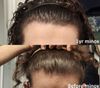
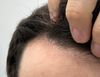
The user has been microneedling at 0.25mm once a week for 4 weeks and noticed further hairline recession. They are concerned about the impact of vitamin deficiencies, like biotin, on hair growth.
The user has been using finasteride for 16 months, minoxidil for 11 months, and started microneedling 2 months ago, experiencing shedding phases. They are questioning whether they are experiencing miniaturization or regrowth.
User tried microneedling with min and fin for hair loss, experienced inflamed scalp and dandruff. Recommends proper disinfection of microneedler to avoid issues.
A user shared their experience with microneedling and minoxidil for hair loss, avoiding finasteride due to concerns about systemic hormone effects. They reported slight hair regrowth after one month and plan to continue the regimen, noting improvements in skin sensitivity and managing dandruff with anti-dandruff shampoo.
Topical finasteride as a potential alternative to oral finasteride for reducing DHT levels on the scalp with fewer side effects, and other hair loss treatments such as minoxidil.
A user's experience with microneedling monotherapy and potential treatments such as finasteride, minoxidil, Stemoxydine, rosemary oil, peppermint oil, and RU58841 for reversing hair loss.
Microneedling for hair loss, with concerns about cost and conflicting information on protocols. The user is unsure about purchasing and reusing microneedling stampers.
Microneedling can cause skin shedding and inflammation, with some users adjusting needle size or frequency to reduce these effects. Some users combine microneedling with treatments like minoxidil, while others prefer smaller needles or alternative treatments like dutasteride.
The conversation discusses using USB microscopes for scalp photos and provides a link to an overview of trichoscopy. Treatments mentioned include Minoxidil, finasteride, and RU58841.
The conversation humorously acknowledges the role of mice in testing Minoxidil for hair loss while also discussing the ethics of animal testing. Some users argue against animal testing, citing cruelty, while others defend its necessity for medical advancements.
A 21-year-old is concerned about androgenic alopecia and has been using minoxidil for a year, noticing some stabilization in the hairline but fears using it on the whole scalp due to seborrheic dermatitis. Another person suggests considering a psychiatrist for stress management, using Nizoral shampoo, and possibly trying a small dose of finasteride.
The user is experiencing increased hair miniaturization despite using oral minoxidil, dutasteride, and microneedling. They are considering reintroducing finasteride and adjusting dutasteride dosage.
Parabens in Minoxidil are a concern for some users due to potential health risks. The conversation discusses the presence of methylparaben and propylparaben in a specific Minoxidil brand, Ylox.
A user is asking if Minoboost F, a topical solution with 5% Minoxidil and 0.1% Finasteride, is effective or a scam due to the lack of online reviews. They seek opinions and reviews from others.
Minoxidil was applied to a single miniaturized hair follicle over four months, resulting in less miniaturization but not yet terminal growth. The user used a 5% minoxidil solution, specifically the Regaine brand, and observed changes using a handheld WiFi microscope.
A 22-year-old female with AGA due to PCOS is using 5% minoxidil foam and 2mg finasteride daily, and is seeking advice on microneedling frequency and safety. Concerns about finasteride dosage and its effects on PCOS were discussed, with emphasis on trusting the prescribed treatment plan.
Microneedling and tretinoin may enhance minoxidil absorption for hair loss, but evidence on their effectiveness is limited. Iron supplements and broccoli sprouts are suggested for enzyme activation, but their impact on hair is unclear.
Probiotics like L. reuteri ATCC PTA 6475 and B. longum BB536 may improve hair growth and density by reducing inflammation and reversing DHT damage. The user is trialing these probiotics personally, ordering them from the U.S. to Canada, and plans to continue if no adverse effects occur.
A new stem cell method for culturing hair follicles is being developed as an alternative to Minoxidil, finasteride, and RU58841. There are concerns about its cost and accessibility despite plans for commercialization.
A gel of keratin microspheres promotes hair follicle growth, showing similar effectiveness to minoxidil in mice. The treatment activates hair growth pathways and reduces inflammation, with potential applications in drug delivery for hair-related disorders.
Microneedling once a week at 1mm caused bumps, possibly scars, in the treated area. The user is considering cleaning the skin before microneedling to prevent this issue.
The user has seen great results from microneedling but is worried it might lead to faster balding without medication. They are considering adding Finasteride or Dutasteride to their routine to address underlying DHT issues.
Using lice as an alternative to microneedling for hair loss treatment, with concerns about effectiveness and practicality. Some users humorously suggest genetically altering lice to produce beneficial compounds.
The conversation is about using micro needling and PTD-DBM for hair loss treatment. The user applies PTD-DBM drops on weekdays and performs micro needling weekly.
The user is updating on their 3-month progress using minoxidil (0.5mg twice daily) and microneedling once a week. They plan to consult a doctor about adding finasteride to their regimen.
Microneedling at depths greater than 0.6 mm may damage miniaturized hair follicles, with 0.5 mm showing better results for hair regrowth. Combining microneedling with minoxidil enhances absorption, but caution is advised to avoid damaging follicles.