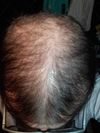
A 24-year-old has been using finasteride, oral minoxidil, and microneedling for hair loss. They reduced minoxidil due to heartburn and are considering a hair transplant.
Minoxidil without propylene glycol is sought to avoid dermatitis, with Rogaine foam and Tecflox suggested as alternatives. Users discuss using foam to prevent irritation and suggest heating it for easier application.
The user is starting microneedling for hair loss and is concerned about cleaning the needles and post-treatment care, including sun exposure and applying products like rosemary oil. They use a microneedling pen and are seeking advice on timing and technique.
User discusses using C60 serum with microneedling at 1.75mm and asks if it's safe. Current routine includes daily Pyril on temples, weekly microneedling, and C60 serum on non-Pyril days.
A user shared a 25-day progress picture showing significant hairline restoration attributed to microneedling, in addition to using minoxidil and finasteride for 6 months. Other users discussed needle length, frequency, and whether the effects of microneedling are permanent.
User shared progress pictures after 2 months of using 5% topical minoxidil, microneedling, and recently adding 0.01% topical finasteride. The minoxidil solution also contains caffeine, azelaic acid, retinol, adenosine, biotin, and niacinamide.
The conversation is about using a DIY topical Cetirizine 1% solution with microneedling for hair loss treatment. Concerns were raised about potential side effects and the effectiveness of Cetirizine for this purpose.
The conversation is about the legitimacy and affordability of ordering a Minoxidil response test from TrichoGene, an India-based company, as an alternative to Daniel Alain. The user is seeking feedback on whether TrichoGene is a reliable option.
User experienced scarring from microneedling at fast speed and paused treatment for 3-4 weeks to recover. Advice given includes waiting a full month for recovery to avoid scars.
The conversation humorously discusses starting oral microneedling for hair loss, with mentions of side effects like internal bleeding and abdominal pain. It also references using treatments like minoxidil and finasteride, with exaggerated and satirical comments on their effects.
A user shared a 3-month progress picture showing hair regrowth using 5% Minoxidil and microneedling, but not taking Finasteride. Some users are surprised by the quick results, and there's a discussion about the effectiveness of frequent deep microneedling.
A 20-year-old is experiencing hair loss and has low levels of Vitamin D, B12, and iron. They are seeking advice on vitamin D supplementation, despite no family history of hair loss.
The user experienced significant hair regrowth in two months using finasteride, topical minoxidil, and weekly microneedling, but developed dark spots on the scalp, possibly from irritation. They plan to try ketoconazole shampoo to address the issue and will consult a dermatologist.
The conversation is about finding a pure high molecular weight hyaluronic acid for the scalp after microneedling. A user suggests using a product from The Ordinary.
The user experienced increased hair miniaturization and shedding despite using finasteride, topical minoxidil, microneedling, and other treatments. They are considering more aggressive treatments or a hair system if no improvement occurs by the end of 2025.
Hair loss and its potential treatments, such as minoxidil, finasteride, RU58841, dermarolling, and supplements. It discusses whether miniaturized follicles can be revived to grow again or must shed for new growth to appear.
The conversation discusses using 1.5mm microneedling to improve responses to Minoxidil for hair loss. One user humorously suggests more aggressive microneedling.
A 30-year-old female with telogen effluvium and androgenetic alopecia is using spironolactone, oral minoxidil, vitamin D, iron sulfate, and a hairmax laser band. She seeks recommendations for a dermastamp or derma roller, advised to use no higher than 0.5 mm.
Microneedling can be effective for hair regrowth, especially when used with oils like castor, emu, and rosemary, but should be done with caution regarding needle size and frequency. Some users avoid minoxidil due to its side effects and cost, opting for alternatives like rosemary oil.
The user shared positive results from using Minoxidil twice daily, Finasteride 1mg, and microneedling for hair loss, noting improved hair density and mental health. They emphasized the importance of consistency and patience, mentioning initial shedding phases but no significant side effects.
Poor sleep quality may affect hair growth cycles by disrupting the body's natural clock and stress hormones. The focus should be on improving sleep to support overall health, including hair growth, rather than relying solely on treatments like Minoxidil, finasteride, or RU58841.
The user has been using oral finasteride and topical minoxidil for over three years without regrowth, despite reduced hair loss. They are hesitant to try oral minoxidil and dutasteride due to potential side effects and cost, and have not found success with tretinoin or microneedling.
The conversation discusses whether using 0.1% topical finasteride alongside 0.5 mg oral finasteride is excessive, with suggestions to choose either oral or topical treatment. The user also uses 5% minoxidil and mentions concerns about alcohol-based solutions due to seborrheic dermatitis.
Switching from topical to oral minoxidil caused acne breakouts, leading the user to revert to topical use. Finasteride was also used, but acne was suspected to be linked to oral minoxidil.
A 30-year-old is seeking advice on hair loss treatment, currently using oral minoxidil, finasteride, mesotherapy, and a supplement. They are experiencing shedding and are anxious about the effectiveness of the treatment, asking if they should continue or consider other options like topicals or microneedling.
ET-02 (RS 5441) shows promising results for hair growth, performing better in humans than in mice. There is debate over the effectiveness compared to minoxidil, with some users wanting more detailed data.
Oleic acid and microneedling are being explored for hair regrowth, but results are mixed. Addressing DHT and fibrosis is crucial, with treatments like finasteride, minoxidil, and scalp massage also discussed.