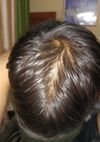
Ordering Pyrilutamide from Minoxidilmax to use as an experimental topical treatment for hair loss, with discussion of the carrier used in trials and encouragement from other users.
The user shared their 3-month progress using a routine of finasteride, minoxidil, rosemary oil, and supplements, along with microneedling and specific hair care products. They reported no side effects and received positive feedback on their results.
The user has been using minoxidil 5% twice daily, micro-needling, topical finasteride every other day, and various supplements for 3 months to treat hair loss and has seen positive results. They also mentioned using hair growth tablets, biotin, zinc, and vitamins B and D, but not consistently.
A person's progress after 9 months of using finasteride, micro-needling and minoxidil for hair loss; people offering encouragement that the progress so far has been good and will continue.
The conversation discusses concerns about potential hairline miniaturization and whether to start finasteride as a preventive measure. Recommendations include consulting a specialist and considering treatments like finasteride, dutasteride, minoxidil, and ketoconazole.
The user has been experiencing diffuse hair thinning despite using finasteride, minoxidil, dermarolling, clobetasol cream, and PRP sessions. They seek advice on additional treatments and are advised to check vitamin D, iron, and thyroid levels.
Adipose-derived stem cell secretome showed significant improvement in hair density and growth, especially when combined with minoxidil, suggesting a synergistic effect. The study had limitations, including a small sample size and potential bias.
A 37-year-old man treated his hair loss with 0.5mg finasteride every other day and 5% minoxidil twice daily for 5 months, reducing finasteride from 1mg due to side effects. His hair improved significantly, with positive changes visible from all angles, and he experienced no more side effects after the dosage adjustment.
A 20-year-old using 1 mg finasteride, 2 ml topical minoxidil, tretinoin, and microneedling for hair loss shows progress after three months, with thicker hair and temple regrowth. No side effects reported, and the user is considering switching to oral minoxidil.
A user experimenting with an extreme hair loss treatment stack of Dutasteride, RU58841, 15 mg oral minoxidil, and microneedling, which sparked a debate among other users about the safety of this approach.
User shared progress pictures of hair density improvement using 1mg finasteride and topical minoxidil, but expressed concern about recent hairline miniaturization and treatment effectiveness. Another user complimented the results and inquired about initial shedding.
A 22-year-old male uses dutasteride, a serum with 10% minoxidil and 0.5% finasteride, and microneedling for diffuse androgenetic alopecia. Progress pictures show changes from July 2025 to February 2026.
A 33-year-old man used Minoxidil 5% and Tretinoin 0.05% for a year to address hair thinning and receding hairline, resulting in new "baby hairs" filling in thin spots. He applies Tretinoin first, lets it dry, then applies Minoxidil, and notes that consistent use is necessary to maintain results.
Hope Medicine's HMI-115 is expected to be released in 2027, with phase 3 trials currently recruiting. Concerns include the safety of targeting prolactin and the potential cost of the treatment.
Significant hair regrowth was achieved using RU58841, minoxidil, and microneedling during a high-dose steroid cycle. The user reported no side effects from RU58841 and plans to continue the regimen.
A 20-year-old diffuse thinner has been using finasteride for 8 months and is considering adding minoxidil to their routine. A user suggests incorporating minoxidil for quicker regrowth, despite the hassle of daily application, while continuing finasteride.
PP405 is a new hair loss treatment advancing quickly in trials, generating excitement and skepticism about its effectiveness and marketing claims. Some see it as a potential alternative to minoxidil and finasteride, but concerns about long-term effects and the need for DHT blockers persist.
The conversation humorously discusses the fictional "Post PP405 Syndrome" and the idea of starting a foundation or cult around it. It mentions skepticism about the effectiveness of PP405 and jokes about future therapies.
A 25-year-old man has been using topical minoxidil 5%, oral finasteride 1mg, and microneedling for hair loss treatment for 14, 9, and 8 weeks respectively. He experienced watery semen after starting finasteride, but it normalized after a few days with no other side effects.
PP405 shows significantly better early-stage hair regrowth results compared to minoxidil and finasteride, with 31% of users experiencing over 20% density increase in 4–8 weeks. Minoxidil and finasteride show minimal or no visible regrowth in the same timeframe.
The user has been using finasteride for 6.5 months, topical minoxidil for about 4 months, and occasionally microneedling to treat hair loss, and is asking if the progress shown is appropriate for that time. Commenters are congratulating the user on the visible improvement.
Minoxidil, dutasteride, and copper peptides are used in a tattooing method for hair regrowth, with some users noting better results compared to oral treatments. Copper peptides are considered to have minimal impact, but the method may reduce side effects.
A user's hair loss treatment progress over the last 6 months using finasteride, minoxidil and dermarolling; other users have commented to ask questions or share their own experiences.
The conversation is about hair regrowth progress using topical finasteride 0.1%, minoxidil 10%, ketoconazole shampoo, and weekly microneedling. The user plans to continue the treatment for another year to assess its effectiveness.
The user has been using minoxidil twice daily for 2.5 months to treat hair loss and has seen great results, despite only microneedling once at the start. They occasionally forget a dose but it hasn't affected their positive outcome.
The user Consistent-Gene1334 shared their positive results in regrowing hair by using topical minoxidil and oral finasteride. Other users in the conversation praised the results and discussed the effectiveness of these treatments for diffuse thinning.
Scalp micropigmentation (SMP) is a viable option for those experiencing hair loss, providing a natural look similar to a buzzcut. It requires touch-ups every 3-5 years, and using products like zero shine can help manage appearance issues in different lighting.