A user shared progress pictures showing improvement from NW 6 to NW 2 after four months of treatment. They are considering using exosomes to further reverse hair miniaturization.
A 43-year-old man shares his slow progress using low-dose topical finasteride and 5% minoxidil for hair growth, along with scalp massages, microneedling, biotin supplements, and pumpkin seed oil. Another user suggests shaving and warns about potential infertility from finasteride, but the original poster remains optimistic, citing others' successful results.
The conversation is about a hair care routine focused on microneedling and using DHI Hair Serum for temple hairline regrowth, without using minoxidil or finasteride. The user seeks advice on the best derma pen in India and feedback on their routine.
The user shared progress pictures after 2 months of minoxidil, 1.5 months of microneedling, 1 month of RU58841, and 10 days of topical minoxidil and finasteride. They discussed their hair loss treatment regimen and results.
DLQ01, a prostaglandin F2α analog, shows promise for hair growth by directly stimulating PGE2/PGF receptors without needing conversion, and can be combined with minoxidil and retinoids like tretinoin for enhanced effectiveness. Minoxidil's efficacy may be reduced by COX-1 inhibitors, but using prostaglandin analogs like Latanoprost or Bimatoprost can help maintain its effectiveness.
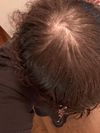
A user's progress with hair loss treatments, including Dutasteride, Minoxidil (oral and topical), Microneedling, and RU58841, which resulted in positive results after 5 months. Another user commented on the faster growth at the front compared to the crown.
Making a 1 year update on hair loss treatment of Finasteride, 5 mg oral minoxidil and topical minoxidil with 1.5 mm dermarolling; the user experienced some face pimples, baggy eyes, and had tried skin care. They also used fiber with their hair product and left it for a few days to make it look visually better. Replies were positive and one asked if using both oral and topical minoxidil was overkill.
The user has been using topical minoxidil 8% and finasteride 0.3% for six months, along with 2% ketoconazole shampoo and microneedling. They are experiencing some hair regrowth and hope for thicker hair by next year.
The conversation discusses the timing of applying Minoxidil and finasteride after microneedling. Opinions vary, with some suggesting immediate application and others recommending waiting to avoid skin irritation.
User experiences slow hair regrowth despite using finasteride, topical minoxidil, and supplements like biotin, zinc, and collagen. They seek advice on addressing overall slow hair regrowth.
The conversation discusses hair regrowth treatments using finasteride, minoxidil pills, and topical minoxidil, with a focus on the use of a 1.5mm derma roller. Users advise caution with derma rolling, suggesting smaller needle sizes and longer intervals between sessions to avoid skin damage and systemic absorption of minoxidil.
The conversation is about hair regrowth using micro-needling, RU58841, oral and topical minoxidil, ketoconazole shampoo, and dutasteride. Users suggest that noticeable results take longer than two weeks, though one user mentions seeing baby hairs.
A user discusses their rapidly receding hairline and a prescribed topical solution containing 7% Minoxidil, 0.1% Finasteride, and 3% biotinoyl tripeptide. The solution is a custom compound from their dermatologist, costing $50 for a one-month supply.
The user shared positive results from using Minoxidil twice daily, Finasteride 1mg, and microneedling for hair loss, noting improved hair density and mental health. They emphasized the importance of consistency and patience, mentioning initial shedding phases but no significant side effects.
The conversation is about using minoxidil for diffuse thinning after finasteride showed no regrowth. Tips include applying minoxidil directly to the scalp, considering potential shedding, and being cautious with combining tretinoin due to possible irritation.
Using Megatek with minoxidil significantly increases hair growth, especially vellus hairs, but is less effective alone. Biotin and ketoconazole shampoo are also used to support hair health.
The conversation discusses concerns about Dr. Rassman's topical Finasteride, specifically whether it is liposomal or glycol-based. Dr. Rassman insists on providing the correct liposomal formulation and urges patients to contact him if they receive the wrong product.
An 18-year-old woman experiencing hair loss due to stress, possible PCOS, and low vitamin D is concerned about starting 5% minoxidil foam, prescribed by her doctor, due to potential facial hair growth. She is also using a topical steroid for scalp sensitivity and pain.
The user is experiencing hair miniaturization despite using dutasteride 0.5mg daily and oral minoxidil 3mg daily for three months. They are advised to continue the treatment as full effects may take up to a year.
Dermal incision with verteporfin is being explored as a potential hair loss treatment by dermatologist Melissa Toyos, with promising before-and-after photos shared on social media. The conversation discusses its potential effectiveness compared to other treatments like Minoxidil, Finasteride, and RU58841.
Parabens in Minoxidil are a concern for some users due to potential health risks. The conversation discusses the presence of methylparaben and propylparaben in a specific Minoxidil brand, Ylox.
Using roll-on bottles for applying minoxidil and RU58841 improves application efficiency and reduces product waste. Topical treatments are used continuously, except on microneedling days.
The conversation is about someone seeking advice on the best microneedling device to use for hair loss, mentioning pens, stamps, and rollers as options.
The conversation is about a user's 3-month hair regrowth progress using finasteride, minoxidil, and a 0.5mm dermaroller, with recent addition of caffeine shampoo. Users are responding positively and inquiring about application methods.
The conversation discusses using 23andme to determine if someone might respond well to minoxidil for hair loss treatment, and mentions the user's personal experience with micro-needling and minoxidil.
The post discusses a user's 6-month progress using topical finasteride (0.08%) and minoxidil (5%) once a day, combined with scalp micropigmentation (SMP). The user hopes for improved hair growth as they let their hair grow out.
A 31-year-old male experiencing hair thinning since age 25-26 uses minoxidil, finasteride, a red laser cap, and microneedling to promote hair growth. Users suggest reducing microneedling frequency to once a week to avoid damaging hair follicles.
A user's progress after 3 months of using the "big 4" hair loss treatments - liposomal gel minoxidil, finasteride, keto shampoo and microneedling; with people providing advice about their own experiences and asking for more information.
The conversation discusses the lack of experiments combining verteporfin and microneedling for hair loss treatment. The user expresses interest in participating in a group buy to try this method.
Minoxidil foam absorption concerns, with suggestions to use gloves or apply directly to the scalp to ensure proper absorption. Some users recommend using a scalp massager or switching to liquid minoxidil for better application.