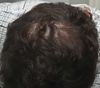
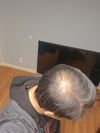
A 25-year-old is using vinpocetine to enhance the absorption of topical Minoxidil for hair loss. They also use a hair tonic and supplement with Glycine, Taurine, Creatine, and Citrulline.
The conversation is about using Listerine as an alternative to rubbing alcohol for sterilizing a dermaroller due to unavailability. The ingredients of Listerine are listed to determine its suitability.
The user experienced heart palpitations from using Fin (0.1%) and Min (10%) and is seeking alternatives. Options suggested include PRP or Mesotherapy, with a recommendation to try topical Fin without Min.
A user's 11-month hair loss treatment progress using 0.5mg dutasteride every other day, 50mg RU58841 in the morning, 5mg oral minoxidil, topical minoxidil at night, and microneedling with a 1.5mm needle every other week. The user's improvement was significant, going from a severe hair loss stage (NW7) to a mild/moderate stage (NW2-3).
The conversation discusses using 23andme to determine if someone might respond well to minoxidil for hair loss treatment, and mentions the user's personal experience with micro-needling and minoxidil.
Finasteride and minoxidil are recommended for hair loss, with skepticism about additional treatments like electro stimulation and oxygen infusion, which are seen as ineffective and costly. Pulsed ultrasound may enhance drug delivery, but most other treatments are considered ineffective.
The user plans to use 1% Koshine826, 0.1% Alfatradiol, Minoxidil with Tretinoin, microneedling, and Stemoxydine for hair loss treatment. They expect significant recovery with this regimen.
A user is seeking recommendations for dermatologists or hair clinics in the Greater Sacramento or Bay Area for exosome treatments, comparing topical application plus microneedling versus direct scalp injections. They are also asking for personal experiences and before-and-after photos.
User seeks treatment to increase minoxidil efficacy. Suggestions include microneedling, oral minoxidil, and Tretinoin, with mixed experiences and side effects.
A user recommends a roll-on applicator for applying Minoxidil directly to the scalp, which is useful for those with some hair volume. Others discuss different application methods, including electric applicators and using hands or a hair massager.
The conversation discusses the benefits of combining scalp stem cell treatments and exohealer with RF microneedling before a hair transplant. The original poster recommends these treatments for better results.
Researchers finding that microRNA can potentially regrow 90% of lost hair, and the challenges involved in moving this research forward to human trials. Various treatments for hair loss, such as finasteride and minoxidil, have been discussed.
The user is updating on their hair loss treatment progress after 4 months using oral finasteride, topical minoxidil spray, and weekly 1mm dermarolling. The crown area is slowly improving, with a smaller bald spot radius compared to the previous month.
The user is using oral finasteride and minoxidil, microneedling, and plans to add topical minoxidil to boost hair growth. They are considering adding tretinoin but are unsure if it's necessary.
Mesotherapy for hair loss, including treatments like finasteride and dutasteride, is discussed, with some users reporting pain and mixed results. Alternatives like PRP injections and topical treatments such as minoxidil, RU58841, and tretinoin are also mentioned as effective options.
The user "dsx460" shared their progress pictures of hair regrowth using a combination of topical finasteride, minoxidil, microneedling, and a keto diet. They are happy with the progress and hope for further improvement.
The user experienced significant hair regrowth and improved hair density after four months using finasteride, minoxidil, and microneedling, avoiding the need for a hair transplant. They plan to continue their current routine due to positive results and are not considering switching to dutasteride.
The conversation is about hair regrowth progress using topical finasteride 0.1%, minoxidil 10%, ketoconazole shampoo, and weekly microneedling. The user plans to continue the treatment for another year to assess its effectiveness.
The user is undergoing Mesotherapy and Low-Level Laser Therapy for hair loss, with plans for multiple sessions. They are also using oral finasteride, topical minoxidil, dutasteride, and hair fibers.
The user shared progress pictures of their hairline improvement over two years using finasteride, minoxidil, and microneedling. Another user inquired about whether the minoxidil was used orally or topically.
A user is considering a hair transplant in a "mohawk" pattern with scalp micropigmentation (SMP) on the sides and back, questioning its feasibility and appearance. Others discuss donor region quality, potential scarring, and alternative treatments like dutasteride and RU58841.
The post discusses a user's 6-month progress using topical finasteride (0.08%) and minoxidil (5%) once a day, combined with scalp micropigmentation (SMP). The user hopes for improved hair growth as they let their hair grow out.
User reports using a derma roller daily, seeing new hair growth along the hairline without using Minoxidil or finasteride. They seek advice on further promoting hair growth with their current routine.
The user added P5P (vitamin B6) to their shampoo to reduce scalp itch, which improved significantly. They have been using finasteride for hair loss but are exploring additional treatments like topical antiandrogens and prolactin inhibitors.
The user is exploring topical Saw Palmetto as a milder alternative to microdosing topical Finasteride for hair loss, aiming to minimize systemic DHT impact. They plan to experiment with this herbal remedy for a year to assess its effectiveness on their mild androgenetic alopecia without significant side effects.
A human trial of verteporfin, a drug that can inhibit wound healing by scarring and promote regeneration of original tissue and hair follicles to provide an unlimited source for hair transplants; people discussed the potential of this drug and how it could be rolled out in mainstream with more doctors getting on board.
The user reports using topical minoxidil 6% and finasteride 0.05% once daily, along with microneedling, vitamins, biotin, and nizoral shampoo. They recently increased minoxidil and finasteride to twice daily and feel their hair is thicker but are unsure about regrowth.
The conversation discusses using verteporfin for hair regrowth and minimizing scarring after hair transplants. Some individuals plan to self-administer verteporfin, potentially in combination with microneedling, as an alternative to hair transplants.
The user shared progress pictures showing hair thickening after 4 months of using minoxidil and microneedling, and has started taking finasteride. They are considering increasing minoxidil dosage if results are not satisfactory and are questioning whether their hair loss is genetic or self-induced from previous minoxidil use for beard growth.