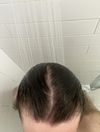
The user shared progress pictures after 4 months of using 5% topical minoxidil and microneedling for hair loss. They discussed their positive results and experiences with these treatments.
The conversation is about using a DIY topical Cetirizine 1% solution with microneedling for hair loss treatment. Concerns were raised about potential side effects and the effectiveness of Cetirizine for this purpose.
A 30-year-old MTF individual shared a 6-month update on hair loss improvement using minoxidil, retinol, and microneedling, along with lowering testosterone to reduce DHT. They reported positive results, feeling happier and more confident.
The conversation discusses hair loss treatments for a 30-year-old female, comparing red light therapy with minoxidil and finasteride. Concerns about hormonal impact and potential pregnancy are raised, with suggestions to consider spironolactone and microneedling, while emphasizing the importance of consulting a dermatologist.
People are discussing using tretinoin with minoxidil for hair loss treatment, focusing on application methods and results. Microneedling is mentioned as a separate method to promote hair growth, with some debate on its effectiveness in enhancing minoxidil absorption.
RU58841 is discussed as a potential treatment for acne and hair loss, with users debating its effectiveness and safety compared to other treatments like finasteride, minoxidil, and dutasteride. Concerns about RU58841's side effects and lack of clinical trials are raised, while some users share their personal experiences and routines involving RU58841 for hair loss.
Hair loss treatment using minoxidil and finasteride, with the user experiencing a shed after reducing the frequency of application and stopping microneedling. The user is now waiting for new hair growth and hoping to see similar results as before.
The user has been using minoxidil and finasteride for hair loss but is now considering microneedling due to recent hairline regression. Another user reassures that derma rolling causes only slight redness, which usually heals overnight.
The conversation discusses the lack of experiments combining verteporfin and microneedling for hair loss treatment. The user expresses interest in participating in a group buy to try this method.
The user reported hair regrowth using microneedling with a Dr.Pen Ultima M8 over six months, without additional treatments like minoxidil or finasteride. They followed a schedule of varying needle depths and noted lifestyle changes to reduce stress.
A person experiencing hair loss is using finasteride and considering minoxidil but is worried about side effects like heart palpitations. They seek advice on continuing minoxidil, trying alternatives like microneedling, or considering a hair transplant.
Switching from topical to oral minoxidil resolved issues like watery eyes and ear itchiness. Users report oral minoxidil is better for sensitive skin, though some are concerned about side effects like hair growth everywhere.
A 27-year-old male is using a minoxidil and finasteride spray for hairline recession and is considering other treatments like oral minoxidil, exosomes, PRP, or a hair transplant. Suggestions include microneedling, possibly with tretinoin, while another user suggests the hairline is fine and mentions body dysmorphia.
Microneedling can promote hair growth, but there is uncertainty about the best practices, including needle length, device, and session frequency. Users discuss using needle lengths between 0.5mm and 1.5mm, with some experiencing pinpoint bleeding, and emphasize the need for more reliable resources and guidelines.
The user is experiencing hair loss and is using oral treatments including 5mg minoxidil, 1.1mg finasteride, and 1mg biotin daily. They are considering adding dutasteride and possibly a hair system, while others suggest patience and additional treatments like microneedling.
MCL-1 is important for hair follicle stem cell survival, but its impact on human hair regrowth is unclear. Minoxidil and finasteride are the main treatments, with doubts about new discoveries leading to effective human solutions soon.
2-deoxy-D-ribose, a sugar molecule, is found to be 80%-90% as effective as Minoxidil in promoting hair growth, showing potential for alopecia treatment. Concerns include high cost, lack of human studies, and possible side effects like diarrhea and nausea.
The user experienced hair regrowth using a combination of Minoxidil, Finasteride, and RU58841, with Minoxidil used initially and the other treatments added later. The user believes the combination of Finasteride and RU58841 contributed to the regrowth, with RU sourced from MVsupplement.
Shedding after a break from minoxidil or RU58841 means hair falls out or becomes thinner and weaker quickly before falling. The discussion clarifies the nature of hair shedding with these treatments.
A non-binary transfeminine person experienced significant hair regrowth after starting finasteride, minoxidil, microneedling, and hormone replacement therapy with estradiol. They encourage trans individuals concerned about hair loss to consider estrogen as it has greatly improved their hair condition.
The user shared their hair regrowth progress using finasteride, minoxidil, microneedling, and tretinoin cream, noting inconsistency in their routine. They plan to be more consistent with treatments in the future.
Oral minoxidil can cause serious heart issues like cardiac hypertrophy and arrhythmias, prompting some users to reduce dosage or switch to topical treatments. Despite significant hair regrowth, side effects such as shortness of breath and chest pains are common concerns.
Optimal microneedling routine is 1.25mm once a week with Dr Pen 36 needles. Applying Minoxidil right after microneedling may increase systemic absorption risk.
The conversation discusses personal experiences with hair loss and highlights the potential impact of anemia and nutrient deficiencies on hair health. Treatments mentioned include changing shampoo/conditioner, taking MSM, collagen, hyaluronic acid, astaxanthin, B12, folate, and bovine blood capsules.
Applying minoxidil immediately after microneedling at 0.5mm can cause stinging and potential systemic absorption, so some users prefer to wait 12-24 hours. Others report no issues with immediate application, but caution is advised to avoid irritation and side effects.
A 35-year-old user shared their 4-month progress using Minoxidil, Finasteride, microneedling, and vitamins to treat hair thinning. They reported increased hair density, thicker strands, and deeper color, especially in the crown area.
Oral minoxidil is considered unsafe due to severe side effects and requires close medical supervision, while oral finasteride is viewed as safe and effective. There is debate over the fear-mongering around finasteride and the downplaying of minoxidil's risks, with some users advocating for proper health screenings before use.