Search
for
Sort by
Community Join
330-360 / 1000+ resultscommunity Microneedling and minoxidil alone
A physician experienced hair thickening and new growth using microneedling and minoxidil, but stopped using topical finasteride due to side effects like reduced libido and erectile dysfunction. The physician plans to continue with microneedling and minoxidil, considering finasteride nonessential for cosmetic purposes.
community Anyone tried Regenera stem cells, or exosomes? Anyone with FPHL too or just in general?
The conversation discusses hair loss treatments, specifically Regenera stem cells and exosomes from 'Cellgenic' umbilical cord donors. The user has been using topical minoxidil 5% and 0.001% estradiol for a year without seeing effects, and another user mentions the importance of microneedling.
community Minoxidil Skin Delivery from Nanoemulsion Formulations Containing Eucalyptol or Oleic Acid: Enhanced Diffusivity and Follicular Targeting
Minoxidil can be effectively delivered through nanoemulsions containing eucalyptol or oleic acid, enhancing its diffusivity and targeting hair follicles. This contradicts the advice against mixing minoxidil with oils in topical formulations.
community Got a microscope camera. Here’s the difference between healthy and miniaturized hair
A user who shared progress pictures of their scalp using a microscope camera, demonstrating the difference between healthy and miniaturized hair. Various explanations for the cause of this were discussed, such as DHT build-up in scalp sebum causing an autoimmune response leading to inflammation and eventual hair loss, with some suggesting a do-it-yourself treatment involving adding ascorbic acid powder to shampoo.
community Does microneedling too deep cause people to post a single pic as progress?
The conversation is about hair loss and treatments. Specific treatments mentioned are Minoxidil, finasteride, and RU58841.
community 1 month of progress on Fin, Min, and Microneedling
The user has been using finasteride, minoxidil, and microneedling consistently for one month to improve hair regrowth. They also use collagen peptides, pumpkin seed oil, vitamin D, biotin, nizoral shampoo, adenosine shampoo, caffeine topical, and rosemary oil as part of their routine.
community cosmeRNA finally now it's pyrilutamide turn
Hair loss treatments discussed include cosmeRNA, minoxidil, finasteride, RU58841, and pyrilutamide. Users debate effectiveness, side effects, and upcoming treatments, with some expressing skepticism and others optimism.
community Could microneedling for the next 5 years cause any permanent damage?
Microneedling for hair loss and its potential long-term effects. Some users believe it can cause fibrosis and scar tissue if done too frequently or deeply, while others claim it has improved their hair loss when done correctly. There is limited scientific research on the topic.
community 2Month – Fin, min, microneedling
User reports 2-month progress using Fin, Min, and microneedling for hair regrowth. Mixed opinions on results, some skeptical of fast growth, others encouraging and recommending Fin for stable results.
community Topical min/fin for 8 months. Still seeing continuous miniaturisation
After 8 months of using topical finasteride, hair miniaturization continues, raising concerns about its effectiveness. Microneedling is suggested as a possible complementary treatment.
community 4 months minox + fin +microneedling
A user's progress with treating hair loss, using minoxidil, finasteride and microneedling. The user experienced impressive results after four months of treatment, and mentioned that stopping recreational drugs and losing weight helped their hair regrowth.
community Has anyone had success Dermarolling without Min?
The conversation is about the effectiveness of Dermarolling for hair loss without using Minoxidil. Some people consider using peppermint oil as an alternative.
community Microneedling protocol and supplements
Microneedling for hair loss should avoid anti-inflammatory supplements like garlic, Vitamin E, fish oil, turmeric, and NSAIDs for 3 days before and 5 days after the procedure to enhance collagen production. Completely abstaining from these supplements may be unnecessary, but caution is advised around the procedure time.
community Min + microneedling + extras 2 months
User shared progress pictures after 2 months of using 5% topical minoxidil, microneedling, and recently adding 0.01% topical finasteride. The minoxidil solution also contains caffeine, azelaic acid, retinol, adenosine, biotin, and niacinamide.
community 6 years fighting the Norwood reaper
The user has been managing hair loss with microneedling, Nutrafol, topical finasteride/minoxidil foam, LLLT, and Nizoral, and plans to add oral minoxidil. They are seeing improvement and are cautious about using oral finasteride due to past gynecomastia concerns.
community Magnesium oil + microneedling? (21m)
The conversation discusses using magnesium oil and microneedling to promote hair growth, alongside finasteride, due to financial constraints preventing the use of minoxidil. Another suggestion includes using a certilizine solution for hair health.
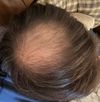
community Dutasteride and Minoxidil User Considering Microneedling vs HT for Crown
The user is considering microneedling versus a hair transplant (HT) for crown hair loss while currently using dutasteride and oral minoxidil. They are hesitant about microneedling due to potential scarring but are open to trying it before deciding on a hair transplant.
community 9 months on fin/min/microneedling
A 22-year-old male experienced hair regrowth and improved hair health after using Minoxidil, Finasteride, and microneedling for nine months, with initial shedding but no significant side effects. Users discussed similar experiences with hair styling difficulties and shared tips for managing hair texture and side effects.
community Saw palmetto, eucapil and micro needeling
User noticed receding temples, used minoxidil and microneedling with positive results. Added saw palmetto and eucapil, experienced shedding and thinner hairline, but no side effects.
community Microneedling advice - are there long term things to worry about and which product should I buy?
The conversation is about concerns and advice regarding microneedling for hair loss, with potential risks like chronic inflammation, scarring, and folliculitis. The user has been using minoxidil, finasteride, and stemoxydine with good results and is considering adding microneedling, with recommendations for using a dermastamp or pen.
community 20 months Finasteride, Minoxidil and Microneedling.
The conversation discusses impressive hair regrowth results using finasteride, minoxidil, and microneedling over 20 months. Some users suspect a hair transplant or hair system, while others inquire about specific product details and side effects.
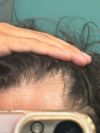
community 25M with Uneven Thinning Despite Oral Minox, Considering PRP and Microneedling
A user is experiencing uneven hair thinning and has tried topical minoxidil without success and finasteride with adverse effects. They are considering microneedling and PRP treatments while avoiding finasteride, and another user suggests trying dutasteride as an alternative.
community Did you notice Dr Rassman reply on microneedling on his website
The post discusses Dr. Rassman's advice on microneedling for hair loss, suggesting holding a Dr Pen with 36 needles in one spot for 10 seconds. The conversation includes differing opinions on this method, with one user explaining the importance of dipping the pen rather than swiping to avoid abrasions.
community Is There Any Chance Of Cancer In Follicle Neogenesis through Microneedling?
The conversation discusses concerns about the potential risk of cancer from creating new hair follicles through microneedling, due to stem cell division. Specific treatments mentioned include microneedling, caffeine-containing anti-hair loss shampoos, and other unspecified topicals.
community Any proof backing Nanoxidil over Minoxidil?
The conversation discusses hair loss treatments, specifically comparing Nanoxidil and Minoxidil. The user reports no benefits from either treatment and expresses concern about micro-needling worsening their condition.
community Shedding again? (6 months Minoxidil + microneedling)
The user experienced hair regrowth with Minoxidil but noticed some hair loss after stopping microneedling for two months. They are hesitant to use finasteride again due to side effects and are considering other DHT blockers.
community how it feels to talk to tiktok kids about hairloss that isn’t shitty rosemary oil bloodflow and microneedling
Minoxidil and finasteride are effective for hair loss, especially when used together. Microneedling may enhance minoxidil's effects, but its standalone effectiveness is uncertain.
community Questions about using dermapen for microneedling.
The conversation discusses using a dermapen for microneedling to treat hair loss, with specific mention of using Minoxidil, Finasteride, Dutasteride, RU58841, KX-826, and other topicals. The user experienced side effects like palpitations and itching after microneedling and applying these treatments.
community An Experiment Using Microneedling and Essential Oils & Vitamins
A user is trying to reverse hair loss using vitamins E and D, jojoba oil, rosemary oil, peppermint oil, and microneedling, avoiding finasteride and minoxidil. They plan to use Alpecin shampoo and will provide updates on the effectiveness of this regimen.