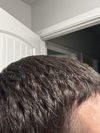
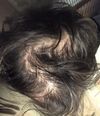
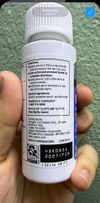
A user shared their 5-month experience using topical finasteride for hair loss, noting side effects like watery semen and puffy nipples, which led them to stop the treatment. They saw no significant hair improvement and have since switched to using minoxidil.
The user experienced hair improvement using a topical finasteride, minoxidil, and tretinoin combo, along with supplements like zinc, copper, magnesium, vitamin D3, K2, iodine, and boron. They believe these changes are due to addressing mineral deficiencies and possibly thyroid issues, despite skepticism from others.
A user is concerned about a growing thin spot on their boyfriend's head despite using Rogaine, Vitamin K, Vitamin E, Biotin, and Ubiquinol. Another user suggests starting finasteride, minoxidil, and dermarolling for better results.
A 40+ male shared his one-year progress using minoxidil twice daily and microneedling once a week, showing significant hair improvement. He also occasionally uses finasteride in a low dosage due to side effects.
Hair looks thinner in sunlight, and users discuss using hair fibers, minoxidil, finasteride, and considering dutasteride for hair loss. Hair fibers like Toppik help conceal thinning, and some users suggest additional treatments like derma stamping and micro-needling.
The user has been microneedling weekly for almost 8 months without seeing progress and is experiencing shedding. They are also using finasteride daily and Kirkland minoxidil twice a day, and had a hair transplant after starting finasteride.
Microneedling alone has limited effectiveness for hair growth, but it may enhance the results of topical minoxidil. The optimal needle length varies, and while some users report benefits, others see no significant change without additional treatments.
Microneedling with finasteride, minoxidil, DMSO, and black seed oil shows mixed hair regrowth results. There are concerns about DMSO's safety and effectiveness.
A user reported significant hair regrowth after 3 months using 1mg oral finasteride, 1ml 5% topical minoxidil, and microneedling, along with biotin, vitamin D, iron, and zinc supplements. They are optimistic about continued progress despite initial skepticism.
The conclusion of the conversation is that the user has experienced significant hair regrowth using a combination of medications, including dutasteride, RU58841, and minoxidil. They have not experienced any noticeable side effects and are considering a hair transplant in the future.
The user is using a topical spray containing finasteride, minoxidil, ketoconazole, and biotin for hair loss and plans to add weekly dermastamping, starting with a needle length of 0.6mm. They seek advice on the safety of combining these treatments, the impact of skipping one dose weekly, and the frequency of replacing the dermastamp.
Using a routine of 5% minoxidil, microneedling, and tretinoin for hair loss. The user seeks advice on the ideal weekly schedule for applying these treatments.
Users discussed using treatments like minoxidil, finasteride, dutasteride, and exosomes for hair loss. They reported thicker hair and reduced shedding, with some experiencing minor side effects.
The user is considering adding microneedling to their current hair loss regimen, which includes 1mg finasteride daily, 1.25mg oral minoxidil twice daily, and Nizoral once a week. Opinions on microneedling's effectiveness vary, but some suggest it could enhance results.
BackToTheFutehair's 3.5 month progress update on their hair loss treatment regimen of finasteride, minoxidil, and microneedling which has led to a significant improvement in thickness and life to the hair. Others have provided encouragement and advice for future treatments.
Clascoterone in Winlevi, a topical AR antagonist, is being re-examined due to concerns about HPA axis suppression in adolescents, but it's unlikely to be banned for adult use in androgenetic alopecia (AGA). The European Medicines Agency recommended refusing Winlevi for acne vulgaris, but this may not affect Breezula's approval for AGA.
The user has been using 1mg Finasteride daily for six months, experiencing reduced shedding and itchiness but some frontal thinning. They are considering adding Minoxidil and have started dermarolling to enhance results.
A user inquired about safely ingesting topical 5% Minoxidil due to the unavailability of oral Minoxidil in their country. They seek advice on diluting it to match the equivalent of 1mg oral Finasteride.
The user has been using finasteride and topical minoxidil for 8.5 months, with initial progress slowed due to stopping microneedling. They plan to resume microneedling and consider a hair transplant in the future.
User is considering microneedling to enhance hair regrowth after limited response to minoxidil and better results with finasteride and ketoconazole shampoo. Recommendations include using a 1.5mm derma roller once a week, avoiding minoxidil on microneedling days, and disinfecting the roller with isopropyl alcohol.
The user shared progress after using 5% minoxidil twice daily, 0.2% topical finasteride once daily, Nizoral shampoo thrice weekly, and microneedling weekly for hair loss. They observed thicker hair after 12-14 months and are curious about further improvement.
The conversation discusses biannual SCUBE3 injections and microneedling as treatments for hair loss. Specific treatments mentioned include Minoxidil, Finasteride, and RU58841.
The conversation discusses the effectiveness of using finasteride alone versus combining it with minoxidil, ketoconazole, and microneedling for hair loss treatment. It also touches on the affordability and accessibility of hair transplants, with differing opinions on the financial feasibility of such procedures.
The user is pleased with increased hair density and thickness after six months of using topical minoxidil and finasteride. They plan to continue the treatment and consider adding dermarolling for potentially better results.
The user is using a combination of microneedling, minoxidil, tretinoin, scalp massages, and red light therapy to address hair loss, with a focus on the hairline and temples. They emphasize the importance of scalp massages and have seen regrowth, attributing success to their comprehensive routine.
OP saw significant hair growth after starting scalp exfoliation and using 5% topical minoxidil for 4.5 months, along with microneedling initially. Users discussed the benefits of exfoliation and inquired about experiences with finasteride and dutasteride.
Exosomes combined with fractional picosecond laser treatment were effective in treating androgenetic alopecia and promoting repigmentation in white hair patches. The role of exosomes in hair repigmentation, particularly in conditions like poliosis, is not well-studied.
Intense microneedling with heavy pressure and bleeding did not improve hair growth after 4 months. The user advises against this method, noting no benefits and potential harm, and mentions using minoxidil without success.
After 8 months of using oral Minoxidil 5mg and Finasteride 1mg, the user still experiences hair loss, particularly miniaturized hairs in the mid-scalp area, along with itching. They are concerned about losing around 40 hairs daily despite treatment.