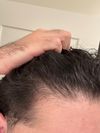
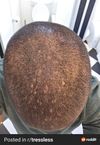
User experienced scarring from microneedling at fast speed and paused treatment for 3-4 weeks to recover. Advice given includes waiting a full month for recovery to avoid scars.
The user experiences scalp inflammation, especially when oily, despite using treatments like dutasteride, oral minoxidil, RU58841, and nizoral. They recently started cetirizine and are considering benzoyl peroxide wash for relief.
The user experiences an itchy scalp despite using finasteride and ketoconazole shampoo for hair loss. Suggestions include trying different shampoos, switching to dutasteride, and using topical treatments for inflammation.
Hair loss after telogen effluvium (TE) with thinning and possible scarring, treated with 5 mg oral minoxidil. Concerns about scarring alopecia and lack of regrowth, with suggestions to consider finasteride for better results.
The user experienced hair loss despite using Fin and Min for 12 years and switched to Dutasteride, RU58841, and Keto scalp serum, but shedding and itch persist. They are considering increasing Dutasteride to 2.5mg and questioning the necessity of a scalp biopsy, with mixed opinions on its usefulness.
A user named Mmherak is experiencing hair loss, with low B12 and iron deficiency, and has been recommended minoxidil and spironolactone by dermatologists. Other users suggest seborrheic dermatitis or dandruff, recommending treatments like Nizoral shampoo, ketoconazole, and Selsun Blue.
The user noticed increased hair loss over the past three years and is seeking advice. A suggestion was made to consult a dermatologist or trichologist and consider blood tests, particularly for vitamin D levels, to address potential androgenetic alopecia (AGA).
A user with diffuse thinning noticed stubble-like hairs on their scalp after using 2% ketoconazole shampoo, dermarolling, castor oil, Vitamin D3, biotin, and iron supplements. They are unsure if this indicates regrowth or miniaturized hairs.
Treating Seborrheic Dermatitis, a fungal scalp condition which can cause hair loss. Treatments discussed include antifungal shampoos, cold showers, exfoliating the scalp, taking Vitamin D, and stimulating the prostate through the anus.
Mixing ketoconazole 2% shampoo with coal tar and salicylic acid for seborrheic dermatitis is discussed, with users sharing experiences and alternative treatments like sulfur soap and scalp massage. Some users report success with these methods, emphasizing the importance of avoiding irritants and maintaining scalp health.
A 28 year old male experiencing diffuse thinning, chronic dandruff and scalp crust (seborrheic dermatitis), with replies discussing the use of topical fin for hormone imbalances and Nizoral for seb derm.
The user is experiencing diffuse thinning and inflammation despite using 2.5mg dutasteride daily, ciclopirox, and ketoconazole shampoos. They are considering treatments like hydroxychloroquine and JAK inhibitors due to suspected scarring alopecia and have faced challenges in obtaining a scalp biopsy.
The conversation discusses using scalp massage, balms like Ethera and L'Occitane, and dietary changes such as rosemary tea and tofu to address hair loss. The user is also considering high-intensity interval training and slow breathing to improve hair regrowth.
Scalp tension from the occipitalis muscle is theorized to contribute to hair loss, but most believe DHT and genetics are the main causes. Treatments like finasteride and minoxidil are considered more effective than addressing scalp tension.
Dutasteride 1.5 mg stopped shedding and reduced scalp inflammation in one month, unlike finasteride. The user also uses minoxidil but saw no results until adding dutasteride.
Natural remedies may improve hair and scalp health but do not stop hair loss related to DHT or other imbalances. Proven treatments like Minoxidil and Finasteride are recommended for effective results.
The user has been using 1.25mg Finasteride, 5mg Oral Minoxidil, Ketoconazole shampoo, and dermastamping for 1.5 months, noticing thicker hair and less scalp visibility, though changes are more noticeable in photos than in real life. They experienced no side effects from Finasteride but had initial chest discomfort with Oral Minoxidil, which resolved, and they plan to continue updating on their progress.
Minoxidil sulfate is more effective than regular minoxidil, especially for those with low sulfotransferase levels or scalp sensitivity, but it is unstable unless delivered in a liposomal format. Combining minoxidil with tretinoin can enhance effectiveness, and stopping minoxidil use can lead to rapid hair loss.
The user experienced improved hair at 6 months using 0.5 mg finasteride daily but noticed more scalp visibility and potential hair loss at 13 months, questioning if this was due to shedding or the treatment not working. Some respondents suggested the possibility of a shed or scalp inflammation, while others observed improvements or advised checking for underlying scalp conditions.
The user treated their hair loss with microneedling, nanoxidil, rosemary oil, jojoba oil, scalp massages, keto shampoo, and supplements. They experienced significant hair regrowth and a reduction in hair shedding within 8 weeks.
Minoxidil was applied to a single miniaturized hair follicle over four months, resulting in less miniaturization but not yet terminal growth. The user used a 5% minoxidil solution, specifically the Regaine brand, and observed changes using a handheld WiFi microscope.
Hair loss treatments discussed include microneedling, minoxidil, tretinoin, finasteride, dutasteride, pumpkin seeds, saw palmetto, and scalp massage. The consensus is that finasteride or dutasteride is necessary for significant regrowth, while other methods may only slow hair loss.
The user is experiencing one-sided diffuse thinning and has been using finasteride and liquid minoxidil for 4-5 years with minimal results. They are considering whether to save for a hair transplant or address scalp sensitivity and irritation first.
A 22-year-old has been using dutasteride (0.5 mg daily) for over a year but is experiencing increased hair shedding, scalp inflammation, and burning, and cannot use minoxidil due to side effects. Suggestions include consulting a dermatologist, trying oral minoxidil, microneedling, rosemary oil, caffeine shampoo, and considering other treatments like PRP or red light therapy.
The user shared their 3-month progress using topical minoxidil 6% twice daily and finasteride 1mg six days a week, along with a hair and scalp treatment. They reported no side effects and plan to add a dermastamp to their routine.
Patience and consistent use of treatments like Dutasteride and oral Minoxidil are key for hair regrowth, with noticeable improvements often taking around 10 months. Maintaining scalp health with products like ketoconazole shampoo and conditioners is also important for effective treatment.
A 46-year-old man is using minoxidil, finasteride, and derma rolling for hair regrowth but is unsure of the results and considering a hair transplant. Many suggest he looks good bald and recommend continuing treatment or trying scalp micropigmentation.
The user is frustrated with hair loss treatments like finasteride, minoxidil, dutasteride, and oral minoxidil, which have been ineffective and caused scalp itching. They are skeptical about these treatments' effectiveness and consider alternative options like ketoconazole shampoo and RU58841.
The user noticed small circular hairless spots after a buzz cut and has been using finasteride, dutasteride, and oral minoxidil for hair loss. They are experiencing continuous shedding and thinning, and it is suggested they consult a dermatologist for a scalp examination and possible biopsy to determine if it's alopecia areata or androgenetic alopecia.
Herbal treatments like pumpkin seed oil, saw palmetto, and rosemary oil showed little to no effectiveness for hair loss, with some users experiencing negative effects. Regular treatments like finasteride and minoxidil are suggested to be more effective, while vigorous scalp massage and low-level laser therapy (LLLT) might offer some benefits.