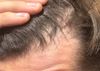
A 35-year-old male experienced significant hair improvement using microneedling, finasteride, minoxidil, and keto shampoo. He adjusted his microneedling routine for better results.
A 32-year-old male is considering options to soften a dense transplanted hairline after experiencing accelerated hair loss and intolerance to finasteride and dutasteride, while using minoxidil. He is exploring partial electrolysis or laser treatments to achieve a natural look with a short buzz cut, avoiding a second transplant or scalp micropigmentation.
Dermastamps are preferred over dermarollers for microneedling due to precision and reduced risk of scarring. Dermastamps allow for controlled, vertical needle entry, while dermarollers may cause more damage with sideways needle entry.
The conversation discusses using a dermapen for microneedling to treat hair loss, with specific mention of using Minoxidil, Finasteride, Dutasteride, RU58841, KX-826, and other topicals. The user experienced side effects like palpitations and itching after microneedling and applying these treatments.
A 35 year old male who has seen good results from Finasteride and microneedling, with minimal side effects. Replies to the post ask about the device used for microneedling, discuss the progress made, and offer encouragement.
The user is using a combination of microneedling, minoxidil, tretinoin, scalp massages, and red light therapy to address hair loss, with a focus on the hairline and temples. They emphasize the importance of scalp massages and have seen regrowth, attributing success to their comprehensive routine.
A user shared their positive experience with a crown MicroFUE hair transplant at Boston Hair Restoration, highlighting the smooth procedure, minimal pain, and significant growth over 12 months. They used oral minoxidil, finasteride (transitioning to dutasteride), PRP sessions, and a LaserCap, achieving excellent results and full confidence.
Dermal incision with verteporfin is being explored as a potential hair loss treatment by dermatologist Melissa Toyos, with promising before-and-after photos shared on social media. The conversation discusses its potential effectiveness compared to other treatments like Minoxidil, Finasteride, and RU58841.
The conversation discusses microneedling for hair loss, with one user trying 0.3mm daily without feeling pain and questioning its effectiveness. Another user suggests that 0.3mm is too shallow and recommends 0.5mm twice a week or 0.75mm once a week for hair growth.
User reports hair loss improvement with twice-weekly 0.25mg Fin, twice-weekly Min, weekly 0.5mm microneedling, and daily massages. Unconventional regimen contradicts typical advice but may reduce side effects.
The user is using oral Minoxidil, oral Dutasteride, microneedling, and RU58841 for hair loss, noticing slow progress with small hairs appearing. They are inconsistent with microneedling frequency, sometimes doing it weekly or skipping weeks.
User shared 9-month progress with finasteride and microneedling, and 2-year progress with minoxidil for hair loss. Others asked about microneedling tools, routine, and suggested micro fibers for improvement.
Keratin microspheres may offer additional mechanisms to combat hair loss compared to minoxidil. The process to create these microspheres is relatively simple and can be done at home with basic equipment.
The user is considering adding microneedling to their current hair loss regimen, which includes 1mg finasteride daily, 1.25mg oral minoxidil twice daily, and Nizoral once a week. Opinions on microneedling's effectiveness vary, but some suggest it could enhance results.
A 26-year-old uses topical minoxidil, oral finasteride, and Nizoral shampoo for hair thinning and is considering microneedling but is unsure about the best approach. Users suggest using a 1.0mm dermaroller once a week, cautioning against overuse due to potential scarring, and some recommend combining microneedling with minoxidil for better absorption.
User shares progress update on hair loss treatment using finasteride, minoxidil, and microneedling. Others congratulate and ask questions about treatment details, such as microneedling tool, needle size, and side effects.
Microneedling is effective for hair growth, especially when combined with finasteride and minoxidil, but concerns exist about potential long-term skin damage. Users report increased collagen and elastin deposition, but the long-term effects on the scalp remain uncertain.
The conversation is about using RU58841 and microneedling (1.5mm) for hair loss. The user seeks advice on whether to avoid applying RU58841 on microneedling days to prevent it from becoming systemic.
Microneedling can aid hair regrowth but poses risks like permanent hair loss if not done properly. Combining it with minoxidil, finasteride, and tretinoin, while ensuring proper sterilization and technique, is crucial for safety and effectiveness.
User is considering microneedling to enhance hair regrowth after limited response to minoxidil and better results with finasteride and ketoconazole shampoo. Recommendations include using a 1.5mm derma roller once a week, avoiding minoxidil on microneedling days, and disinfecting the roller with isopropyl alcohol.
Microneedling for hair loss, discussing whether to continue after achieving desired results. Concerns about scalp inflammation and advice to research further are mentioned.
A 24-year-old is experiencing hair loss and is considering microneedling due to side effects from finasteride and saw palmetto. They are contemplating combining microneedling with a 3-in-1 treatment to manage hair loss until age 30.
Microneedling, when combined with finasteride and topical minoxidil, can enhance hair regrowth for male pattern baldness, especially at the temples. Users report varying success with needle depths between 0.5mm and 1.5mm, with stamps preferred over rollers to minimize scalp damage.
Microneedling combined with minoxidil is more effective for hair growth than microneedling alone. Optimal results are seen with weekly microneedling using 0.5 - 1mm needles and regular minoxidil application, avoiding minoxidil on the needled area for 24 hours.
The conversation is about someone experiencing a lot of bleeding from using a 1.0mm microneedling device for hair loss treatment and asking if it's normal. Various users suggest that the bleeding is excessive and recommend using shorter needles or less pressure, while others share their own microneedling practices with different needle lengths and no bleeding.
The post discusses Dr. Rassman's advice on microneedling for hair loss, suggesting holding a Dr Pen with 36 needles in one spot for 10 seconds. The conversation includes differing opinions on this method, with one user explaining the importance of dipping the pen rather than swiping to avoid abrasions.
The conversation is about someone seeking advice on the best microneedling device to use for hair loss, mentioning pens, stamps, and rollers as options.
User shared 4.5-month hair loss treatment results using Fin, Minoxidil, and microneedling. Others discussed postponing hair transplant and adjusting microneedling depth.
A person had success with micro-needling for hair growth but stopped and noticed hairline recession. They plan to restart treatment at age 40, using micro-needling, oral minoxidil, finasteride, a laser cap, topical minoxidil with tretinoin, collagen, and other supplements.
Using a routine of 5% minoxidil, microneedling, and tretinoin for hair loss. The user seeks advice on the ideal weekly schedule for applying these treatments.