The conversation discusses hair loss treatments, specifically mentioning Minoxidil, finasteride, RU58841, and TB-500 Thymosin Beta-4. It critiques the credibility of biohacking claims.
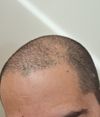
The conversation discusses a person's hair loss treatment over 1.1 years with finasteride, 1.5 years with minoxidil, and 2 months of microneedling, noting less shedding since starting vitamin D3 a month ago. Commenters are impressed with the results.
The conversation suggests that the hair thinning could be due to stress and vitamin deficiency rather than male pattern baldness. It recommends correcting the vitamin deficiency first and considering Minoxidil for hair growth if needed.
The user is experiencing hair loss and is using oral treatments including 5mg minoxidil, 1.1mg finasteride, and 1mg biotin daily. They are considering adding dutasteride and possibly a hair system, while others suggest patience and additional treatments like microneedling.
The conversation discusses hair loss treatments beyond the commonly known three, focusing on separating effective treatments from myths. Dutasteride and low-dose oral Minoxidil are mentioned as having clinical evidence for increasing hair counts, but with potential side effects.
Verteporfin is being explored for its potential to improve hair transplant outcomes by reducing scarring and increasing donor hair follicles. There is skepticism about the results, with some claiming misleading presentation of evidence.
A user tried the Rapid Minoxidil Response Test (TrichoGene) and found they don't respond to topical Minoxidil, so they added tretinoin. The test is available internationally, and another user is considering ordering it.
High frequency ultrasonography and HR-MRI can help identify hair shedding causes like inflammation and fibrosis. The conversation discusses the potential of using these technologies to evaluate treatments like Verteporfin for hair regeneration.
A user shared their hair restoration journey using oral and topical finasteride, experiencing side effects with the former. They later switched to microneedling, scalp massages, and vitamins (D3, Zinc, Biotin, B complex, Vitamin E) with mixed feedback on progress.
Diffuse thinning can result in varied regrowth, with some users experiencing better results at the hairline and others at the crown. Treatments mentioned include finasteride, minoxidil (oral and topical), RU58841, microneedling, and dermarolling.
Ninan50 uses 0.6 minoxidil, 0.05 finasteride, biotin, and dermarolling for hair loss. Plans to increase to 0.7 minoxidil and 0.125 finasteride, with positive progress seen.
The conversation discusses using topical melatonin for diffuse thinning and mentions treatments like Minoxidil, finasteride, and RU58841. The user is seeking advice on whether melatonin could help with their condition.
The post discusses using microneedling alone for hair regrowth without finasteride or minoxidil due to side effects and dependency concerns. The user is also considering the "Zix" formula, acetic acid, topical zinc solutions, and lithium chloride.
The post and conversation are about a user's 4-month hair regrowth progress using 3mg minoxidil, 2.5mg biotin, 1.1mg finasteride daily, and occasional dermarolling. The user reports significant improvement without using topical treatments.
8 months post hair transplant, OP experiences asymmetrical shedding despite using finasteride and starting minoxidil. The doctor suggests it might correct itself or be due to transplant trauma, recommending a wait-and-see approach.
The user reports positive progress in hair regrowth using 1mg oral finasteride, 3mg oral minoxidil, biotin, vitamin D, red light therapy, and microneedling. They note thickening at the hairline and some regrowth at the temples.
A user has been using Minoxidil and dermarolling for 4 months to treat hair loss, with some success. However, others suggest that without adding finasteride to the regimen, the hair regrowth may not last.
A 26-year-old shared their 2-month progress using finasteride, minoxidil, microneedling (1mm weekly), and vitamin D3 for hair loss. They are pleased with the results.
The user is considering a hair transplant to increase hair density after using finasteride and minoxidil for two years. They prefer a natural hairline and are unsure if a transplant is suitable for overall thinning.
People discussed which is better for hair loss treatment between a dermaroller and a dermastamp, concluding that a dermastamp is better. They also mentioned that a dermaroller can be used for beard growth.
Tretinoin may enhance minoxidil absorption, potentially improving hair regrowth when combined with microneedling. Users discuss various treatments like minoxidil, finasteride, dutasteride, and microneedling, with mixed results and concerns about side effects and scarring.
The user experienced hair thinning and was diagnosed with alopecia incognito and male pattern baldness. They are using minoxidil, finasteride, and dutasteride scalp injections, reporting gradual improvement with no side effects.
A 29-year-old male is using topical minoxidil and microneedling for hair regrowth and is considering adding finasteride. Users suggest adding finasteride for better results.
The user is concerned about potential hair thinning and has been using minoxidil and finasteride for a year, noticing some new hair growth. They recently started microneedling to improve minoxidil absorption and seek advice on applying it to the crown area.
The conversation discusses using 1.5mm microneedling to improve responses to Minoxidil for hair loss. One user humorously suggests more aggressive microneedling.
The user's progress in treating their hair loss using finasteride, minoxidil, vitamins, and microneedling, with one person suggesting to wait six more months before considering a hair transplant. The other person agreed that a hair transplant would be nice.
An 18-year-old is using topical minoxidil 5% and derma rolling weekly for hair regrowth after shaving their head, while also addressing vitamin D deficiency and thyroid imbalance. They are questioning if the changes observed are signs of regrowth.
A user reported success with RU58841 and a 1mm derma roller for hair regrowth, noting significant improvement in hair density and reduced scalp visibility. They also mentioned using minoxidil and black castor oil in the past, with mixed results.
Alfatradiol is often discussed at a 1% concentration, but studies typically use 0.025%. Some users report success using it as a topical treatment alongside other hair loss treatments like finasteride.
The user experienced chest pain and increased heart rate after microneedling while using topical minoxidil for hair loss. They are unsure if minoxidil is effective without microneedling.