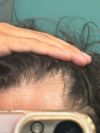
The user experienced improved self-confidence and hair regrowth using finasteride, minoxidil, and dermarolling. Visible results were noted after about three months, with microneedling done once a week.
A new topical Dutasteride with 20 times better scalp absorption being developed and tested for release in 2023; use of existing drugs, such as Minoxidil and finasteride; and mesotherapy as an alternative hair loss treatment.
Hair loss treatment using topical fin, min, saw palmetto, and occasional microneedling shows progress after 1.5 years. Microneedling frequency varies from weekly to every 4-5 weeks with 1.5mm needles.
Pyrilutamide's long-term stability is uncertain, with potential degradation after 8-9 months if not stored properly. It's recommended to use fresh batches and store them in a cool, dark place.
The conversation discusses using microneedling with growth factor serum, PRF injections, dutasteride, oral and topical minoxidil, and topical exosomes to treat hair loss, particularly on the crown. OP plans to microneedle twice a month and seeks feedback on Korean growth factor serums.
The post discusses frustration over the limited and not always effective treatments for hair loss, mainly Minoxidil and Finasteride. The conversation includes mentions of potential new treatments like GT20029, HMI-115, CosmeRNA, KX-826, and microneedling, but also highlights the challenges of funding and prioritizing research in this area.
A user shares their hair loss treatment regimen, which includes oral finasteride, oral and topical minoxidil, RU58841, LLLT cap, microneedling, ketoconazole shampoo, biotin, vitamin D3, NAC supplement, MK677, collagen, and other hair care products. They seek opinions on its effectiveness.
The conversation discusses whether finasteride's reduction of DHT and increase in scalp testosterone contribute to hair follicle miniaturization. Some participants argue testosterone does not cause miniaturization, while others suggest that even with reduced DHT, other androgens like testosterone may still contribute to hair loss.
A 43-year-old male saw significant hair regrowth and increased density after three months using topical Minoxidil (5%), topical Finasteride (0.025%), and 0.75mm microneedling every two weeks, with no side effects. He plans to continue and may reduce Finasteride concentration if progress continues.

The user is pleased with 4 months of progress using topical minoxidil 5%, finasteride 1mg, and dermarolling 1mm weekly. They are asking if they should expect more results before one year and if they should switch to oral minoxidil.
The user is seeking advice on the best treatment for male pattern baldness, diffuse thinning, and retrograde alopecia, comparing the effectiveness of finasteride, RU58841, and dutasteride, and considering whether to add minoxidil or switch to dutasteride or combine treatments. They are currently on finasteride and are contemplating if adding RU58841 or switching to dutasteride is better, and also asking about the comparison between pyrilutamide and RU58841.
A 21-year-old male shares progress pictures showing improvement in hair growth using daily topical minoxidil 5%, microneedling 1.25mm, and 500mg of saw palmetto. He reports new and healthy hair growth, indicating success in managing androgenic alopecia.
The conversation discusses hair loss treatments, specifically Minoxidil, finasteride, and RU58841. It also inquires about the timeline for the GT20029 phase 3 trial by Kintor.
The conversation discusses concerns about the potential risk of cancer from creating new hair follicles through microneedling, due to stem cell division. Specific treatments mentioned include microneedling, caffeine-containing anti-hair loss shampoos, and other unspecified topicals.
The user has been using topical minoxidil 8% and finasteride 0.3% for six months, along with 2% ketoconazole shampoo and microneedling. They are experiencing some hair regrowth and hope for thicker hair by next year.
User discusses using trichosol as a vehicle for hair loss treatments like finasteride and minoxidil. They ask about others' experiences and the stability of the solutions.
Many are unaware of effective male pattern baldness treatments like finasteride and minoxidil, often opting for ineffective remedies. Educating others on proven treatments and potential side effects is crucial.
The user has seen positive results after 16 months of using topical Finasteride/Minoxidil, microneedling weekly, and Tretinoin for hair loss. There are no reported side effects, and the user advises that the effectiveness of microneedling depends on the pressure applied.
The user is using oral Minoxidil, oral Dutasteride, microneedling, and RU58841 for hair loss, noticing slow progress with small hairs appearing. They are inconsistent with microneedling frequency, sometimes doing it weekly or skipping weeks.
TE (telogen effluvium) is often misunderstood and is triggered by severe stress or trauma, not minor daily inconveniences. Most hair loss cases are due to male pattern baldness (AGA), and treatments like Minoxidil and finasteride can help.
Microneedling combined with tretinoin is discussed for its effectiveness in treating hair loss. Minoxidil, finasteride, and RU58841 are also mentioned as potential treatments.
The user is using 5% minoxidil, 1mg finasteride, and a 1.5mm dermaroller 1-2 times a week for hair growth, noting improved growth speed and density. They avoid applying minoxidil immediately after dermarolling due to skin irritation.
The conversation discusses hair loss treatments, specifically mentioning Minoxidil, finasteride, and RU58841, and highlights hair multiplication research from Koehler Lab at Harvard. Users express optimism about future advancements.
Androgenetic alopecia is affected by scalp DHT levels, not sensitivity, with treatments like finasteride and dutasteride aiming to optimize these levels. Personalized DHT management is crucial for effective hair growth.
The user is seeking advice for the best topical treatment to combat their ongoing hair loss, despite already using oral dutasteride, RU-58841, and minoxidil. They are considering adding CB-03-01 or topical Spiro to their regimen to lower testosterone levels at the follicles.
Microneedling, ketoconazole, and tretinoin are discussed as hair loss treatments, with tretinoin favored for its long-term benefits and potential to turn minoxidil non-responders into responders. Microneedling is recommended for initial use, ketoconazole for dandruff, and tretinoin for continuous use due to its skin benefits.
The user shared their 6-month progress using 5mg oral minoxidil, 1mg oral finasteride, topical 5% minoxidil, tretinoin, and weekly microneedling, noting improved results after adding these treatments post hair transplant. They hope for continued improvement.
The user is seeing positive results in hair growth using a combination of topical minoxidil, finasteride, microneedling, and keto shampoo. They also use a red light panel for collagen rebuilding and are happy with the progress.